


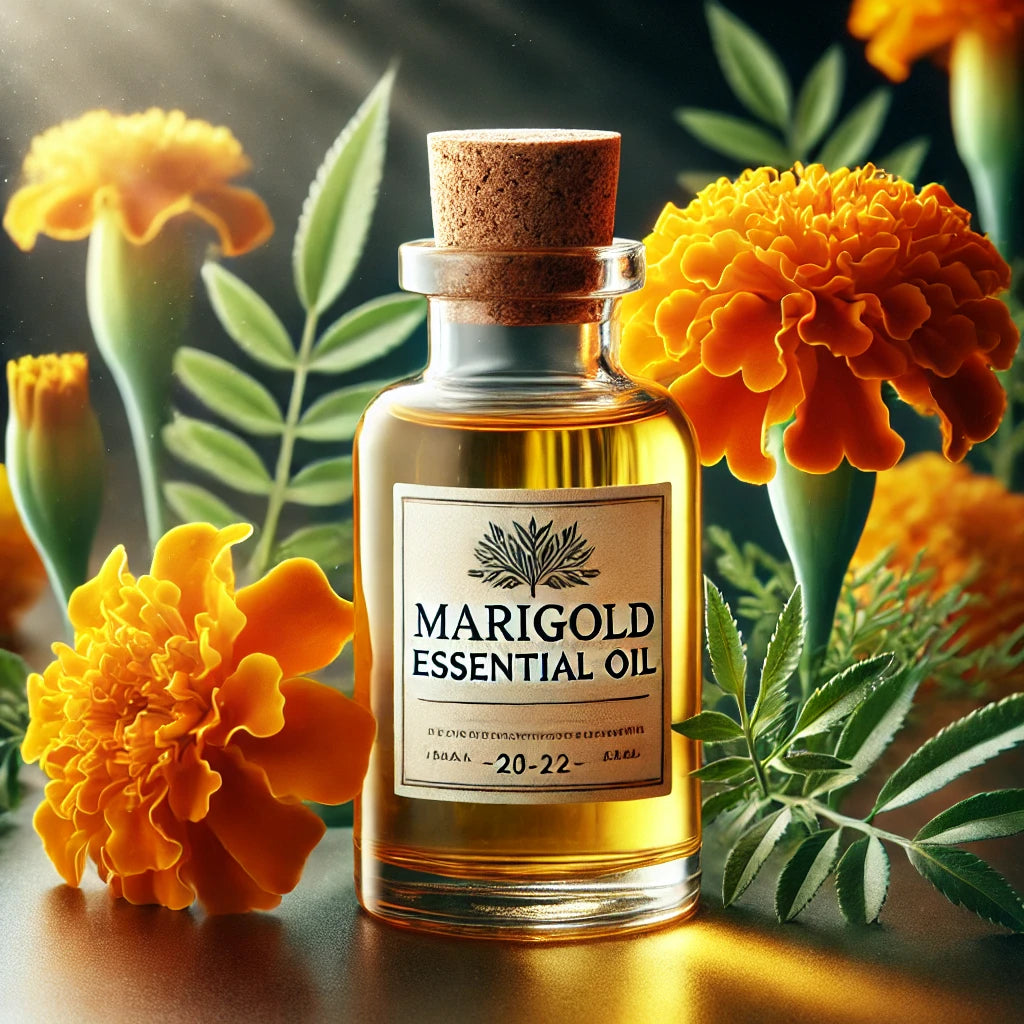
Marigold flower extract powder, which is obtained from the flowers of Tagetes erecta, is being increasingly accepted for its value as a possible health-improving agent in feline health. With high concentrations of natural carotenoids such as lutein and zeaxanthin, flavonoids, and essential oils, this plant extract provides a blend of wellness advantages that can help your cat's eyes, immune system, and overall health.

Eye Health and Vision Support
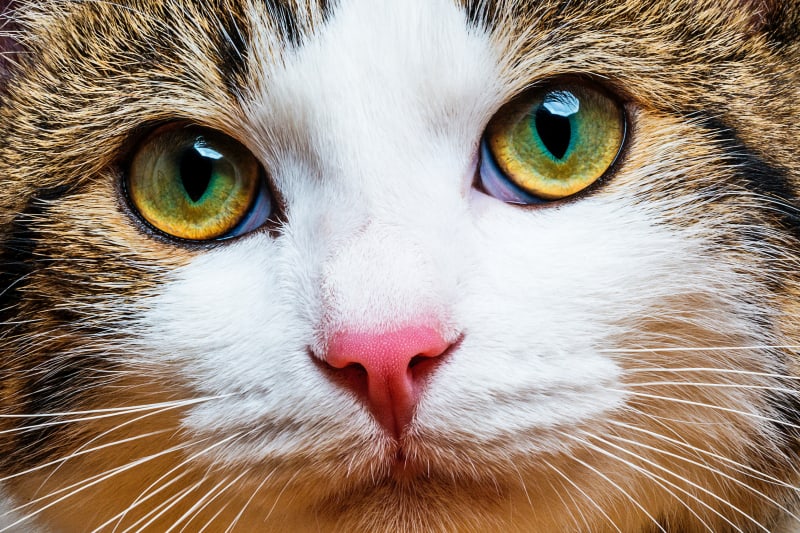
Cats, particularly older cats, are subject to diminished sight and eye fatigue. Marigold extract is one of the best natural forms of lutein and zeaxanthin, carotenoids reserved within the eye's retina and lens. They are antioxidants and filters of light which guard eye tissue against oxidative stress and toxic blue light.
There has been evidence to indicate that lutein and zeaxanthin supplements can preserve retinal function and halt age-related visual loss in animal and human groups as well (Handelman et al., 2001; Milani et al., 2017). In the domestic cat, where naturally occurring lutein is usually lacking in their diets, a flower extract from the marigold flower forms a useful supplement to nutrition.
Antioxidant and Anti-inflammatory Effects
Oxidative stress is among the causes of several of the chronic conditions in the cat, from arthritis to cognitive dysfunction. Antioxidant phytochemicals such as lutein, flavonoids, and saponins found in marigold extract combat free radicals and suppress inflammation in the body.
Companion animal research indicates carotenoids enhance immune response, decrease systemic inflammation, and enhance overall health (Chew & Park, 2004). Marigold extract is specifically beneficial in older cats or cats with inflammatory disease such as IBD or arthritis.
Immune System Support
The immunomodulatory action of marigold flower extract also renders it a great dietary supplement. Experiments have established that lutein increases titers of antibodies and stimulates the activity of lymphocytes, thereby increasing immune surveillance and resistance to infection (Leung et al., 2001).
Adding marigold extract to your cat's daily diet could translate to fewer infections, quicker recovery when sick, and increased resistance to environmental stresses.

Skin and Coat Health
Marigold's anti-inflammatory and antioxidant properties also benefit your cat's coat and skin. Lutein was shown to decrease skin sensitivity and enhance barrier function. This can mean healthier, shinier coats, less hot spots, and less itchies-particularly in sensitive-skinned cats or allergic cats.

Is Marigold Extract Safe for Cats?
Yes, marigold flower extract is safe and cat-nontoxic in safe quantities. It is also used in commercial canine food and supplement products as a natural health additive and coloring agent. But use good quality food-grade marigold extract only and check with your veterinarian about dosage.

Conclusion
Adding marigold flower extract powder to your cat's food is a completely natural and effective way of maintaining feline health. With zeaxanthin, lutein, and other antioxidants, marigold extract provides optimal eye health, immune function, inflammation reduction, and skin and coat health. Ideal for especially older or sensitive cats, this nutritious dietary supplement is a safe and worthwhile addition to a well-nourished feline diet when used as directed. As with all, please speak with your vet first before adding any new supplements to make sure of dosage and whether it will be appropriate for your pet's needs.
References:
Handelman, GJ, et al. (2001). Lutein and zeaxanthin concentrations in plasma and tissues. Investigative Ophthalmology & Visual Science, 42(3), 646–652.
Milani, A., et al. (2017). Carotenoids: biochemistry, pharmacology and treatment. British Journal of Pharmacology, 174(11), 1290–1324.
Chew, BP, & Park, JS (2004). Carotenoid action on the immune response. Journal of Nutrition, 134(1), 257S–261S.
Leung, LK, et al. (2001). Role of lutein in anti-inflammation. Food and Chemical Toxicology, 39(11), 1029–1036.


