


The active compounds in rhubarb extract powder , particularly anthraquinones, tannins, and flavonoids, are believed to contribute to its various beneficial effects in agricultural settings.
Why Agriculture Needs Rhubarb Extract Powder?
Rhubarb extract powder , derived from the roots of the Rheum genus, has garnered significant attention for its potential agricultural uses. Known for its rich bioactive compounds, this natural product has applications ranging from pest management to promoting plant health.

What Are the Agricultural Cases of Rhubarb Extract Powder?
These cases highlight rhubarb extract powder versatile applications in agriculture, focusing on its role as a natural herbicide, fungicide, insecticide, soil enhancer, and stress reliever. Its ability to provide eco-friendly and sustainable solutions for pest management, plant health, and soil fertility makes it an excellent addition to modern agricultural practices, including:
1. Natural Herbicide
- Crops Affected: Vegetables, fruits, and ornamental plants.
- Application: When diluted into a solution, rhubarb extract works as a natural herbicide to control weeds in crop fields. The anthraquinones in the rhubarb extract disrupt the germination process of certain weeds by inhibiting seedling growth.
Example
- Field Use: Farmers apply rhubarb extract to areas with problematic weeds like broadleaf species or grass weeds, especially in organic farming where chemical herbicides are restricted.
- Effectiveness: The herbicide effect is typically stronger on young weeds or seedlings. Spraying it directly onto weed foliage inhibits photosynthesis and growth.
- Benefit: Rhubarb extract can help reduce competition for nutrients and water without harming surrounding crops or the environment, providing a sustainable alternative to chemical herbicides.
:max_bytes(150000):strip_icc()/spraying-garden-weed-killer-getty-0521-2000-eab8e4e5fa0c4f46a5f3d5f6990e5199.jpg?size=405x0 "Rhubarb Extract Powder supplier")
2.Natural Fungicide
- Crops Affected: Grapes, tomatoes, cucumbers, strawberries, and other fruit or vegetable crops susceptible to fungal diseases.
- Application: Rhubarb extract acts as a natural fungicide by preventing the growth and spread of common fungal pathogens like powdery mildew, downy mildew, and gray mold (Botrytis). Its tannins and anthraquinones create a toxic environment for fungal spores and help enhance plant resistance to fungal infection.
Example
- Field Use: Apply diluted rhubarb extract as a foliar spray to crops susceptible to fungal infections, particularly during humid conditions that favor fungal growth. It can be used as a preventive measure or during the early stages of infection.
- Effectiveness: Rhubarb extract inhibits spore germination and prevents the colonization of the plant tissue by fungi. Reapplication may be required during high humidity or after rainfall to maintain protection.
- Benefit: Using rhubarb extract as a fungicide reduces the need for harmful chemical treatments, making it an excellent choice for organic farming systems. It also supports long-term soil health by preventing chemical residue buildup.
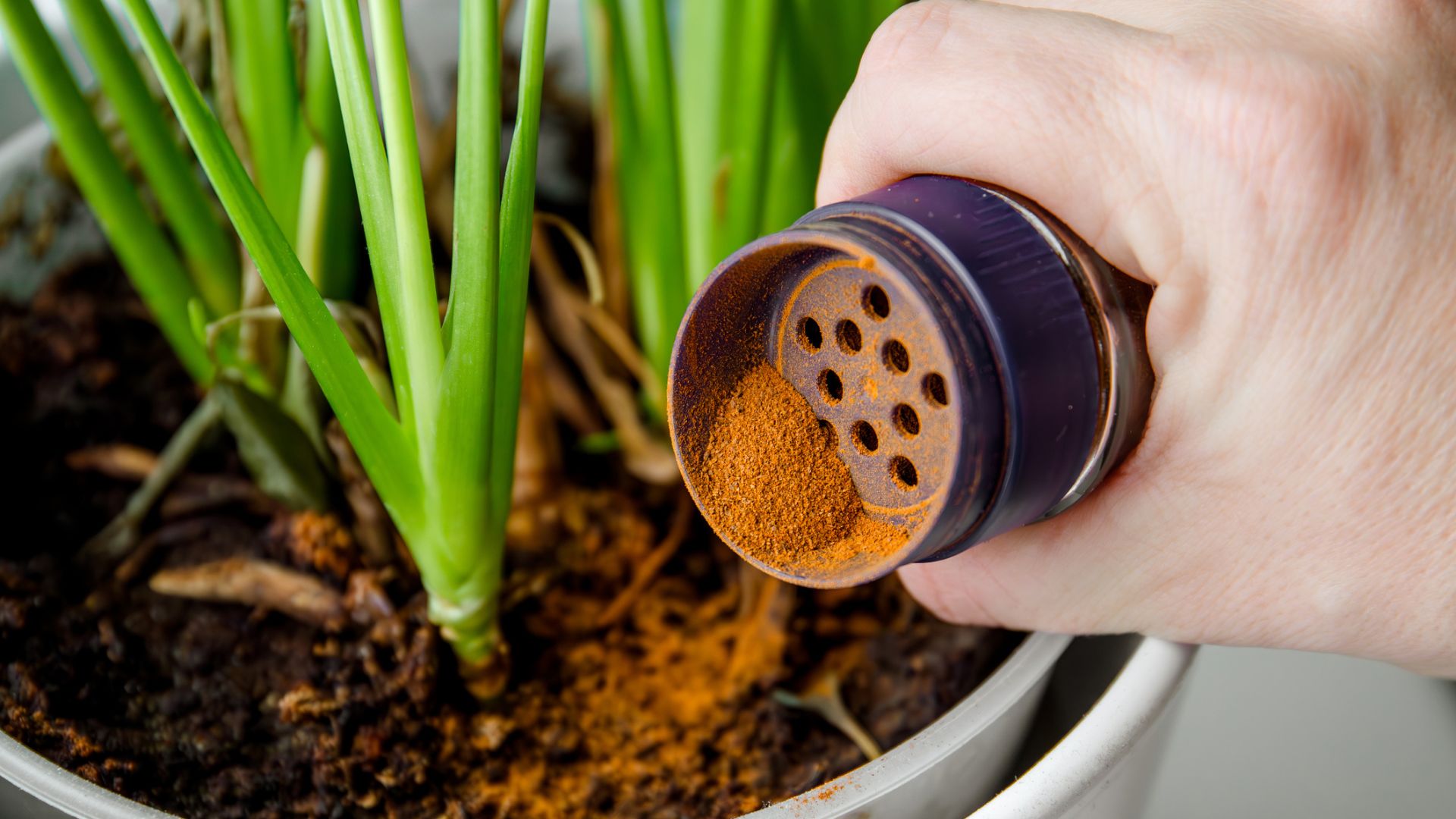
3.Insect Repellent and Insecticide
- Crops Affected: Leafy greens (lettuce, spinach), brassicas (cabbage, broccoli), fruit trees (apple, peach), and many other crops vulnerable to insect pests.
- Application: Rhubarb extract acts as a natural insecticide by repelling or killing common agricultural pests such as aphids, whiteflies, thrips, caterpillars, and beetles. The anthraquinones in rhubarb extract have an insect-repellent action, while other compounds in the extract may disrupt the nervous system of insects, leading to their death.
Example
- Field Use: Farmers can spray a diluted solution of rhubarb extract on crops at risk of insect infestations, such as leafy vegetables and fruit trees. Rhubarb extract is particularly useful in integrated pest management (IPM) systems, where it is part of a broader strategy to reduce pesticide use.
- Effectiveness: The insecticidal properties of rhubarb extract are particularly effective against pests that chew on plants or suck sap. It works by making the plant less palatable to insects, leading them to leave or die after feeding.
- Benefit: As a natural insecticide, rhubarb extract provides a safer, non-toxic alternative to synthetic chemicals, reducing pesticide residues on food crops and protecting beneficial insects like pollinators.

4.Soil Health Improvement
- Crops Affected: All types of crops, especially those growing in stressed or nutrient-deficient soils.
- Application: Rhubarb extract also is a soil conditioner, promoting the growth of beneficial soil microorganisms and improving soil fertility. The extract's organic acids, tannins, and other bioactive compounds stimulate microbial activity in the soil, enhancing nutrient cycling and plant growth.
Example
- Field Use: Diluted rhubarb extract as a pre-plant treatment or as a foliar spray to enhance root development. It works by enriching the soil with beneficial microorganisms that can help plants access nutrients more effectively.
- Effectiveness: The extract can improve soil structure, water retention, and nutrient availability. This leads to healthier, more resilient plants.
- Benefit: Rhubarb extract as a soil enhancer can reduce dependency on synthetic fertilizers, promote soil health, and improve crop yields over time, making it ideal for sustainable farming practices.

5.Plant Stress Relief
- Crops Affected: Crops in drought-prone or temperature-stressed environments (e.g., corn, wheat, rice, and various vegetables).
- Application: Use rhubarb extract to enhance plant resilience to environmental stress, such as drought, high temperatures, or nutrient deficiencies. The antioxidants and other bioactive compounds in rhubarb extract help reduce oxidative stress in plants.
Example:
- Field Use: Spray rhubarb extract on crops experiencing environmental stress, especially in drought-prone areas. It helps plants manage water loss, maintain cell integrity, and improve overall stress resistance.
- Effectiveness: Rhubarb extract helps plants cope with water scarcity by improving their internal hydration and reducing cell damage from dehydration.
- Benefit: By using rhubarb extract to alleviate plant stress, farmers can improve crop survival rates and yields in challenging growing conditions, especially in organic or low-water-use farming systems.

What Is the Recommended Dosage for Agriculture?
The recommended dosage of rhubarb root extract varies depending on the application and the specific agricultural needs. Typically:
- Pest and Disease Control: Dilute 1-2% rhubarb extract powder in water for foliar applications.
- Soil Treatment: Apply a 1-5% solution to the soil, adjusting based on crop type and soil condition.
- Growth Stimulant: Use a 0.5-1% concentration to promote plant growth.
Farmers should consult with agricultural experts to determine the most effective dosage based on their specific crops and environmental conditions.

Is Rhubarb Extract Powder Safe for Agriculture?
Yes, rhubarb extract powder is generally considered safe when used as directed in agricultural applications. However, it is essential to follow proper guidelines for use to ensure that it does not affect non-target species or the environment negatively. The powder is biodegradable and less toxic compared to synthetic chemicals, making it a safer option for integrated pest management and soil enrichment.
Conclusion
Rhubarb extract powder represents a promising natural solution for sustainable agriculture. Its active compounds-such as anthraquinones, tannins, and flavonoids-play key roles in weed suppression, disease prevention, pest control, soil enrichment, and enhancing plant resilience against stress. As farmers seek alternatives to synthetic chemicals, rhubarb extract offers an eco-friendly approach that aligns with organic farming principles and sustainable land management.
From acting as a natural herbicide and fungicide to supporting soil health and improving crop resilience, rhubarb extract powder delivers multiple benefits across diverse agricultural scenarios. When used at appropriate dosages and with proper application methods, it can help farmers reduce chemical inputs, improve crop yields, and maintain healthier ecosystems. As part of integrated pest and soil management strategies, rhubarb extract powder offers a valuable tool for modern, sustainable agriculture.
References
Yang, X., et al. (2019). "Chemical Composition and Bioactivity of Rhubarb (Rheum spp.): A Review." Phytotherapy Research, 33(4), 748–769. https://doi.org/10.1002/ptr.6283
Qian, Y., et al. (2020). "Plant-Derived Natural Pesticides for Pest Management: Recent Advances." Agriculture, 10(11), 532. https://doi.org/10.3390/agriculture10110532
Zhang, Q., et al. (2017). "Effects of Rhubarb Extract on Soil Microbial Communities and Plant Growth." Journal of Environmental Management, 197, 644–652.
National Institute of Agricultural Botany (NIAB). (2021). Natural Biocontrol Agents in Crop Protection.
Liu, C., & Yu, H. (2018). "Eco-Friendly Herbicides: The Potential Role of Plant Extracts." Environmental Science and Pollution Research, 25(36), 36370–36383.
Organic Materials Review Institute (OMRI). (2022). Approved Natural Inputs for Organic Crop Production .


