


The cattle industry is changing in a way. People who raise cattle are dealing with a lot of issues. They have to pay more for food for the cattle. They also have to follow a lot of rules.. People who buy beef and dairy products want to know that they are made in a good way. So the cattle industry is looking at how they feed their cattle.
They want to make sure the cattle are healthy and can keep producing for a time. The cattle industry wants to do all of this in a way that is good for the cattle and the earth. This is what the cattle industry needs to do to be successful. The cattle industry has to think about more, than producing a lot of beef and dairy products. The cattle industry has to think about how to make the cattle food go further and how to keep the cattle healthy.
Against this backdrop, policosanol, especially its most active component triacontanol, is gaining attention as a promising functional ingredient in cattle nutrition. Once associated mainly with plant science and human wellness, policosanol is now being explored for its potential to support metabolic efficiency, growth performance, and overall herd health.
Changing Priorities in Modern Cattle Nutrition
People used to feed cattle in a way that was not very good, for them. They would give them antibiotics, hormones or other things to make them grow faster.. Now the cattle industry is doing things differently and is focused on:
- Reducing reliance on antibiotics
- Improving feed conversion efficiency
- Supporting animal welfare and longevity
- Meeting clean-label and regulatory requirements
- Lowering environmental impact
People really want to use things to help animals grow strong. They do not want to use things with hormones in them. This is why people are looking for feed additives that're natural and do not have hormones. Policosanol is a choice, for this because it helps animals from the inside.
What Is Policosanol (Triacontanol)?
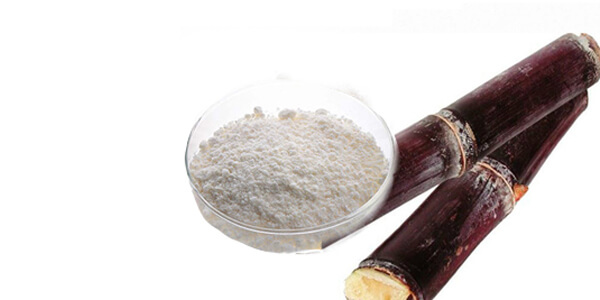
Policosanol is a mixture that comes from plants. It is made up of chain fatty alcohols that are found in the wax of plants. You can get Policosanol from the wax of sugarcane and rice bran. The thing that makes Policosanol work is something called triacontanol. This is the part of Policosanol that's most active, in our bodies. Policosanol has this component that is very important and that is triacontanol.
Policosanol does not force the cattle to grow or eat a lot of food. Instead policosanol helps the processes that happen in the body of the cattle. This is a way of working and it is one of the main reasons why people who take care of cattle are interested in policosanol for cattle nutrition. Policosanol supports the natural metabolic processes and the physiological processes of the cattle. This is why policosanol is getting popular for use, in cattle nutrition.

There are some reasons why Policosanol is getting a lot of attention.
1. Focus on Feed Efficiency Rather Than Feed Intake
Feed costs are a big deal when it comes to raising cattle. They are the expense. Policosanol is getting a lot of attention now because it is good, for cattle:
- Utilize nutrients more efficiently
- Improve feed conversion ratios
- Achieve better performance without increased feed intake
Policosanol helps to make use of nutrients. This is good for saving money and being kind to the environment. Policosanol is, about using nutrients in a smarter way, which is what companies want when they think about cost control and sustainability goals. Policosanol really supports these goals.
2. Supporting Metabolic Health in High-Performing Cattle
Cattle like those dairy cows that produce a lot of milk and beef cattle that grow fast need a lot of energy to stay healthy. Policosanol helps with this by supporting:
- Balanced energy metabolism
- Reduced metabolic stress
- Improved nutrient partitioning
This support is particularly valuable during high-demand periods such as growth, lactation, and finishing.
3. Compatibility With Natural and Antibiotic-Free Programs
As more producers move toward free and hormone free systems, policosanol offers a natural alternative. It is an alternative that producers are looking at because policosanol is a natural option.
- Producers, like policosanol
- Policosaol is a way to do things
Policosanol is what producers want to use now because it is natural and it is what people want. Producers want to use policosanol in their systems because policosanol's a good choice.
- Plant-derived
- Non-antibiotic
- Non-hormonal
This makes it a good choice, for farms that raise cattle in a way like organic farms or farms that really care about the welfare of their cattle.
4. Supporting Both Health and Productivity
Policosanol is getting a lot of attention because it helps with both parts of the productivity equation: it deals with Policosanol and how Policosanol can make things better. People are looking at Policosanol to see how it can improve the way things are done and Policosanol is becoming popular for this reason.
- Health: Supporting metabolism, body condition, and resilience
- Productivity: Improving growth efficiency and milk performance
Cows that are healthier will give you milk and things, like that. Policosanol is something that helps make this happen in a way. Healthier cows are really important and policosanol supports the idea that healthier cowsre more productive.

Benefits Across Beef and Dairy Production
Beef Cattle
When it comes to raising beef we want to make sure the cattle grow well and stay healthy. Policosanol is really good, for beef cattle because it does a few things for them.
Policosanol helps the beef cattle in ways, including
Policosanol supports beef cattle by:
- Encouraging steady, efficient weight gain
- Supporting lean muscle development
- Improving feed conversion efficiency
These benefits help to get a quality carcass and more money back. The benefits of this really do make a difference, to the carcass quality and the economic returns that you get from it. The carcass quality is better. The economic returns are also better because of these benefits.
Dairy Cows
For dairy operations you have to make sure that the cows are productive. You also have to think about how long they will live. Policosanol may help support:
- Energy availability for milk synthesis
- Body condition maintenance during lactation
- Reduced metabolic strain in high-producing cows
This way of doing things helps cows give an amount of milk and also have healthy babies. The balanced approach is good, for the cows because it supports milk yield and also good reproductive performance of the cows.
A Gentle, Long-Term Approach to Performance
One reason policosanol is special is the way it works. It does not force animals hard it helps them by supporting:
- Natural biological efficiency
- Stable, long-term performance
- Reduced risk of metabolic imbalance
This makes the food good for cattle to eat every day for a time. The cattle diets can include this food for a time because it is suitable, for them.
Clean-Label and Sustainability Appeal
People really want to know how their food is made. Policosanol is a supporter of being open and honest, about how things are done and also of being sustainable because Policosanol is:
- Derived from renewable plant sources
- Used at low inclusion levels
- Aligned with environmentally responsible feeding practices
This is really good, for producers and brands because it gives them marketing power and helps them follow the rules. The marketing and regulatory value that producers and brands get is very important.

Safety and Practical Use in Cattle Nutrition
People are starting to notice Policosanol. This is partly because Policosanol has a safety record. It:
- Comes from edible plant materials
- Is compatible with standard cattle diets
- Can be used across different production stages
When you use this stuff in a way and make sure the animals are eating a balanced diet it helps them do their job well without making them sick. This thing is good, for the animals when you give it to them in the amount and they are eating other good food too.

The industry stakeholders have an impact on the industry.
So it makes sense that people, in the industry are paying attention to the industry stakeholders.
People who study food and nutrition companies that make animal feed and farmers are looking more at policosanol because it:
- Supports efficiency rather than excess
- Fits modern regulatory and consumer expectations
- Enhances performance naturally
At HJ AGRIFEED people are getting more and more interested in policosanol. This is because there is a change happening in the way we think about cattle nutrition. Now we want cattle nutrition that's good for the health of the cattle. So policosanol is becoming a part of this way of thinking about cattle nutrition, which is all, about keeping the cattle healthy and strong.

The Future of Policosanol in Cattle Nutrition
The cattle industry is changing the way it does things. It is moving towards ways to prevent problems and make things more efficient. The cattle industry is using nutrition to do this. Ingredients like policosanol will be used more and more. Policosanol helps the health of the cattle. It helps the cattle eat their food more efficiently. This means the cattle are more productive. So policosanol is a thing for people who feed cattle to know about. It will be important, for the way cattle are fed in the future. The cattle industry will use policosanol to support the metabolic health of cattle and to make sure cattle are fed efficiently and are productive. Policosanol will play a role in this.

Final Thoughts
Policosanol, which is also known as Triacontanol is getting a lot of attention from people who take care of cattle. This is because Policosanol does what the cattle industry needs now. It helps cattle in a way makes their food go further and keeps them healthy. People in the cattle industry like Policosanol because it supports the health of cattle naturally. Policosanol is also good for making sure cattle get the most out of their food, which's important for the cattle industry. Overall Policosanol is helpful for cattle. That is why it is popular, in the cattle industry.
By working with the cow's natural metabolism rather than against it, policosanol offers a sustainable path forward for beef and dairy producers alike-supporting productivity, animal welfare, and long-term success in modern cattle production.


