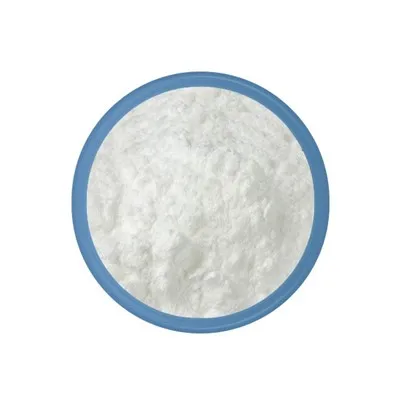
In animal nutrition, glucose powder is a valuable source of energy that acts fast. Whether you have a poultry farm, are feeding beef cattle, or producing pet food, glucose powder is at times used to help animals overcome stress, maintain energy when they are under the weather, or enable rapid growth and activity. But not all glucose powders are created equal-and supplier quality comes in here.
So, why does the quality of glucose powder suppliers matter for animal health and performance? In this article, we'll explore what glucose powder does for animals, how it's used, and why choosing a reliable supplier ensures safety, consistency, and optimal results.
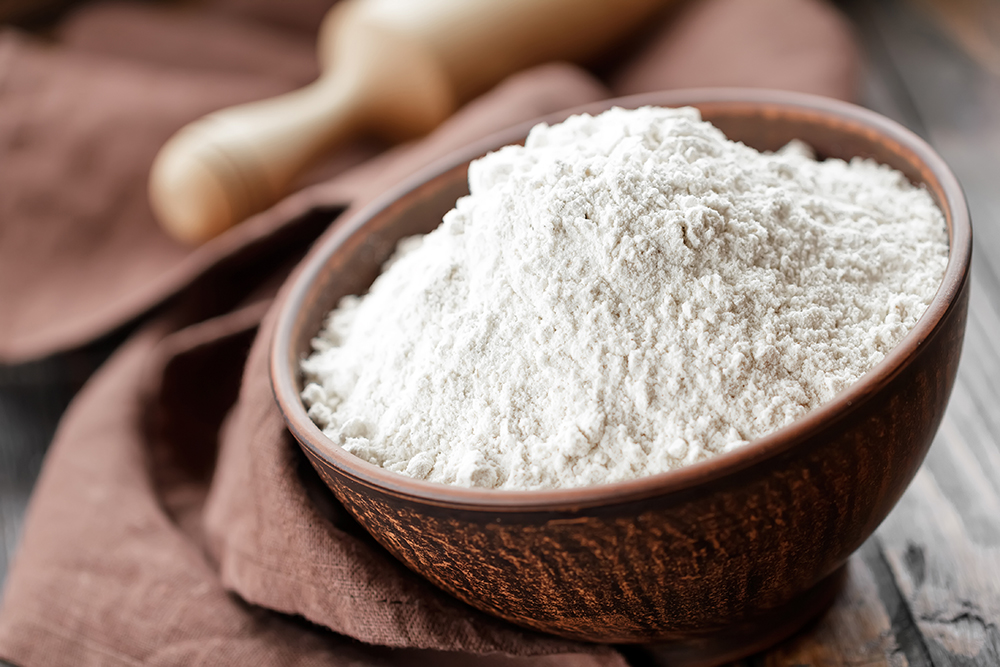
What Is Glucose Powder and Why Is It Used in Animal Feed?
Glucose powder or dextrose monohydrate is a highly digestible sugar made predominantly from corn starch. It's a readily digested carbohydrate that quickly goes into the bloodstream and releases quick energy.
Key Roles in Animal Nutrition:
- Sustains energy metabolism, especially stress or disease
- Enhances palatability of feed and additives for livestock and poultry
- Aids recovery from infection or dehydration
- Aids weight gain and feed conversion for young stock
- Often incorporated into oral rehydration salts for livestock and poultry
Glucose powder is especially valuable in critical life stages such as:
- Transitions at post-hatch or weaning
- Heat stress in swine and poultry
- Postpartum recovery in beef cattle
- Surgical or disease recovery in pets

Why Supplier Quality Matters
1. Purity and Control of Contamination
Low-quality or poorly processed glucose powder may contain:
- Heavy metals (lead, cadmium)
- Mycotoxins from moldy starch
- Microbial contamination (yeast or bacteria)
- Impurities in the form of unconverted starch or other sugars
These contaminants can potentially cause:
- Digestive upset
- Toxicity and immune suppression
- Poor palatability leading to feed refusal.
Reputable suppliers follow GMP (Good Manufacturing Practice), HACCP, and ISO standards to ensure glucose powder is free from contaminants and safe to be consumed by animals.
2. Constant Particle Size and Solubility
High-quality glucose powder should:
- Dispose off completely and quickly in water
- Be free-flowing and non-caking
- Be of uniform particle size for easy mixing
Irregular solubility distribution can lead to:
- Blocked dosing or drinkers systems
- Variable distribution in feed or liquids
- Reduced efficiency in rehydration or electrolyte mixtures
Quality suppliers use advanced drying and milling facilities to provide consistent particle size and solubility, making convenient use possible for farmers and feed producers.
3. Inspected Nutritional Content
High-quality glucose powder must meet usual specifications:
- ≥99% D-glucose (dry basis)
- Less than 9% moisture level
- Trace levels of ash, sulfates, and starch residues
- No foreign odor or discoloration
Quality suppliers provide Certificates of Analysis (COA) for every batch, confirming:
- Sugar purity
- Microbial testing results
- Heavy metals levels
- Bulk density and moisture
This ensures that your pets receive exactly what they need-nothing more, nothing less.
4. Storage, Shelf Life, and Delivery
Poor storage or packaging results in:
- Moisture absorption with caking or fermentation
- Reduced shelf life
- Mold growth or browning of sugar (Maillard reaction)
Quality suppliers:
- Seal glucose powder in airtight moisture-proof containers (usually 25 kg)
- Offer shelf life assurance (12–24 months)
- Provide speedy and safe delivery under clean, food-grade conditions
For animal producers operating on a scale basis, timely delivery and secure stock are critical-particularly during heat stress or animal disease.

Species-Specific Use of Glucose Powder
Poultry
- Chicks after hatch: Supplies rapid energy within the first 24–48 hours
- Heat stress: With electrolytes to counter dehydration
- Recovery from diseases: Mixed with water to replenish energy levels
Dosage: 5–10 g/L in drinking water
Swine
- Weaning piglets: Prevents weaning shock and promotes gut well-being
- Sick or stressed pigs: Supplement to oral rehydration solutions
- Sows following farrowing: Repays glucose used during labor
Dosage: 20–50 g/day in food or water (according to age and size)
Livestock (Cattle, Goats, Sheep)
- Dairy cows: Maintains energy balance following calving
- Newborn calves: Designed into milk replacers or electrolytes
- Weak or ill animals: Provides energy without gastrointestinal burden
Dosage: 30–60 g per head per day or as oral rehydration salts
Pets
- Sick, stressed, or post-surgery pets: Rapid energy supplementation
- Puppies/kittens: Promotes growth and energy in milk replacers
- Utilized in high-energy treats and oral supplements
Dosage: According to body weight and veterinarian prescription

How to Select a High-Quality Glucose Powder Supplier
When purchasing glucose powder for livestock, pets, or poultry, seek:
| ✅ Feature | 🔍 What to Check |
|---|---|
| GMP/ISO Certification | Indicates clean, controlled manufacturing |
| COA Provided | Verifies nutrient levels, safety, and purity |
| Moisture-Resistant Packaging | Prevents spoilage and clumping |
| Technical Support | Helps with dosing, blending, and storage |
| Industry Experience | Look for suppliers with animal nutrition expertise |
| Competitive Pricing | Reasonable cost without compromising safety |
Bonus Tip: Get suppliers who can custom-blend glucose with electrolytes, vitamins, or amino acids for species-specific formulations.

Conclusion
Glucose powder is a critical source of energy in animal feed-but purity has a direct influence on the health and performance of your animals. Operating large poultry farms or creating sensitive pet formulas, purchasing from qualified glucose powder suppliers ensures purity, digestibility, and consistent results.
Don't compromise when energy, growth, and recovery in your animals are involved. Choose experienced suppliers that prioritize purity, safety, and performance.
References
National Research Council (NRC). (2021). Nutrient Requirements of Swine, Poultry, and Companion Animals.
FAO. (2023). Energy Supplementation and Stress Management in Livestock Production.
Zhang, Y. et al. (2020). Use of glucose in oral rehydration therapy for piglets. Journal of Animal Physiology and Animal Nutrition, 104(5), 1234–1240.
Singh, P. (2019). Glucose utilization and energy metabolism in young chicks. Poultry Science Journal, 98(4), 1741–1747.