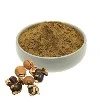
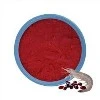
Eggs remain the most widely consumed animal food because of their rich content of protein, essential amino acids, vitamins, and minerals. In addition to their nutrition, the quality and appearance of eggs, particularly yolk color and freshness, play a crucial role in consumer acceptability and market price. Over the years, natural feed additives are gradually gaining significance in supporting egg quality and poultry health and sustainability. Among them, astaxanthin, an extremely potent natural carotenoid, has continued to be of significant interest.
In this blog, the reasons for the use of astaxanthin in poultry nutrition, its benefits in egg quality, and the technology behind its application in the poultry industry are talked about.
What Is Astaxanthin?
Astaxanthin is a red-orange natural carotenoid pigment found in microalgae (Haematococcus pluvialis), yeast, krill, and certain crustaceans such as shrimp and lobster. Astaxanthin is better known for pigmentation of salmon and flamingos reddish-pink. Astaxanthin stands apart from synthetic pigments, which are devoid of antioxidant and bioactive properties but are excellent health-promoting agents.
For birds, astaxanthin is being incorporated into feed blends as natural astaxanthin powder (naturally microalga) or through krill-sourced products. Since it possesses the dual benefit of being a functional nutrient and a natural pigment, it proves extremely beneficial to enhance egg quality.
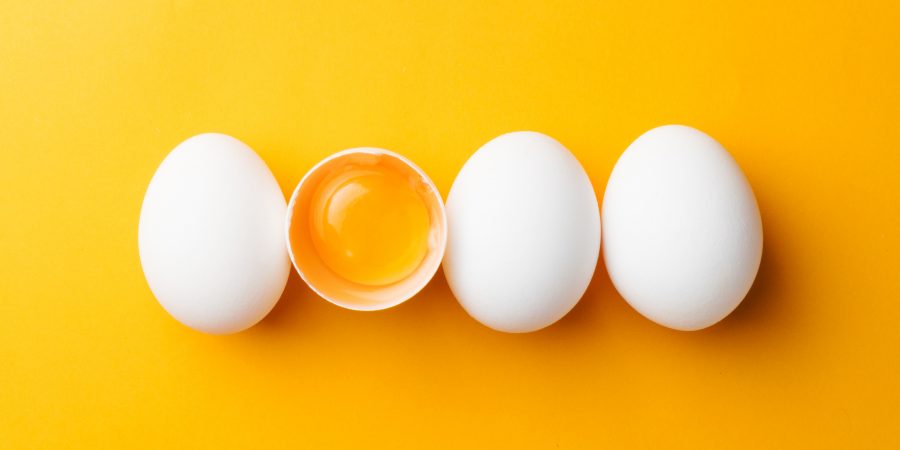
Why Astaxanthin Enhances Egg Quality
1. Enhances Egg Yolk Pigmentation
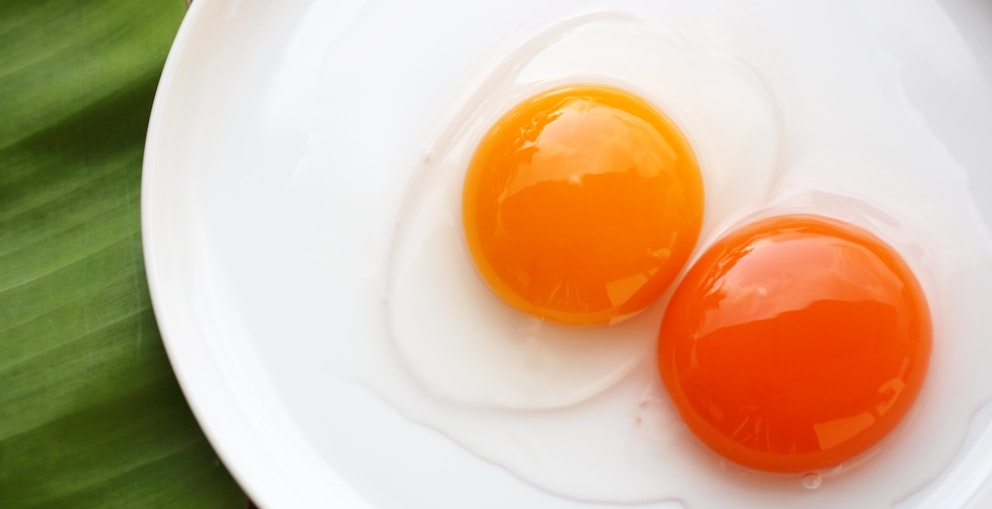
Its most noticeable effect is yolk coloration. Shoppers desire to think that rich, golden-orange yolks are proof of freshness, quality, and higher nutrition.
Science proves that supplementing laying hens with astaxanthin-rich microalgae or krill meal produces a more intense yolk color compared to synthetic pigments.
Compared to synthetic additives, astaxanthin presents a consumer-acceptable natural source of colouring, meeting consumers' growing demand for clean-label chicken products.
2. Improves Egg Nutritional Profile
- Astaxanthin enriches eggs with increased antioxidant activity. This improves the nutritional value of the eggs to human nutrition.
- Astaxanthin-enriched eggs may contain higher antioxidants, and this increases consumers' health benefit.
- Research indicates that astaxanthin may be applied for the improvement of omega-3 fatty acid stability in eggs and for rendering them nutritionally richer.
3. Keeps Eggs Fresh and Longer Shelf Life
Oxidation plays an important role in affecting the quality and shelf life of eggs. Astaxanthin, as a strong antioxidant, helps to:
- Prevent egg lipids from oxidative breakdown.
- Retention of egg freshness on storage.
- Prevention of rancidity and loss of quality, particularly in eggs stored for extended periods.
4. Improves Laying Hen Health and Production
Hens' health affects the quality of eggs directly. Astaxanthin supports maintaining enhanced hen health by:
- Reducing oxidative stress in hens, which generally improves reproduction performance.
- Immunoenhancement, leading to healthier birds and normal egg production.
- Eye and skin health supplementation, improving long-term productivity of flocks.
5. Natural Alternative to Synthetic Pigments
Traditional yolk coloration relies on artificial carotenoids, presently declining in popularity with health-conscious consumers. Astaxanthin provides:
- A healthy, natural alternative with greater health benefits.
- One means through which producers can market better-quality eggs on the market by marketing them as enriched with natural antioxidant antioxidants.

Scientific Evidence Supporting Addition of Astaxanthin to Poultry
Numerous studies have demonstrated the benefits of supplementing poultry diets with astaxanthin:
Yolk color: In one investigation, which was published in Poultry Science, astaxanthin-supplemented hens showed more intense yolk color compared to nonsupplemented hens.
- Egg antioxidant levels: Studies in the Journal of Agricultural and Food Chemistry discovered that eggs containing astaxanthin supplements had higher antioxidant levels, making them have improved shelf life and nutrition.
- Hen health and performance: Hens fed astaxanthin-enriched diets performed better with higher feed conversion, indicators of oxidative stress were lower, and egg production rates were unaffected.
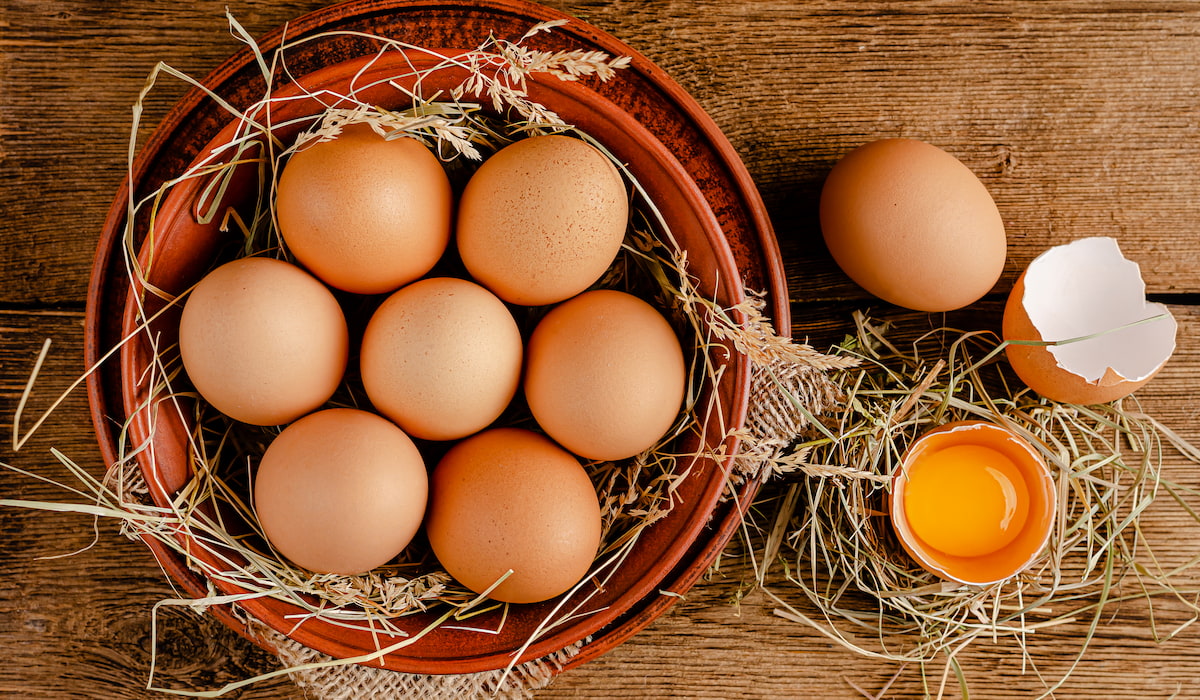
Market Benefits to Egg Producers
A series of economic and consumer advantages are presented to egg producers by feeding astaxanthin:
- Premium Positioning: Naturally astaxanthin-enriched eggs may be marketed as premium, functional foods for improved human health.
- Consumer Appeal: Colorful yolk hues generate consumer preference and repurchase.
- Sustainability Benefit: Algal or krill-derived natural astaxanthin aligns with growing consumer interest in green, sustainable poultry production.
- Value-Added Products: Eggs marketed as antioxidant-enriched or "enriched eggs" can penetrate niche segments of consumers interested in health.

Use of Astaxanthin in Poultry Feed
- Source: Conventionally supplied as natural astaxanthin powder of Haematococcus pluvialis algae or as part of krill meal.
- Dosage: The best doses vary but usually 20–60 mg of astaxanthin per kg feed according to desired yolk coloration and antioxidant activity.
- Formulation: Astaxanthin has to be formulated with care to remain stable, and is generally protected by microencapsulation to prevent degradation.

Conclusion
Astaxanthin is not just a pigment-it's a highly effective natural antioxidant that colors egg yolks, improves nutritional quality, improves freshness, and maintains hen health. As demand for natural, functional, high-quality eggs continues to grow, astaxanthin offers a science-based, green answer to the chicken producer.
References
Akiba, Y., & Sato, K. (2022). Dietary supplementation of natural astaxanthin improves egg yolk pigmentation and antioxidant capacity in laying hens. Poultry Science, 101(9), 101833. https://doi.org/10.1016/j.psj.2022.101833
Higuera-Ciapara, I., Félix-Valenzuela, L., & Goycoolea, F. M. (2006). Astaxanthin: A review of its chemistry and applications. Critical Reviews in Food Science and Nutrition, 46(2), 185–196. https://doi.org/10.1080/10408690590957188
Kralik, Z., Kralik, G., Grčević, M., & Hanžek, D. (2021). Enrichment of eggs with functional nutrients. Poultry Science, 100(4), 100975. https://doi.org/10.1016/j.psj.2021.100975
Nys, Y., & Guyot, N. (2011). Egg formation and chemistry. In Nys, Y., Bain, M., & Van Immerseel, F. (Eds.), Improving the safety and quality of eggs and egg products (pp. 83–132). Woodhead Publishing. https://doi.org/10.1533/9780857093912.1.83
Sun, T., Yuan, H., Cao, H., Yazawa, K., & Chen, F. (2012). Astaxanthin-enriched eggs: Nutritional value, stability, and enhancement of yolk color. Journal of Agricultural and Food Chemistry, 60(33), 8692–8697. https://doi.org/10.1021/jf302532d