Safe and efficient natural feed additives are always in demand by modern animal nutrition. With increasing consumer demands for clean label, antibiotic-free animal products continually arising, increasingly manufacturers opt for the use of natural plant extracts to enhance animal health, performance, and feeding quality. Most efficient among them is Mediterranean herb Rosmarinus officinalis's rosemary extract powder. Famous for being used in cooking, rosemary also possesses strong antioxidant and digestive abilities that make it an ideal animal feed supplement. This blog examines the benefits of rosemary extract powder, its effect, and where and how it should be added to animal food.

Understanding Rosemary Extract Powder
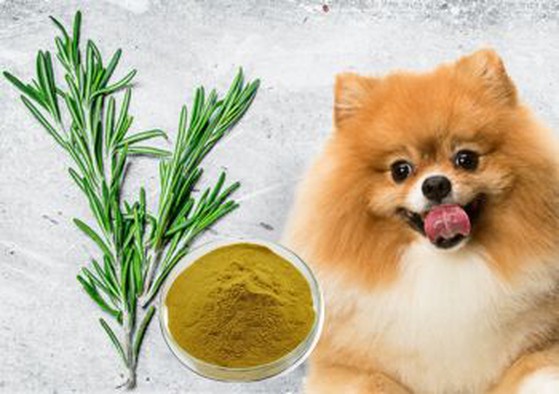
Rosemary extract powder is a by-product resulting from processing rosemary leaves to condense their bioactive substances. The most important among them are:
- Carnosic acid
- Carnosol
- Rosmarinic acid
- Ursolic acid
They are the principal determinants of rosemary's health-promoting activity, e.g., its antioxidant, antimicrobial, and anti-inflammatory activities.
Antioxidant Benefits
Among the primary use reasons of rosemary extract powder in animal nutrition is antioxidant activity. Oxidative stress in animal agriculture is a major challenge because it can threaten growth, immunity, and health. Stress from excessive growth rates, stress from the environment, and high-energy feeding has been reported to increase free radicals formation-some unstable chemicals that kill cells and tissue.
Rosemary antioxidants scavenge free radicals such as these and preserve the integrity of cell membranes, proteins, and DNA. This has the following important implications of many kinds:
- Improved feeds quality: Rosemary extract prevents oxidation of fats and oils in feeds that otherwise leads to rancidification, loss of palatability, and loss of nutrients.
- Enhanced meat quality: Antioxidants from rosemary extract add stability and shelf life to meat products by preventing lipid oxidation, thus adding color, flavor, and nutrition.
- Enhanced immune function: Prevention of oxidative stress, rosemary extract supports immune function and allows animals to be resistant to disease and infection.

Gastrointestinal Support
Aside from its antioxidant effect, rosemary extract powder aids gastrointestinal function in the following ways:
- Antimicrobial Activity: Antioxidants within rosemary extract act to retard or inhibit the growth of harmful bacteria such as E. coli and Salmonella but have no effect on beneficial gut microbiota. Healthy gut microbiota needs to be maintained to an optimal level for maximizing the utilization of nutrients and immunity.
- Stimulation of Digestive Enzyme Secretion: Stimulation of digestive enzyme secretion like lipase, amylase, and protease by rosemary extract is revealed, increasing digestibility and nutrient utilization of feeds.
- Anti-inflammatory Action: Gut inflammation caused by pathogens or food stress most frequently may interfere with the digestion and development of nutrients. Rosemary's anti-inflammatory flavonoids such as rosmarinic acid soothe the lining of the gut, creating a healthier gut with reduced gastrointestinal disease risks.

Other Advantages
- Natural Preservative: Rosemary extract has widespread use as a natural preservative for animal feed. By inhibiting fat oxidation, it preserves the quality of the ingredients in the feed and keeps them from becoming rancid without the addition of artificial additives.
- Palatability: Aromatic oil of Rosemary serves the purpose of improving the palatability of the feed so that the animals consume more and thereby cause growth and productivity.
- Synergism with Other Feed Additives: Rosemary extract is synergistic with other natural additives like essential oils, organic acids, and probiotics and offers a multi-modal mechanism to animal health.
Applications in Animal Nutrition
Rosemary extract powder is versatile and can be used in many animal species:
- Poultry: Rosemary extract was reported to improve meat quality, to prevent oxidative stress, and to improve the gut health of broilers and layers.
- Swine: In swine, rosemary extract is used to enhance feed intake, antioxidant status, and reduce gastrointestinal distress.
- Ruminants: Though less documented, rosemary extract may be used in cattle, sheep, and goat rumen performance and oxidation stability.
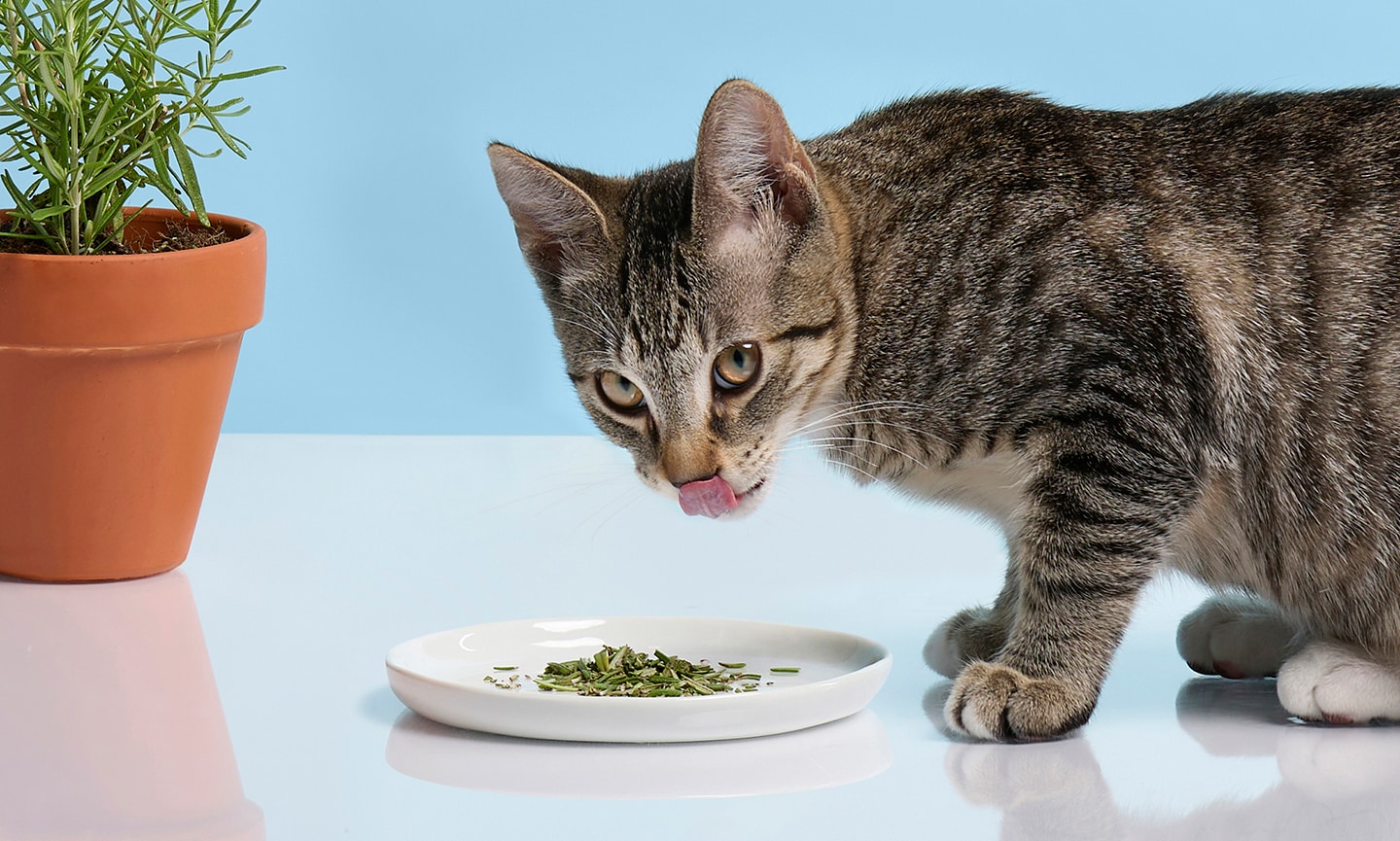
- Companion Animals: Used as a flavoring agent and antioxidant, rosemary extract is used in companion animal pet foods.

Recommended Inclusion Rates
Typical inclusion levels of rosemary extract powder vary with the animal species, feed type, and desired application. Standard recommended inclusion levels should range from 0.05% to 0.5% of total feed weight. The manufacturer's recommendation should be used, and consultation with an experienced nutritionist or veterinarian prior to use should be obtained because excessive inclusion levels can affect feed flavor and palatability.

Safety and Considerations
Rosemary extract is non-toxic at normal doses. Avoid over-dosing to prevent interference with feed palatability or with some medication. Rosemary extract powder needs a good quality supplier that can guarantee consistent quality and standardized amount of active ingredients.

Conclusion
Rosemary extract powder is an appropriate ingredient of next-generation animal feed that offers a natural and economic solution for antioxidant status improvement, gastrointestinal health, and feed quality. The wide range of bioactive rosemary extract powder ingredients makes the product a one-stop-shop for improving animal performance and product quality in swine, poultry, ruminants, and companion animals. By using rosemary extract in their products, companies can cater to consumers' desires for natural products as well as assist in keeping healthier, stronger animals.
References
Nieto, G. (2020). Biological activities of rosemary (Rosmarinus officinalis) extracts: From antioxidant to health-promoting properties. Nutrients, 12(1), 1-21.
Zhang, Y., et al. (2010). Effect of dietary supplementation of rosemary extract on the growth performance, immune response, and antioxidant status in broilers. British Poultry Science, 51(5), 592–599.
López-Bote, C. J., et al. (1998). Effect of dietary rosemary extract on lamb performance and oxidative stability of muscle tissue. Meat Science, 50(4), 373–380.
Yang, R., et al. (2016). Rosemary extract as a potential natural antioxidant and antimicrobial in food. Food Control, 60, 14–21.
Botsoglou, N. A., et al. (2004). Effect of dietary rosemary and α-tocopheryl acetate on performance of broilers and oxidative stability of meat. Archives of Animal Nutrition, 58(3), 209-218.