In modern animal nutrition, feed additives play a crucial role in improving health, growth, and overall performance. Yeast cell wall (YCW) powder has gained significant attention as a natural and effective feed additive for livestock, poultry, and aquaculture. This product enhances immune function, promotes gut health, and improves feed efficiency, making it an essential component of high-quality animal feed. This article explores the benefits, applications, and scientific basis of yeast cell wall powder in feed additives.

Understanding Yeast Cell Wall Powder
Yeast cell wall powder is derived from the outer layer of Saccharomyces cerevisiae yeast cells, which contain bioactive compounds beneficial for animal health. The primary components of YCW powder include:
Mannan Oligosaccharides (MOS): These function as prebiotics, promoting beneficial gut bacteria and improving intestinal health.
Beta-Glucans: Known for their immune-modulating properties, beta-glucans enhance disease resistance in animals.
Chitin and Proteins: These contribute to gut barrier integrity and overall digestive function.
The production of yeast cell wall powder involves the following steps:
Fermentation: Saccharomyces cerevisiae yeast is cultivated under controlled conditions.
Cell Wall Separation: The yeast cells are processed to remove intracellular components, isolating the outer cell wall.
Purification and Drying: The extracted cell walls are purified and dried into a fine powder, ensuring consistency and potency.

Health Benefits of Yeast Cell Wall Powder in Animal Feed
The inclusion of yeast cell wall powder in animal diets provides a range of health benefits, improving both productivity and sustainability in animal farming:
Enhanced Immune Function: Beta-glucans in YCW powder stimulate immune cells, increasing resistance to infections and reducing the need for antibiotics.
- Improved Gut Health: MOS promotes beneficial gut microflora, reducing harmful bacteria like Salmonella and E. coli.
- Mycotoxin Binding Properties: YCW can adsorb and neutralize mycotoxins in feed, preventing toxin-related health issues.
- Better Growth Performance: By supporting digestion and nutrient absorption, YCW contributes to improved weight gain and feed conversion ratios.
- Stress and Disease Resistance: Animals supplemented with YCW show better resilience to stress, environmental changes, and pathogenic challenges.

Applications of Yeast Cell Wall Powder in Different Animal Species
Yeast cell wall powder is a versatile additive suitable for various animal species, including:
- Poultry: Enhances gut health, reduces mortality rates, and improves feed efficiency in broilers and layers.
- Swine: Reduces post-weaning diarrhea, boosts immune response, and supports growth.
- Cattle and Dairy Animals: Promotes rumen health, increases milk yield, and enhances overall productivity.
- Aquaculture (Fish & Shrimp): Improves disease resistance and survival rates in fish and shrimp farming.
- Pet Food (Dogs & Cats): Supports digestion, enhances immunity, and improves coat quality.
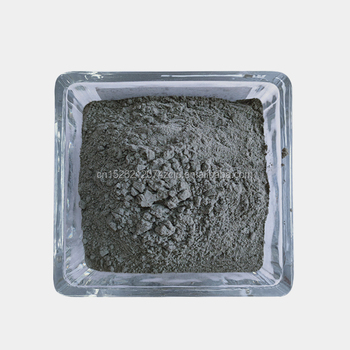
How to Incorporate Yeast Cell Wall Powder in Feed Additives
To maximize the benefits of yeast cell wall powder, proper incorporation into feed formulations is essential:
- Dosage Guidelines: The optimal inclusion rate depends on animal species and production goals. Consulting a feed specialist is recommended.
- Feed Blending: YCW powder can be mixed with other feed ingredients for even distribution.
- Pellet and Mash Feeds: Suitable for both pelleted and mash feed formulations, ensuring ease of use.
- Combination with Other Additives: Can be used alongside probiotics, enzymes, and herbal extracts for enhanced feed efficacy.

Sustainability and Safety of Yeast Cell Wall Powder
Yeast cell wall powder is a sustainable, eco-friendly feed additive. As a by-product of yeast fermentation, it supports circular economy practices in animal nutrition. Additionally, it is non-toxic, non-GMO, and safe for long-term use in feed formulations.
Choosing high-quality yeast cell wall powder from reputable suppliers ensures consistent performance and health benefits. Proper storage in a cool, dry environment preserves its bioactivity and effectiveness.
Conclusion
As animal farming moves toward more natural and sustainable nutrition strategies, yeast cell wall powder is emerging as a vital feed additive. Its ability to enhance immune function, promote gut health, and improve growth performance makes it a valuable asset in livestock, poultry, and aquaculture feed. By incorporating yeast cell wall powder into feed formulations, farmers can achieve healthier animals, improved productivity, and reduced reliance on antibiotics.
If you're looking to learn more about yeast cell wall powder and its applications in feed additives, don't hesitate to reach out to industry experts. For more information on natural animal nutrition solutions, including yeast-derived products, contact us at info@hjagrifeed.com. Our team of specialists is ready to help you optimize your animal nutrition strategies with cutting-edge feed solutions.
References
Spring, P., Wenk, C., Dawson, K. A., & Newman, K. E. (2000). The effects of mannan oligosaccharides on cecal parameters and the concentration of enteric bacteria in the ceca of Salmonella-challenged broiler chicks. Poultry Science, 79(2), 205-211.
Kim, S. W., Mateo, R. D., Yin, Y. L., & Wu, G. (2007). Functional amino acids and fatty acids for enhancing production performance of sows and piglets. Asian-Australasian Journal of Animal Sciences, 20(2), 295-306.
Shashidhara, R. G., & Devegowda, G. (2003). Effect of dietary mannan oligosaccharide on broiler breeder production traits and immunity. Poultry Science, 82(8), 1319-1325.
Li, J., Xing, J., Li, D., Wang, X., Zhao, L., Lv, S., & Huang, D. (2006). Effects of beta-glucan extracted from Saccharomyces cerevisiae on growth performance and immunological responses in piglets. Livestock Science, 105(1-3), 257-265.