


One of the largest agricultural dilemmas farmers experience with contemporary farming is how to balance pest control and eco-friendly farming. While chemical pesticides are used extensively, they tend to induce side effects like soil contamination, pest resistance, and environmental pollution. This has caused rising demand for organic, natural products that can safeguard against pests in a safe way without compromising ecosystems.
One of them is allicin powder - a bioactive garlic (Allium sativum) extract. With its potent insect-repelling and antimicrobial activity, allicin is increasingly being tapped as a safe, environmentally friendly solution for integrated pest management (IPM). This blog examines how allicin powder functions, how it is applied to manage pests, and why it is finding its way as an environmental friend to farmers across the globe.

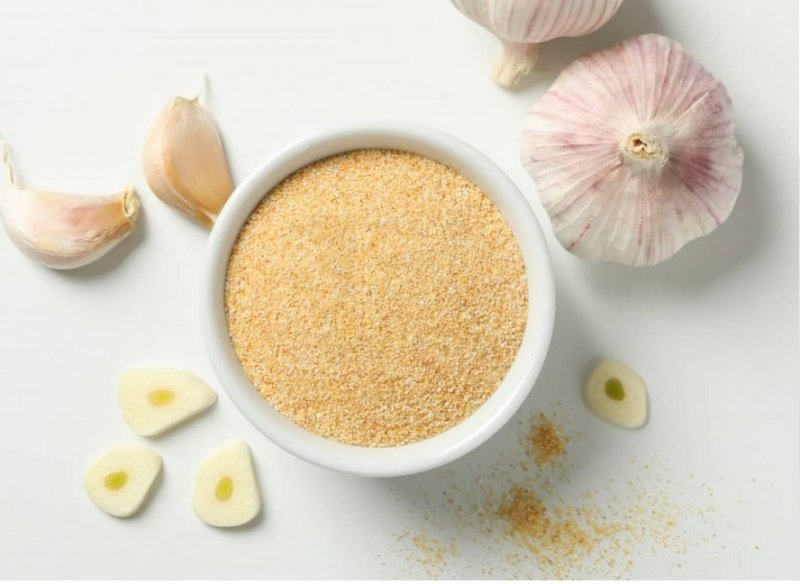
What is Allicin Powder
Allicin is the primary mode of action in garlic, which is triggered when garlic cloves are crushed, thus stimulating the enzyme alliinase, which converts the alliin into allicin. Although fresh allicin is not very stable and dies rapidly, sophisticated processing technology enables it to be stabilized into allicin powder, which is ideal for application in agriculture.
Allicin powder is:
- Natural and biodegradable with no toxic residues.
- Antimicrobial, with antibacterial and antifungal properties.
- Insect-repelling, repulsive sulfur scent.
- Compliant, applicable in soil, foliar spray, and storage pest control.

The Mode of Action of Allicin Powder in Pest Control
Allicin defense of plants against various modes of action renders it of immense value as a green pest control component.
1. Odor-Based Repellency
The pungent garlic odor of allicin deters insects like aphids, mites, and whiteflies. These insects are mostly dependent on chemical signals for finding plants, but allicin hides these signals and disorients pests, deterring them.
2. Prevention of Pest Enzymes
Pest protein and enzyme thiol (-SH) groups also react with allicin. They interfere with pest metabolic processes, preventing their survival and reproduction and minimizing disease transmission (Ankri & Mirelman, 1999).
3. Antifungal Activity
Plant leaf and root fungal pathogens like Fusarium, Aspergillus, and Botrytis are suppressed by allicin. Its antifungal activity prevents plant diseases, minimizing the use of synthetic fungicides.
4. Nematode Suppression
Nematodes are a significant issue for root crops. Allicin powder lowers the population of nematodes by destroying their cellular structure and reproductive abilities (Gupta & Sharma, 2014).

Uses of Allicin Powder in Agriculture
1. Foliar Spray for Crop Protection
Allicin powder can be mixed and sprayed as a foliar spray to guard against insects and fungal infections.
Dosage:
1–2 g allicin powder/liter water.
- Spray every 7–10 days for maximum protection.
- Target insects: Aphids, mites, whiteflies, leaf miners, and fungal diseases.
2. Soil Treatment to Manage Nematodes
Root damage by nematodes is severe, which reduces the yield. Allicin can be used for treating the soil as a natural nematicide.
Dosage:
- 2–5 g/kg soil at sowing.
- Or dissolved in irrigation water for spray application in the field.
3. Seed Treatment
Seed treatment with allicin powder prior to sowing can prevent infection with soil-borne disease and early pest infestation.
Advantages:
- Enhances germination.
- Naturally shields weaker seedlings.
4. Post-Harvest Protection
Storaged grains and crops are usually susceptible to pests such as moths and beetles. The smell of allicin is a repellent in the warehouse, limiting post-harvest loss.

Advantages of Allicin Powder in Pest Control
- Eco-Friendly – Biodegradable and safe to soil, water, and non-target species.
- Residue-Free – Unlike chemical pesticides, allicin leaves no toxic residues on crops.
- Multi-Purpose – It serves as an insecticide, antifungicide, and nematicide.
- Organic Farming Friendly – Sustainable for farmers who want organic certifications.
- Lower Pest Resistance – Pests have less chance to develop resistance than man-made chemicals.

Example from Real Life: Garlic Pest Control in Agriculture
Scientific research has pinpointed that garlic's allicin is able to greatly suppress pest numbers:
- Tomatoes and Cucumbers: Garlic sprays inhibited fungal pathogens and enhanced plant health (Bisen et al., 2014).
- Soil Crops: Allicin inhibited root-knot nematodes (Meloidogyne incognita) in soil, enhancing crop root growth and yield (Gupta & Sharma, 2014).
- Storage Grains: Garlic preparations controlled beetle infestation, reducing post-harvest crop loss (Sivakumar et al., 2012).

Limitations and Considerations
Although allicin powder is fine, certain limitations need consideration:
- Short Residual Effect: Allicin degrades rapidly in sun and intense heat, necessitating repeated applications.
- Standardization: Efficacy may be variable in type of crop, density of pest, and weather.
- Not a Quick Kill Pesticide: Works well as a preventive rather than a quick knockdown.
Conclusion
Allicin powder is a strong, green, and organic crop pest control substance. Exerting both the functions of insect repellent and antifungal and nematicidal activities, it offers multi-layered protection to crops and minimizes chemical-based pesticide usage to a mere minimum. Being organic-friendly, biodegradable, and safe, it is the perfect selection for farmers interested in green solutions.
With agriculture moving more towards green and sustainable methods, allicin powder is a science-backed, real-world substitute for chemical pesticides. In addition to enhancing the protection of crops, it works to give more healthy soil, safer food, and a cleaner environment.
References
Ankri, S., & Mirelman, D. (1999). Antimicrobial properties of allicin from garlic. Microbes and Infection, 1(2), 125–129.
Bisen, K., Keswani, C., Mishra, S., Saxena, A., & Singh, H. B. (2014). Perspectives for integrated pest management using plant-based products. Applied Microbiology and Biotechnology, 98(22), 10161–10173.
Gupta, P., & Sharma, P. (2014). Efficacy of garlic-based formulations against root-knot nematode Meloidogyne incognita. Journal of Biopesticides, 7(1), 12–18.
Sivakumar, D., Bautista-Baños, S., & Al-Said, F. A. J. (2012). A review on the use of essential oils for postharvest decay control and maintenance of fruit quality. Postharvest Biology and Technology, 64(2–3), 113–122.


