The growers now face the double task of safeguarding their crops from pests while ensuring sustainable and environmentally friendly practices of cultivation. Overuse of chemical pesticides has threatened the health of soil, led to resistance in pests, and compromised food safety. Therefore, the search for natural pest control agents that are safe, efficient, and environmentally friendly is on a larger scale.
One such solution is allicin powder, a natural compound derived from garlic (Allium sativum). With its antimicrobial, antifungal, and insect-repellent properties, allicin is gaining popularity among farmers worldwide as a reliable tool for pest management. In this blog, we'll explore what allicin powder is, how it works, and why more farmers are turning to it as part of sustainable agriculture practices.

What is Allicin Powder?
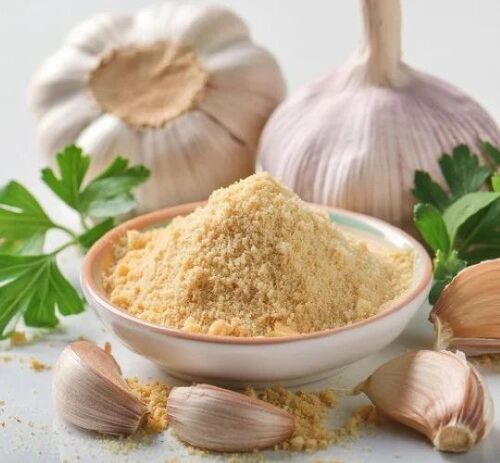
Allicin is the bioactive compound obtained when garlic cloves are crushed or minced. Allicin is accountable for the odor of garlic as well as intense biological activity. Fresh allicin has a short lifespan and decomposes rapidly due to which it is processed into stable powder form utilized in agriculture and commerce.
Allicin powder is:
- Natural and biodegradable and therefore safe for plants, soil, and the environment.
- Non-toxic to man and animals when applied properly.
- Multi-purpose, as an antifungal agent, nematicide, and insect repellent.

How Allicin Powder Functions as a Natural Pesticide
The activity of Allicin is due to the fact that it is multi-targeting against pests and disease.
1. Insect Repellent
The sulfurous smell characteristic of allicin repels and disorients regular crop infestation insects like mites, aphids, and whiteflies. Allicin acts differently from chemical insecticides that kill immediately because it renders the environment of the crop uninhabitable for pests.
2. Antifungal Activity
Allicin kills fungal cell walls and also spore germination, preventing crops from fungal diseases like Fusarium, Aspergillus, and Botrytis. This is done through the minimization of the use of artificial fungicides.
3. Nemotode Control
Plant root systems are greatly debilitated by nematodes in the soil, which lower the harvests. It is established that allicin inhibits the population of nematodes by disrupting their cell membranes and reproductive habits.
4. Bacterial Suppression
Allicin prevents bacterial enzymes and lowers the toxic impact of bacterial infections in plants.
Utilization of Allicin Powder in Agriculture
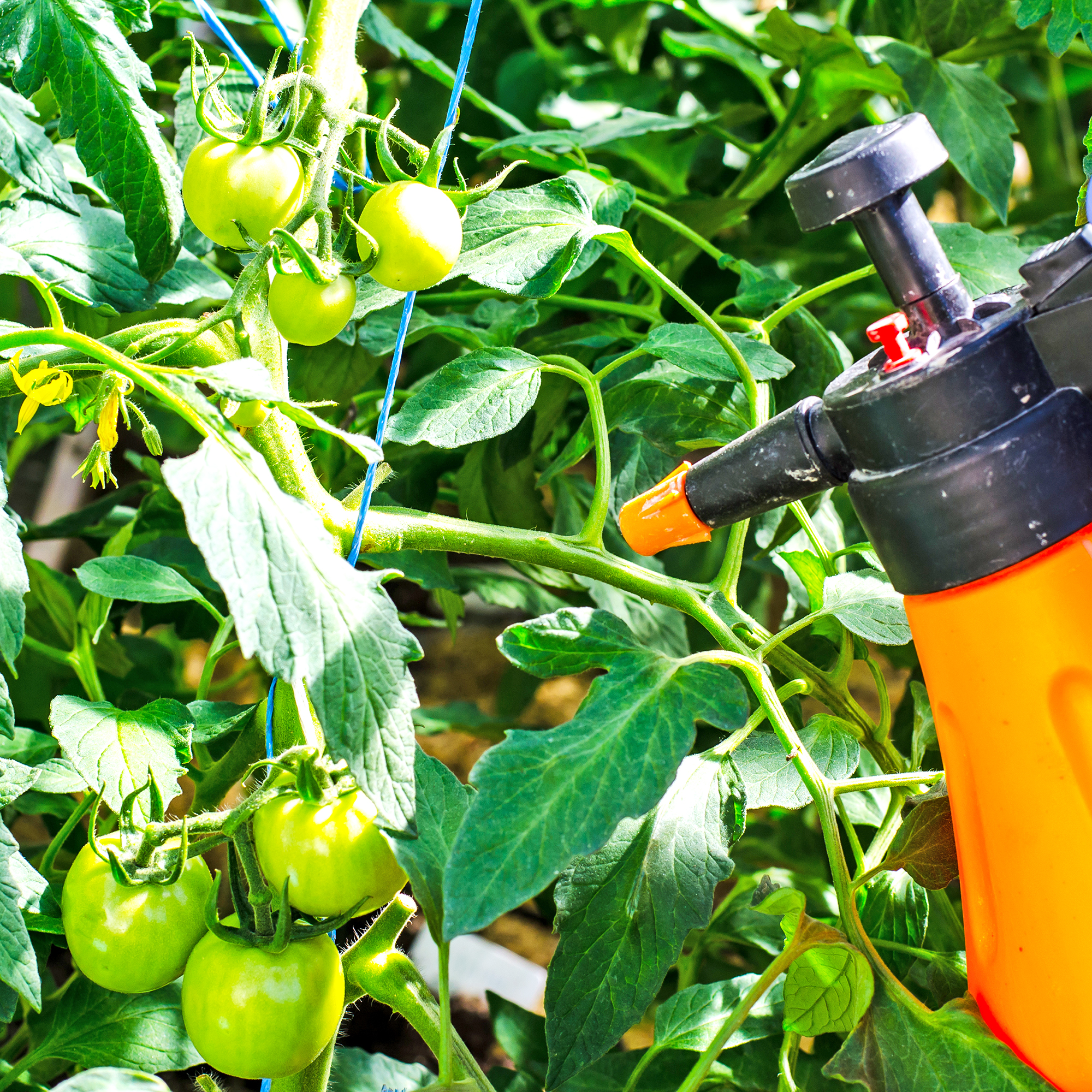
Allicin powder is utilized by farmers in numerous different ways for organic pest management:
- Foliar Spray – Allicin powder diluted is sprayed on foliage in an effort to repel insects and ward off fungal diseases.
- Soil Amendment – Allicin is mixed with soil or irrigation water and prevents nematodes and soil insects.
- Seed Treatment – Applying allicin powder on seeds to coat them safeguards young seedlings from infection in the early stages.
- Post-Harvest Storage – Allicin repels pests such as beetles and moths on stored produce, thereby minimizing post-harvest losses.
Why Farmers Prefer Allicin Powder Over Chemicals
1. Environment-Friendly Solution
Allicin powder differs from chemical pesticides because it is biodegradable and doesn't have any toxic residues to leave behind in the soil or water. Due to this, it is acceptable for farmers who are looking for organic and sustainable agriculture.
2. Less Chance of Pest Resistance
Chemical pesticides tend to develop pest resistance if they are repeatedly applied. Allicin, as it acts in so many ways, has less likelihood of developing pest resistance.
3. Safe for Non-Target Organisms
Allicin is less toxic to beneficial insects such as bees and earthworms than broad-spectrum chemicals. This preserves ecological stability in agroecosystems.
4. Economically Inexpensive in the Long Term
Even though natural practices are bound to appear more costly in the initial stages, their advantage in soil conservation, resistance management, and compliance in organic certification reduces their cost in the long run.
5. Organic Compliance
The majority of certifying organizations permit allicin powder, a powder based on garlic, to be used in organic agriculture, thereby facilitating it for farmers to meet market standards in organic produce.

Challenges and Implications
While allicin powder is highly useful, farmers should also adopt a couple of limitations:
- Short residual action – Allicin degrades in a short time when exposed to sun and air and has to be re-applied often.
- Variable efficacy – Efficacy can vary with various crops, weather, and insect pressure.
- Integration needed – Efficacy is optimal as part of an integrated pest management (IPM) and not a sole measure.

Conclusion
Agriculturists have adopted the use of allicin powder as it is an organic, soil-friendly, and efficient means of controlling pests. From deterring insects and nematodes to deterring fungal and bacterial diseases, allicin is an all-around alternative to chemical pesticides.
As the world turns to sustainable agriculture, natural pest control compounds such as allicin powder become more applicable. Through integration in farming systems, farmers can enhance their produce protection, soil health, and respond to increased consumer pressure for chemical-free, safe produce.
References
Ankri, S., & Mirelman, D. (1999). Antimicrobial properties of allicin from garlic. Microbes and Infection, 1(2), 125–129.
Gupta, P., & Sharma, P. (2014). Efficacy of garlic-based formulations against root-knot nematode Meloidogyne incognita. Journal of Biopesticides, 7(1), 12–18.
Bisen, K., Keswani, C., Mishra, S., Saxena, A., & Singh, H. B. (2014). Perspectives for integrated pest management using plant-based products. Applied Microbiology and Biotechnology, 98(22), 10161–10173.
Sivakumar, D., Bautista-Baños, S., & Al-Said, F. A. J. (2012). A review on the use of essential oils for postharvest decay control and maintenance of fruit quality. Postharvest Biology and Technology, 64(2–3), 113–122.