Aloe Vera Freeze-Dried Powder is one botanical ingredient being considered for applications where digestive function, antioxidant balance and animal health are important formulation priorities for Animal feed. While, aloe vera is not a replacement for good nutrition, veterinary care or farm biosecurity. Though, research suggests that selected aloe vera preparations may have functional properties worth investigating in poultry, livestock and aquaculture diets.
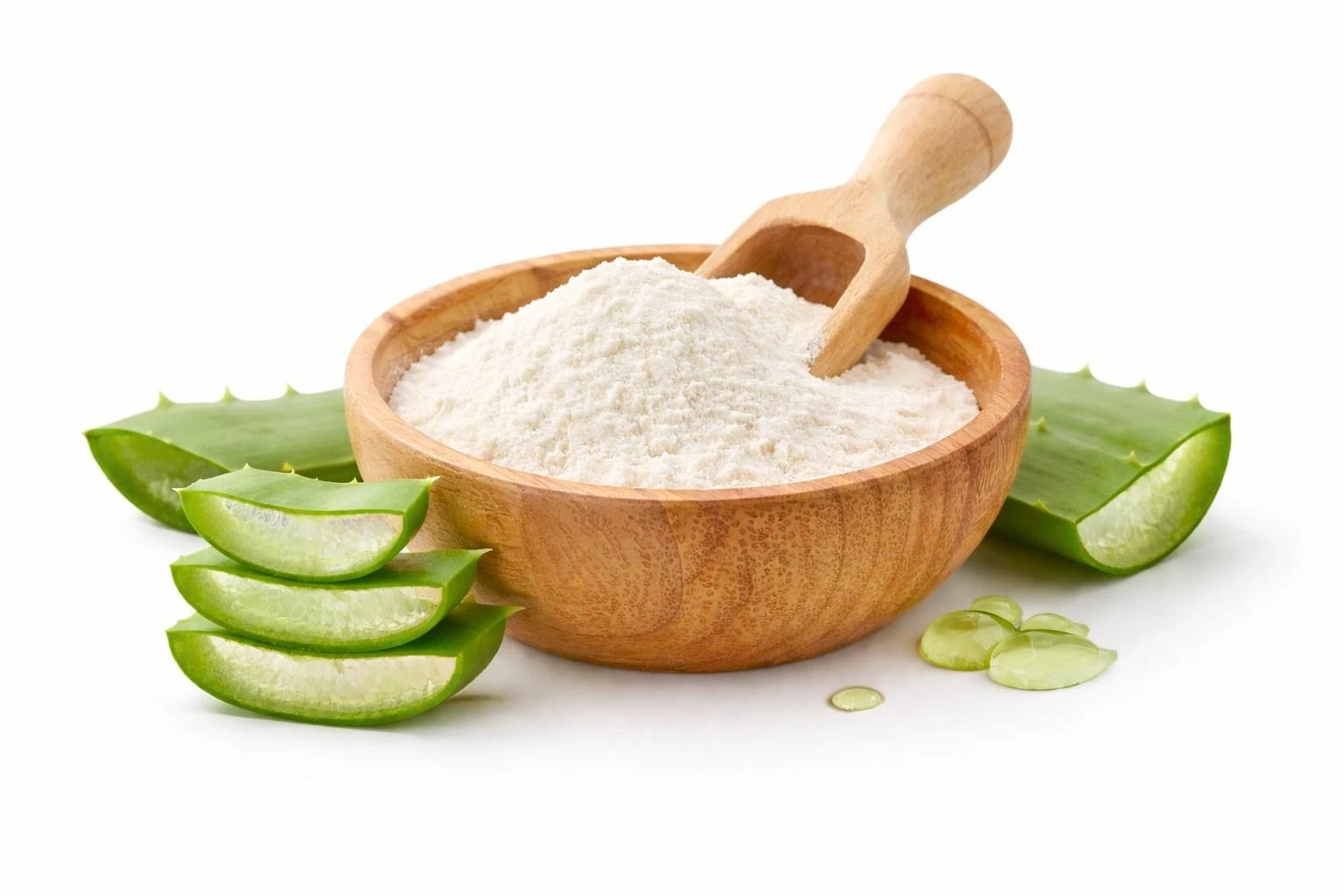
Freeze-Drying Aloe Vera
Aloe vera - a succulent plant species of the genus Aloe. It is widely distributed and is considered an invasive species in many regions of the world.
An evergreen perennial, it originates from the Arabian Peninsula but also grows wild in other tropical, semi-tropical, and arid climates around the world. It is cultivated commercially and has been used for centuries as a topical treatment. The species is considered attractive for decorative purposes and is often used indoors as a potted plant.
The leaves of Aloe vera contain significant amounts of the polysaccharide gel acemannan, which may be used for topical purposes. The leaves also contain aloin, a toxic compound. Aloe vera products are typically made from the gel.
Aloe vera acemannan may be used in skin lotions, cosmetics, ointments, and gels for minor burns, skin abrasions, insect bites, and windburn.
Oral ingestion of aloe vera extracts may cause acute abdominal pain and cramps, and hepatitis if consumed chronically. It should not be used during pregnancy. Some people have allergic reactions to aloe when used on skin.
Freeze-drying, also known as lyophilization, removes moisture by freezing the material and reducing the surrounding pressure in order for the ice to change directly into vapor. It can reduce exposure to high temperatures compared with conventional hot-air drying. While, the final quality of aloe vera powder depends on more than the drying method. The raw material selection, removal of unwanted plant components, processing conditions, extraction methods and storage also influence the finished ingredient. It is important for the commercial buyers to request product specifications and a current batch Certificate of Analysis (COA), rather than relying on the words "freeze-dried" or a concentration ratio alone.
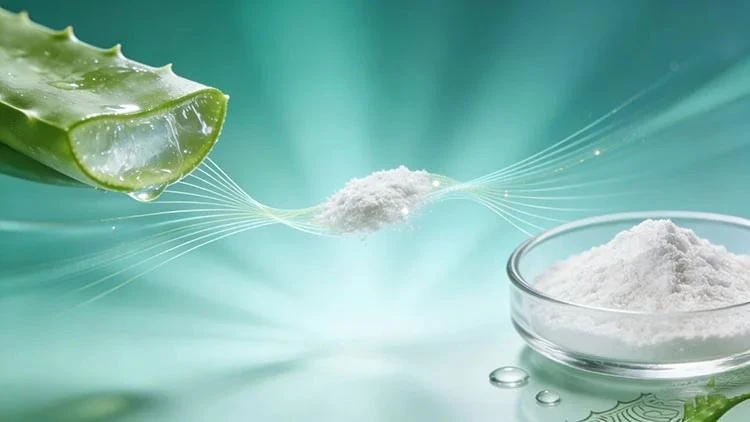
Potential Benefits of Aloe Vera Freeze-Dried Powder in Animal Feed
Aloe vera is being studied for potential applications in animal nutrition. The benefits may vary depending on the preparation, volume of application, animal species and feeding conditions.
1. Supporting Digestive Health
Aloe vera gel contains polysaccharides and other compounds that may support normal intestinal function.
Potential benefits include:
- Supporting intestinal health
- Maintaining gut tissue integrity
- Helping balance gut microorganisms
- Supporting nutrient digestion and absorption
The area of these properties targets poultry, livestock and aquaculture. However, aloe vera should not be considered a treatment for digestive diseases.
2. Supporting Antioxidant Defenses
Heat stress can reduce feed intake, slow growth and affect animal health. Aloe vera has been studied for its antioxidant properties and potential role in managing oxidative stress.
A 2026 broiler study found that dietary lyophilized aloe vera gel improved several antioxidant indicators, including superoxide dismutase, while reducing malondialdehyde levels.
These findings suggest potential applications in animal diets, particularly in hot production environments.
3. Supporting Immune Function
Aloe vera contains acemannan, a polysaccharide studied for its potential immunomodulatory properties.
Research has explored how aloe-derived compounds may influence immune-cell activity and support normal immune responses.
This makes aloe vera an interesting ingredient for nutritional formulations, although it should not replace vaccination, veterinary care or proper farm management.
4. Supporting Nutrient Utilization
Efficient nutrient utilization is important for animal growth and feed performance.
Some aloe vera feeding studies have reported improvements in nutrient digestibility. For example, a 2026 broiler study found improved digestibility of crude protein, lipids and dry matter in experimental groups.
These findings suggest that aloe vera may have potential as a functional feed ingredient. However, improvements in growth or feed conversion should be confirmed through controlled feeding trials.
Applications Across Different Animal Industries
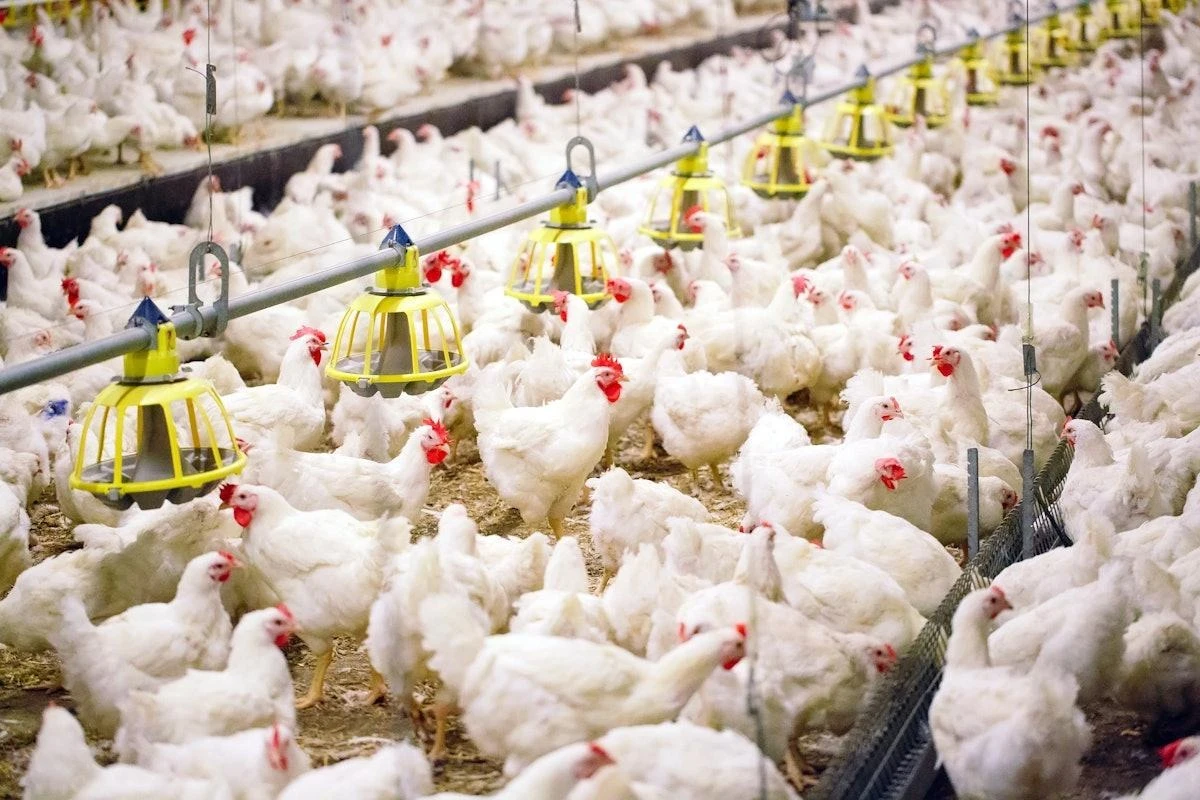
Aloe Vera in Poultry Feed
Poultry producers face challenges involving heat stress, intestinal health, feed efficiency and consistent growth performance.
Aloe vera has been studied as a botanical feed ingredient for broiler chickens. The 2026 lyophilized-gel study is particularly relevant because it investigated growth, digestibility, liver-related indicators and antioxidant status under high-temperature conditions.
For poultry nutritionists, the study provides a reason to investigate aloe vera in carefully designed feed trials. It does not establish a universal commercial inclusion rate.
Aloe Vera in Swine Nutrition
In swine production, digestive function and feed intake are particularly important during demanding production stages, including the post-weaning period.
Aloe vera-derived polysaccharides and extracts may be worth investigating in relation to intestinal function, immune indicators and nutritional performance.
However, evidence for specific commercial freeze-dried aloe vera products in swine diets remains less established than the broader research interest in poultry and aquaculture. Species-specific feeding trials are needed before making performance claims.
Aloe Vera in Aquaculture Feed
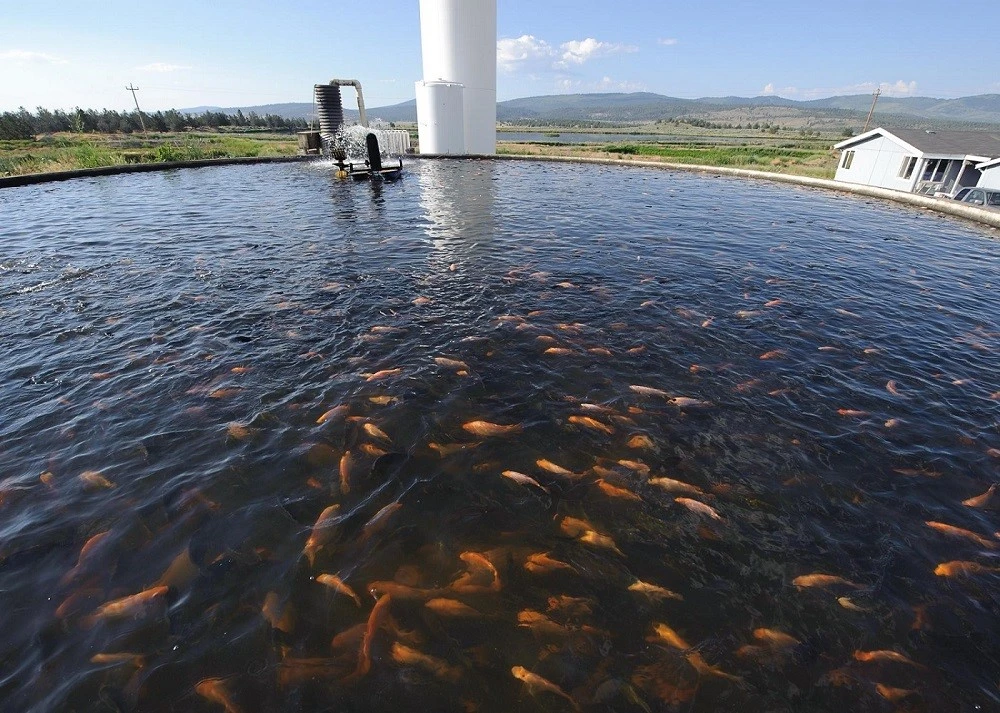
Aquaculture researchers have investigated aloe vera as a potential botanical feed additive for different aquatic species.
A 2025 mini-review published in Annals of Animal Science summarized feeding-trial research involving aloe vera in aquatic animals. The review discussed potential effects on growth performance, flesh quality, hematological parameters, disease resistance and stress mitigation.
The review also highlighted an important consideration: excessive inclusion levels may negatively affect aquatic animal production.
For aquaculture feed manufacturers, ingredient selection should therefore consider species, life stage, feed intake, water quality and the specific aloe preparation being used.
Aloe Vera in Ruminant Feed
Research into aloe vera for cattle, goats and sheep is less developed than research in poultry and aquatic animals.
Potential areas for further investigation include feed intake, digestibility, rumen fermentation and antioxidant status.
For ruminant applications, it is especially important to understand how the ingredient interacts with the rumen microbial environment before making nutritional or performance claims.
What Should Feed Manufacturers Check Before Buying Aloe Vera Powder?
For international ingredient buyers, product quality and consistency are just as important as potential nutritional benefits.
Before purchasing aloe vera freeze-dried powder in bulk, consider the following:
1. Botanical Identity
Confirm the botanical name and plant part used. Inner gel, whole-leaf material and latex-containing preparations have different compositions.
2. Acemannan or Polysaccharide Content
Ask whether the supplier can provide a validated analytical specification for acemannan or the relevant polysaccharide marker.
3. Aloin and Anthraquinone Control
Aloin is a naturally occurring anthraquinone associated with the latex portion of the aloe leaf. Buyers should request appropriate analytical information and confirm that the product meets the intended feed-use requirements.
4. Certificate of Analysis
A batch-specific COA should include relevant identity, assay, moisture and microbiological parameters, along with contaminant testing where appropriate.
5. Manufacturing and Traceability
Review the supplier's manufacturing process, quality-management systems, batch traceability, packaging and storage recommendations.
6. Application Suitability
Confirm that the product is suitable for the intended species, feed type and target market. Regulatory requirements for feed ingredients can differ between countries.
How Should Aloe Vera Freeze-Dried Powder Be Used in Feed Formulations?
There is no single inclusion rate that can be recommended for all animal species or all aloe vera products.
The appropriate level depends on the product's composition, concentration, processing method, target animal, diet formulation and applicable regulatory requirements.
Feed manufacturers should consider:
- Starting with the supplier's technical specifications and safety documentation
- Evaluating palatability and feed intake
- Checking compatibility with other feed ingredients
- Assessing stability during pelleting or extrusion
- Conducting controlled trials before commercial-scale adoption
- Monitoring growth, feed conversion, digestibility and relevant health indicators
The 2026 broiler study provides an experimental reference for one lyophilized gel preparation, not a universal dosage recommendation for commercial products.
Why Choose HJHERB Biotechnology?
HJHERB Biotechnology offers a wide range of products that are of high quality and value to a variety of industries, including the agricultural industry. It is imperative in creating the highest quality feed products for animals and even aquaculture and industrial cleaning products. All of the products at HJHERB are produced in a facility that is certified in the AFIA's Safe Feed/Safe Food Certification Program. Contact us by email: info@hjagrifeed.com
Website: https://hjagrifeed.com/
References and Further Reading
- Habashy, W. S., Morsi, A. M., Elghalid, O. A., et al. (2026). "The role of lyophilized Aloe vera gel in growth, liver health, redox homeostasis, and enhancing resilience of broiler chicks to high-temperature conditions." Tropical Animal Health and Production, 58, 108. https://doi.org/10.1007/s11250-026-04862-9
- Lee, S. W., Tahiluddin, A. B., Hadiana, Z. A., et al. (2025). "Impacts of using Aloe vera as a feed additive in aquatic animals feeding trials: A mini-review." Annals of Animal Science. https://doi.org/10.2478/aoas-2025-0080
- Quaye, B., Opoku, O., Benante, V., et al. (2023). "Influence of Aloe vera (Aloe barbadensis M.) as an alternative to antibiotics on the growth performance, carcass characteristics and haemato-biochemical indices of broiler chickens." Veterinary Medicine and Science, 9, 1234–1240. https://doi.org/10.1002/vms3.1099
- Ebrahim, A. A., Elnesr, S. S., Abdel-Mageed, M. A. A., & Aly, M. M. M. (2020). "Nutritional significance of aloe vera (Aloe barbadensis Miller) and its beneficial impact on poultry." World's Poultry Science Journal, 76, 803–814. https://doi.org/10.1080/00439339.2020.1830010
- Hamman, J. H. (2008). "Composition and applications of Aloe vera leaf gel." Molecules, 13, 1599–1616. https://doi.org/10.3390/molecules13081599