


As their owners become increasingly health-aware, natural, plant-based pet well-being products are selling at an astronomical rate. Among the superfoods that are rapidly becoming popular as pets' food additives is Aloe Vera freeze-dried powder. While its ancient human applications are for relaxation, healing, and immunization, Aloe Vera has various scientifically verified advantages for dogs and cats-everything from improved digestion to healthy coat and more resilient immune system.
In this blog post, we'll explore what makes Aloe Vera freeze-dried powder unique, how it supports pet health, and the best ways to safely include it in your dog or cat's routine.

What Is Aloe Vera Freeze-Dried Powder?
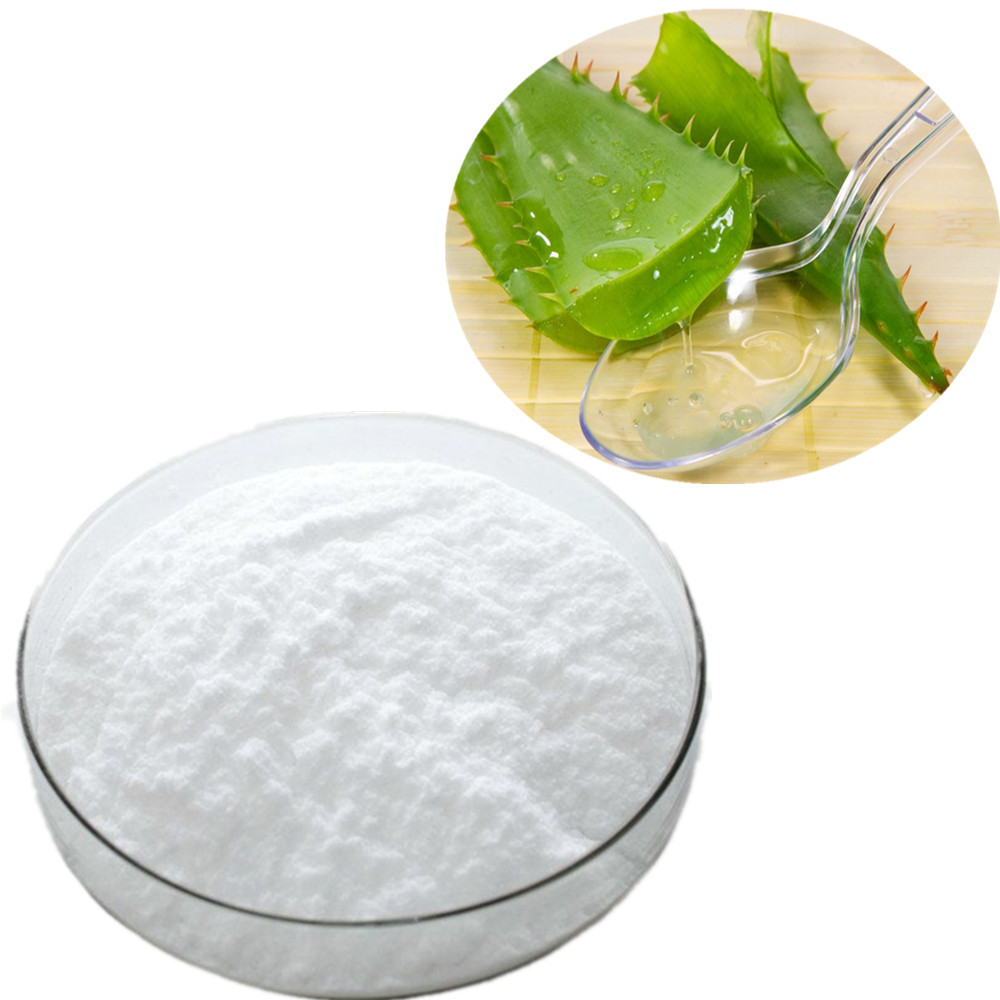
Aloe Vera freeze-dried powder is produced by extracting the inner gel of the Aloe Vera leaf and drying it using freeze-drying on a low-temperature basis to preserve the active ingredients. This yields a shelf-stable, concentrated powder with the beneficial bioactives of the plant, which are:
- Polysaccharides (predominantly acemannan)
- Vitamins (A, C, E, B12)
- Amino acids and enzymes
- Minerals such as calcium, magnesium, and zinc
- Antioxidants and phytonutrients
Whereas Aloe gel or juice is weaker, not as stable, and in the way to transport because it's liquid, freeze-dried powder is stronger, more stable, and can be shipped, so it is the ideal product to add to pet recipes, as a supplement, or even consume daily.
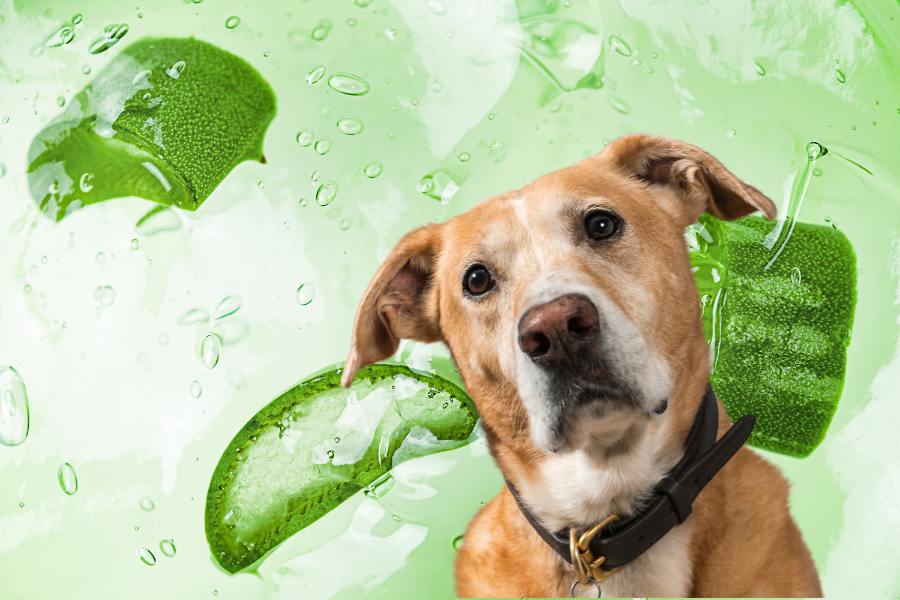
Top Aloe Vera Freeze-Dried Powder Benefits for Pets
1. Digestive Health
Aloe Vera has enzymes (amylase and lipase) and fiber that do the following:
- Stimulate healthy digestion and bowel movements
- Heal constipation, gas, and bloating
- For IBD or sensitive stomach pets
The acemannan ingredient is also a prebiotic, and this stimulates the good gut bacteria to thrive-resulting in improved nutrient uptake and immune system.
2. Sore Skin Inflammation and Healing
Externally and internally, Aloe Vera powder may be of help:
- Quell itching, inflammation, and hot spots
- Accelerate healing of wounds, rashes, and burns
- Hydrate the skin and soften it
Its anti-inflammatory and antimicrobial properties make it a completely natural treatment for dermatitis, allergies, or chronic skin afflictions in animals.
3. Strengthens Immune Response
The acemannan polysaccharide has been shown to:
- Activate macrophages and T-cells
- Trigger cytokine release
- Enhance resistance to viral and bacterial infection
This renders Aloe Vera freeze-dried powder an asset to immune support, particularly for aged pets or recovering from illness.
4. Reduces Inflammation and Arthritis Pain
Aloe Vera can:
Due to its anti-inflammatory and antioxidant properties:
- Relax stiffness in joints of mature dogs
- Reduce swelling and pain caused by arthritis
- Treat autoimmune diseases
It is also used as a food supplement with other joint nutrients such as glucosamine, MSM, or green-lipped mussel powder.
5. Detox and Liver Support
Aloe Vera powder assists in:
- Triggering liver and kidney detoxification mechanisms
- Clearing metabolic wastes and toxins
- Guarding liver cells against oxidative damage
This is most effective in drug-exposed, chemically exposed, or processed food-exposed animals.
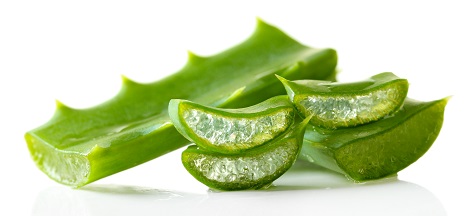
Aloe Vera in Animals: Scientific Evidence
A few research studies and corroborative anecdotal reports establish the efficacy and safety of Aloe Vera in animals:
- Acemannan has been showing great potential as an intestinal immunity stimulant, a virus inhibitor in canine and feline models.
- Anti-inflammatory activity of Aloe inhibits inflammation and pain in canine models of arthritis.
- Aloe supplement enhances collagen production and wound healing, useful for recovery of wound and surgical process.
Note: Decolorized and filtered whole Aloe latex (yellow sap of exterior leaf) harbors aloins, which are toxic in excess amount. Decolorized and filtered most pet use freeze-dried powders eliminate aloin and become non-toxic and safe.

Aloe Vera Freeze-Dried Powder for Pet's Use
In Food or Supplements
Aloe powder may be added to:
- Pet homemade or raw foods
- Commercial dog or cat food that has been canned or dried
- Powder blends, capsules, or chews
Topical Application
Calm small scratches or cuts by blending a small amount with water to produce a cooling gel or spray.

Dosage Guidelines
| Pet Type | Suggested Daily Dosage |
|---|---|
| Small Dogs & Cats (<10kg) | 50–100 mg |
| Medium Dogs (10–25kg) | 100–200 mg |
| Large Dogs (>25kg) | 200–400 mg |
Gradually increase the dosage and watch for tolerance. Use only pet-safe, decolorized Aloe Vera powder that is free of aloin.
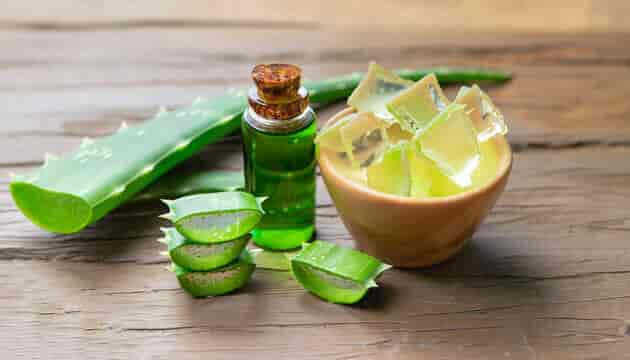
Safety Guidelines
Although Aloe Vera is safe when processed appropriately, use the following guidelines:
- Avoid using whole leaf preparations containing aloin (a recognized laxative)
- Verify the powder is described as "decolorized" or "aloin-free"
- Avoid using in pregnant or lactating animals except in veterinary advice
Obtain approval from your veterinarian for extended use, particularly in animals with kidney disease
Summary Benefits: Why Use Aloe Vera Freeze-Dried Powder?
| Health Area | Benefits |
|---|---|
| Digestion | Improves gut health, eases bloating and gas |
| Skin & Coat | Soothes irritation, hydrates skin, speeds healing |
| Immunity | Activates immune cells, antiviral support |
| Joint Health | Reduces inflammation and stiffness |
| Detox Support | Supports liver function and toxin elimination |

Final Thoughts
Aloe Vera freeze-dried powder is a powerful, natural addition to your pet's wellness routine. Whether you're aiming to support digestion, skin health, immunity, or overall vitality, Aloe Vera provides a multi-benefit solution that's backed by tradition and science.
With its excellent strength, shelf life, and optimal performance in food or topicals, Aloe Vera powder is the ideal product for pet owners and formulators to formulate safe, functional, and clean-label products.
Remember only: quality and sourcing are important. Always utilize aloin-free, food-grade Aloe Vera powder specifically manufactured for use in pets.
References
Reynolds, T., & Dweck, A. C. (1999). Aloe vera leaf gel: a review update. Journal of Ethnopharmacology, 68(1–3), 3–37.
Chinnah, A. D., et al. (1992). Effect of acemannan on canine and feline macrophages. Veterinary Immunology and Immunopathology, 35(3–4), 343–353.
Vogler, B. K., & Ernst, E. (1999). Aloe vera: a systematic review of its clinical effectiveness. British Journal of General Practice, 49(447), 823–828.


