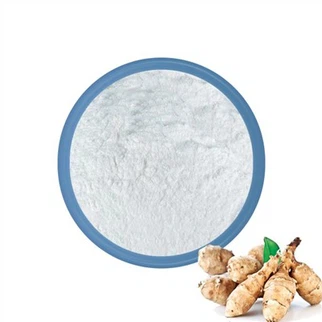
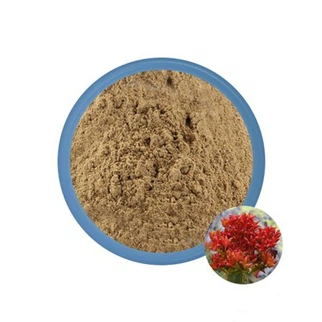
With the growing market for natural pet supplements in today's market, Carnosic Acid Powder is one that's stepping forward for its strong antioxidant and antimicrobial action. Derived from rosemary extract, Carnosic Acid contains an antioxidant that occurs in a range of human and pet products because it helps to inhibit oxidative damage, enhance shelf life, and enhance immune response.
But as pet food manufacturers and supplement formulators consider incorporating this botanical ingredient into their products, a question must be asked: Is the cost of Carnosic Acid Powder worth its value added to pet applications?
We research the current market price, what motivates the price, and how Carnosic Acid contributes value to pet products so that you can have an informed choice if it's a good investment for your brand or product line.
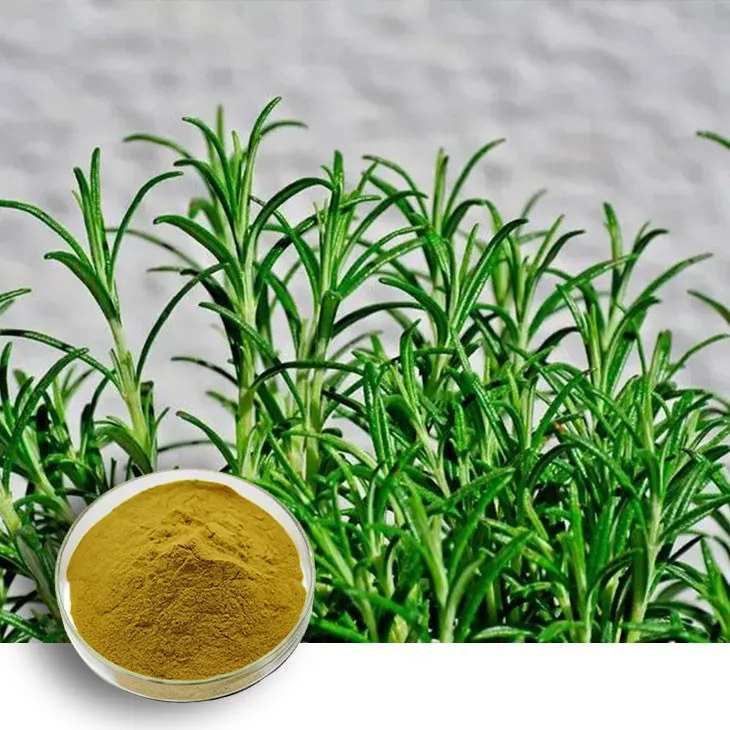
What Is Carnosic Acid Powder?
Carnosic Acid is a phenolic diterpene fat-soluble compound found naturally in Rosmarinus officinalis (rosemary). It is usually extracted and refined to a powder concentrate, standardized to some active compound percentage (usually 20% to 60%).
It appears mostly in animal products:
- Natural antioxidant activity
- Preservative effect on oils and fats
- Immune modulation
- Anti-inflammatory support
It's a GRAS (Generally Recognized As Safe) compound and one that's approved for use in pet foods and supplements in the majority of countries.

Overview of Carnosic Acid Powder Price
The price of Carnosic Acid Powder can vary hugely based on:
- Purity level (20%, 40%, 60%)
- Method of extraction (supercritical CO₂ or solvent extraction)
- Organic or conventional origin
- Quantity purchased (in bulk vs. retail)

Average Market Pricing (as of 2025):
| Purity Level | Price (Per kg) |
|---|---|
| 20% Carnosic Acid | $100 – $150/kg |
| 40% Carnosic Acid | $160 – $220/kg |
| 60% Carnosic Acid | $230 – $300/kg |
Organic-certified, low-residue, or specialty-blended products can also be more expensive, especially if imported from premium rosemary producers (e.g., Spain, Morocco, or the US).

Factors That Affect Price
1. Purity and Standardization
Increased concentration equals:
- Low inclusion rates
- Increased potency
- More expensive extraction price
Although 60% purity is more costly, less is required per formula, possibly to counteract cost-per-use.
2. Sourcing and Origin
- Mediterranean rosemary is preferred because of quality.
- Organic production methods and traceability contribute to cost.
- Purchasing from sustainable or CO₂-extracted sources hikes up cost but enhances safety and shelf life.
3. Production Volume
- Bulk orders (≥100 kg) provide dramatic price reductions.
- Retail/Small batch: $250/kg+
- Bulk/Contract buyers: as low as $120/kg (20% grade)

Carnosic Acid Benefits in Pet Products
Having discussed pricing, let's consider the functional and health value of Carnosic Acid in pet food and product development.
1. Natural Antioxidant and Preservative
Carnosic Acid guards against:
- Lipid peroxidation in pet food with high oil/fat content
- Rancidity in fish oil, flaxseed, or krill-sourced formulas
- Degradation of nutrients over time
This increases shelf life of dry kibble and soft chews alike-providing a natural alternative to man-made preservatives like BHA, BHT, or ethoxyquin.
2. Supports Immune Health
In dogs and cats both, Carnosic Acid:
- Reduces oxidative stress at the cellular level
- Induces balanced immune response
- May enhance vaccine efficacy when supplemented with other botanicals
This makes it especially beneficial for geriatric animals, immunocompromised animals, or high-stress conditions (e.g., kennels, travel, shows).
3. Anti-Inflammatory and Cognitive Support
Studies show that Carnosic Acid:
- Inhibits inflammatory pathways
- Preserves brain function and slows cognitive decline in aging animals
- Acts synergistically with omega-3s and vitamin E
It's very commonly seen in geriatric pet formulas and joint or brain formula supplements.
4. Antimicrobial Properties
Carnosic Acid has worked against:
- Gram-positive bacteria
- Fungi and yeast
This not only serves to maintain gut and skin health but enhances the safety of raw and semi-moist pet foods.

Cost vs. Benefit Analysis
Let's analyze if the cost is deserved based on use:
| Use Case | Justified? | Why? |
|---|---|---|
| Premium dog/cat supplements | Yes | Potent antioxidant, immune, and joint support |
| Raw/freeze-dried pet food | Yes | Preserves fats naturally, extends shelf life |
| Budget kibble or bulk treats | Not ideal | High cost not aligned with price point |
| Geriatric or sensitive pet diets | Yes | Anti-inflammatory and cognitive support |
In premium or therapeutic products, Carnosic Acid's performance warrants the increased ingredient price. In mass market or low-margin products, it might be deemed cost-forbidden.

Carnosic Acid vs. Other Antioxidants
| Ingredient | Source | Price (Per kg) | Shelf Life | Pet-Safe? | Functionality |
|---|---|---|---|---|---|
| Carnosic Acid | Rosemary | $100–300 | Excellent | Yes | Antioxidant, anti-inflammatory |
| Mixed Tocopherols | Vitamin E blends | $50–150 | Good | Yes | Antioxidant only |
| BHT/BHA | Synthetic | $10–30 | High | Limited (some bans) | Antioxidant only |
| Curcumin | Turmeric | $80–150 | Moderate | Yes | Antioxidant + gut health |

Labeling and Compliance Notes
AAFCO and FDA regulations allow for Carnosic Acid use as a natural preservative.
Can be labeled as:
- "Rosemary extract (preservative)"
- "Natural antioxidant from rosemary"
- "Carnosic acid" (if it is standardized)
Ensure the level of inclusion in your product is in accordance with country-specific requirements and is backed by stability data.
Conclusion: Is Carnosic Acid Worth the Price?
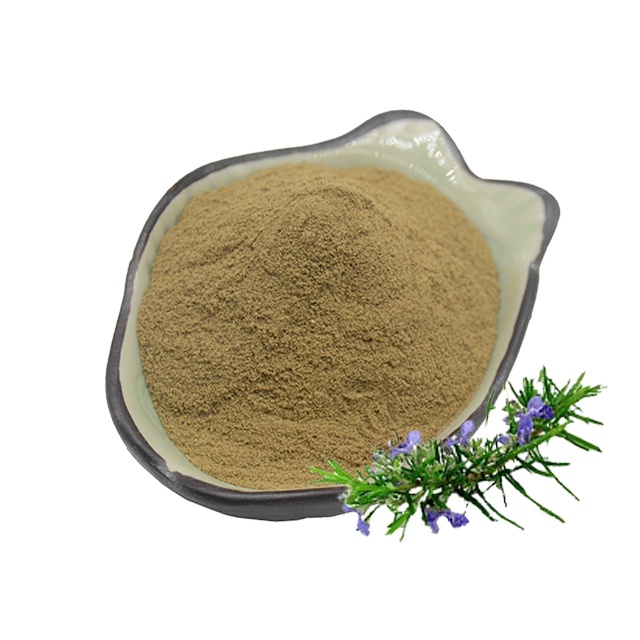
Carnosic Acid Powder may have a premium price tag, but it delivers multi-purpose punch that cannot be matched by synthetic additives. As pet owners turn more towards clean-label, natural, and functional ingredients, Carnosic Acid offers:
- Natural preservation
- Immune and joint support
- Anti-inflammatory and cognitive benefits
- Safety and clean-label compatibility
For premium pet companies, functional treats, raw food lines, and senior care supplements, the benefits far exceed the cost-making it a smart, science-backed investment.
References
López-Jiménez, A., et al. (2013). Carnosic acid as a food antioxidant and antimicrobial agent. Food Chemistry.
Rautiainen, S., et al. (2019). Oxidative stress and inflammation in animal nutrition. Journal of Animal Science.
EFSA Panel on Additives (2020). Scientific opinion on the safety of rosemary extract as a feed additive.
AAFCO Official Publication (2024). Ingredient definitions and preservative approvals.