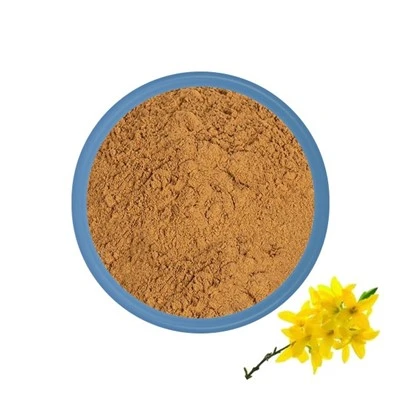
Ascorbyl Palmitate is an ester formed from ascorbic acid and palmitic acid creating a fat-soluble form of vitamin C. In addition to its use as a source of vitamin C, it is also used as an antioxidant food additive (E number E304). It is approved for use as a food additive in the EU, the U.S., Canada, Australia, and New Zealand.
Ascorbyl palmitate is also marketed as "vitamin C ester". It is synthesized by acylation of vitamin C using different acyl donors.
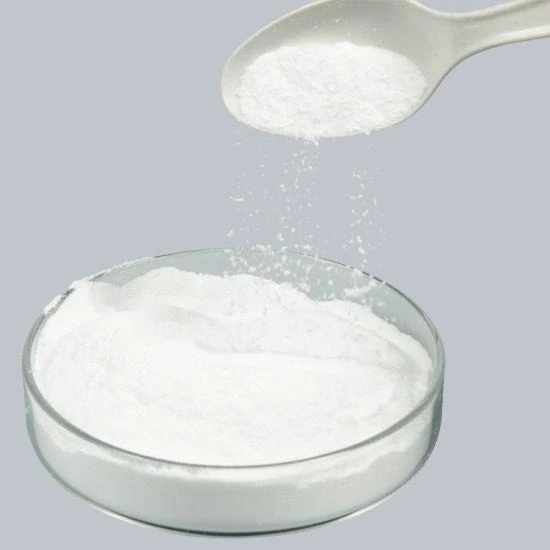
Potential Benefits of Ascorbyl Palmitate in Animal Feed
1. Support for Lipid Oxidation Management
Ascorbyl Palmitate may be considered as part of an antioxidant strategy for feeds and premixes containing fats and oils. Managing oxidation can help manufacturers maintain the quality of lipid ingredients during production and storage.
2. Compatibility with Fat-Containing Formulations
Its lipid-compatible structure makes Ascorbyl Palmitate relevant to formulations where oil-phase antioxidant protection is a consideration. This may be useful when developing feeds containing vegetable oils, marine oils, or other lipid ingredients.
3. Support for Feed Quality and Storage Programs
Oxidation management is one component of a broader feed-quality program. Ingredient selection, packaging, storage conditions, and manufacturing controls all contribute to maintaining product quality.
4. A Potential Component of Combined Antioxidant Systems
Feed manufacturers may evaluate Ascorbyl Palmitate alongside other antioxidants, such as tocopherols or approved synthetic antioxidants. The suitability of a combination should be established through formulation trials, stability testing, and applicable regulatory requirements.
Important distinction: Antioxidant activity in an ingredient or laboratory model does not automatically demonstrate improved animal growth, immunity, feed conversion, or health. Such animal-performance claims require relevant feeding trials.
Potential Applications Across Animal Feed Categories
Ascorbyl Palmitate may be relevant to research and formulation work across different feed categories, particularly where fat-containing ingredients require oxidation management.
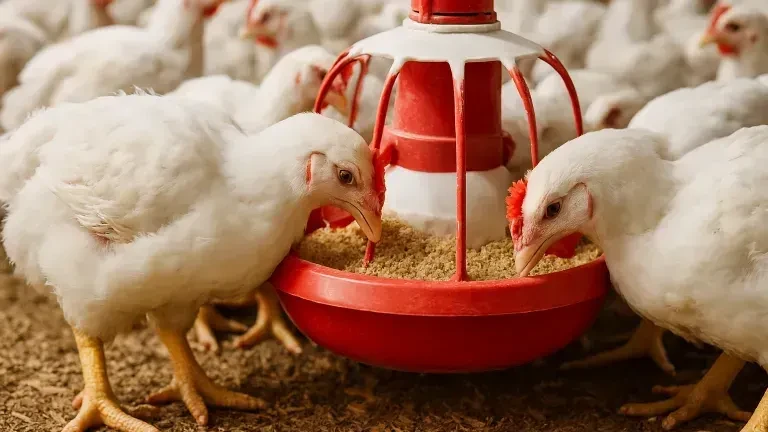
Poultry Feed
Poultry diets may include added oils and fats to meet energy requirements. Antioxidant strategies can help manufacturers manage the quality of these lipid ingredients during feed production and storage.
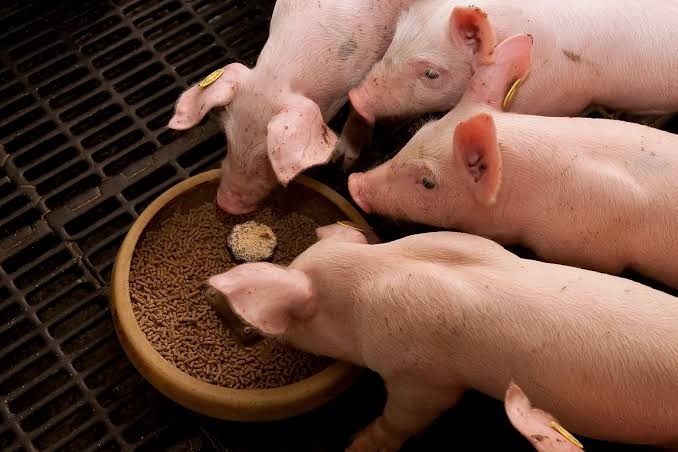
Swine Feed
Pig diets may contain vegetable oils and other fat sources. Feed producers can evaluate lipid-compatible antioxidants as part of their approach to protecting fat quality and maintaining formulation consistency.
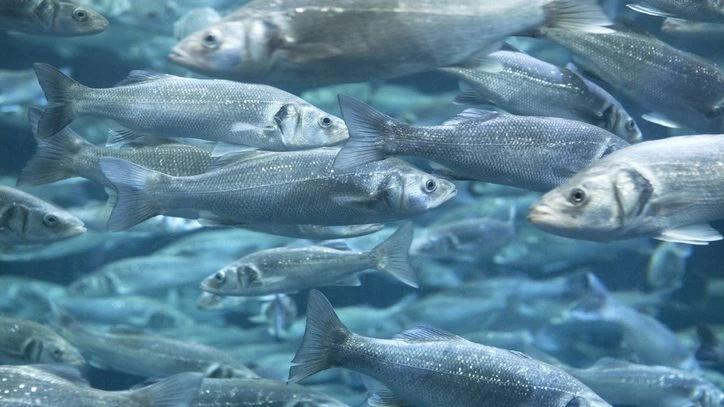
Aquaculture Feed
Aquafeeds may contain fish oil and other marine lipid ingredients that provide long-chain omega-3 fatty acids. Since some of these fatty acids are oxidation-sensitive, thus managing lipid quality is an important consideration in aquaculture feed manufacturing.
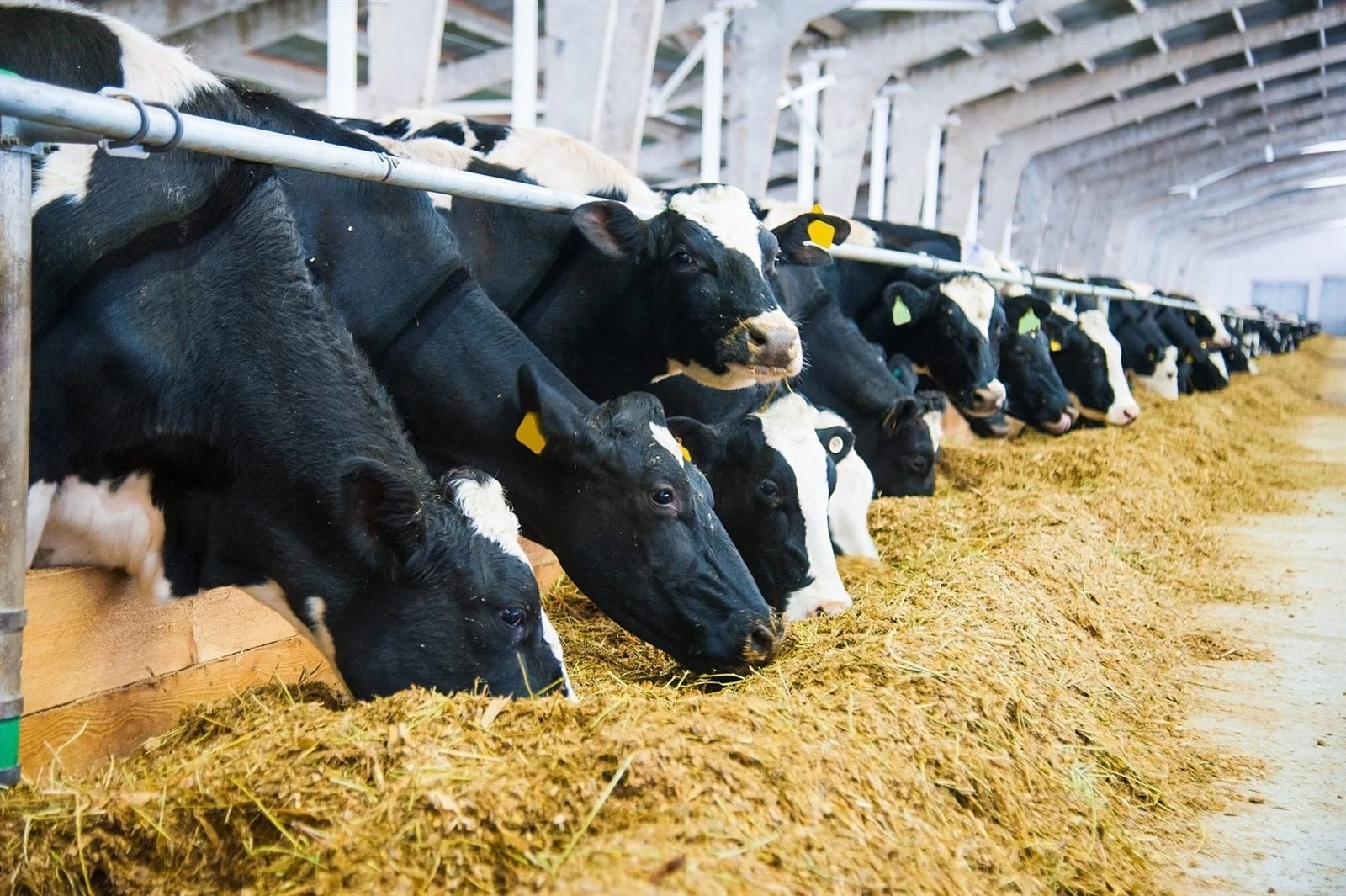
Livestock Feed
Ruminant and other livestock feed products may contain added fats or specialized premixes. The need for antioxidant protection depends on the ingredients, processing method, and intended storage conditions.
Ascorbyl Palmitate as an Antioxidant?
Ascorbyl Palmitate helps slow oxidation by interacting with reactive compounds that contribute to oxidative damage. Its combination of an ascorbic-acid-derived component and a fat-compatible fatty-acid chain makes it useful for formulations requiring fat-phase antioxidant protection.
However, its effectiveness depends on several factors, including fat quality, antioxidant concentration, processing temperature, oxygen exposure, storage conditions, and interactions with other ingredients. Manufacturers should test it under actual formulation and processing conditions to determine the appropriate inclusion level.
Ascorbyl Palmitate Compared with Other Antioxidants
Different antioxidants have different chemical properties and formulation roles. The right choice depends on the feed matrix, target application, regulatory status, and stability requirements.
|
Ingredient |
General characteristic |
Formulation consideration |
|
Ascorbyl Palmitate |
Lipid-compatible derivative of vitamin C |
May be considered for fat-containing systems |
|
Ascorbic Acid |
Water-soluble vitamin C |
Its suitability depends on the formulation and processing conditions |
|
Vitamin E (Tocopherols) |
Lipid-soluble antioxidant |
Commonly considered in lipid protection strategies |
|
BHT |
Synthetic antioxidant |
Use must follow applicable feed regulations and permitted conditions |
|
BHA |
Synthetic antioxidant |
Suitability depends on local authorization and formulation requirements |
These ingredients should not be treated as interchangeable. Their performance can differ depending on the type of fat, antioxidant system, processing conditions, and intended use.
Why Choose HJHERB Biotechnology?
HJHERB Biotechnology offers a wide range of products that are of high quality and value to a variety of industries, including the agricultural industry. It is imperative in creating the highest quality feed products for animals and even aquaculture and industrial cleaning products. All of the products at HJHERB are produced in a facility that is certified in the AFIA's Safe Feed/Safe Food Certification Program. Contact us by email: info@hjagrifeed.com
Website: https://hjagrifeed.com/
References and Further Reading
- Imran et al. (2024). "Ascorbyl Palmitate: A Comprehensive Review on Its Characteristics, Synthesis, Encapsulation and Applications." Process Biochemistry. https://doi.org/10.1016/j.procbio.2024.04.015
- Favarin et al. (2024). Research on liposomes loaded with ascorbic acid and Ascorbyl Palmitate. Food Chemistry. https://doi.org/10.1016/j.foodchem.2024.140569
- Research on enzymatically synthesized L-ascorbyl palmitate, antioxidant mechanisms, and tocopherol interactions (2024). Food Bioscience. https://doi.org/10.1016/j.fbio.2024.104160
- EFSA Panel on Additives and Products or Substances used in Animal Feed (FEEDAP). (2025). "Assessment of the feed additives consisting of ascorbic acid, sodium ascorbate, calcium ascorbate, ascorbyl palmitate and related compounds for the renewal of their authorisations." EFSA Journal, 23(10), e9695. https://doi.org/10.2903/j.efsa.2025.9695
- Rajasekaran et al. (2025). Research on Ascorbyl Palmitate and lipid oxidation in fish mince and shrimp oil. Journal of Food Science. https://doi.org/10.1111/1750-3841.70598
- "A New LC-MS/MS Method for the Determination of Ascorbyl Palmitate and Ascorbyl Stearate" (2025). Journal of AOAC INTERNATIONAL. https://doi.org/10.1093/jaoacint/qsaf069