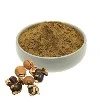
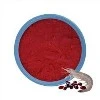
There is increasing concern in the aquaculture industry with regards to pigmentation, as it has directly been linked to the assessment of market value as well as perception of quality among fish and shrimp. Astaxanthin is powerful carotenoid pigment found essential in aquafeeds because of its ability to enhance coloration, health, and overall productivity. Thus, this article discusses the significance of astaxanthin as a natural enhancer of pigmentation in fish and shrimp culture, its merits, and how it improves pigmentation.

Understanding Astaxanthin: A Natural Carotenoid
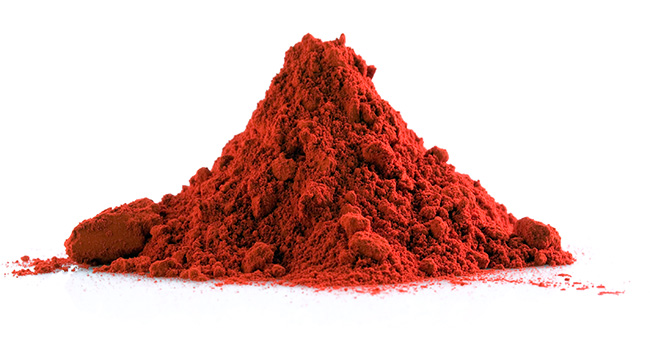
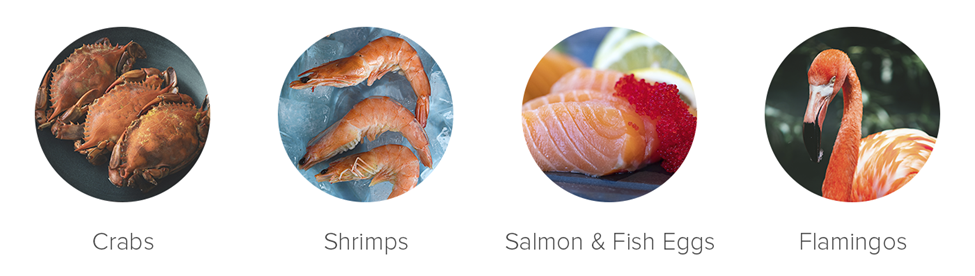
Astaxanthin is a naturally occurring carotenoid that is produced within microorganisms, photosynthetic plants, and marine organisms including algae, krill, and the shells of crustaceans. It is a deep red-orange color and is amongst the greatest antioxidants credited for a host of health benefits to aquatic species. What allows astaxanthin to improve pigmentation is related to how it facilitates the biosynthesis of red, orange, and yellow color in aquatic creatures.
Fish and shrimp cannot produce carotenoids in their bodies, but they acquire them through their diet. Thus, the supplementation of astaxanthin in their diet is critical for them to be colored brightly, especially in salmon, trout, and shrimp, whose coloration determines consumer acceptance and market price.
Understanding Pigmentation in Aquaculture
In aquaculture, pigmentation is important both biologically and commercially. Biologically, pigmentation is essential for camouflage, mating, and stress resistance. Commercially, intense coloration is an important factor in consumer purchasing decisions, especially for species such as salmon and shrimp, which are valued for their rich, natural hues.
For example, farmed salmon that appear dull or color unevenly are often rejected by buyers or sell at a lower price than their bright counterparts. In the case of shrimp, bright red or pink pigmentation is usually sold at a higher price in international markets, and this requires effective pigmentation strategies in aquaculture operations.

Utilizing Astaxanthin for Vibrant Pigmentation
Astaxanthin contributes to pigmentation by being deposited in the skin, muscle, and exoskeleton of aquatic organisms. When added to aquafeeds, astaxanthin is absorbed in the gastrointestinal tract and transported to tissues where it enhances coloration.
Astaxanthin is primarily deposited in the exoskeleton of shrimp, such that cooked shrimp exhibit a characteristic intense bright red color. Astaxanthin in salmonids gives a deep pink to orange-red color to the muscle, which is highly desired by consumers.
Mechanisms of Action Unlock
1. Color Intensity and Uniformity: This pigment increases the intensity and uniformity of pigmentation such that farmed fish and shrimp provide high aesthetic acceptability in the market.
2. High Bioavailability: Compared to other carotenoids, astaxanthin is highly bioavailable and easily absorbed into the body for subsequent deposition in tissues.
3. tioxidant Activity: Astaxanthin prevents cellular damage caused by oxidative stress, so the pigmentation will be vibrant and uniform, even in difficult farming conditions.

Discovering the Value of Astaxanthin in Aquaculture
1. Adding Value to the Market through Intensified Coloration
The ability of astaxanthin to produce intense, natural pigmentation directly influences the marketability of aquaculture products. More brightly colored fish and shrimp are considered more attractive by consumers, leading to greater demand and, in turn, profitability for farmers.
2. Enhancement of Health and Survival
Astaxanthin has both pigmentation and antioxidant properties that enhance immune function and reduce stress in aquatic species. These properties help in the better survival rate of stocks, which makes it a valuable additive in aquafeeds.
3. Sustainability and Consumer Preference
The source of natural astaxanthin, like Haematococcus pluvialis microalga, goes well with the demand of the consumer for more sustainable and environmentally friendly aquaculture production. This could also serve as a competitive advantage in clean-label and organic products-driven markets.
4. Consistency and Efficiency
It guarantees that any farmed batch of fish or shrimp has even coloration, a feature that controls the variability across aquaculture produce, and eventually ensures that product quality is excellent. Because this astaxanthin has bioavailability, trace amounts in animal feed will always lead to immense effects, providing farmers with their cheapest way for production.
Sourcing Astaxanthin Sources
Astaxanthin in aquaculture may be a product of a natural or artificial source.
1. Natural Origin of Astaxanthin:
Astaxanthin can come from microalgae (Haematococcus pluvialis), yeast (Phaffia rhodozyma) or crustaceans.
It is preferred for its higher bioavailability and sustainability.
2. Synthetic Astaxanthin: Alternative Method
Chemically produced and widely used in the aquaculture industry.
It is cheaper than natural astaxanthin but does not have the extra health benefits of natural sources.
Application of Astaxanthin in Aquaculture Practices
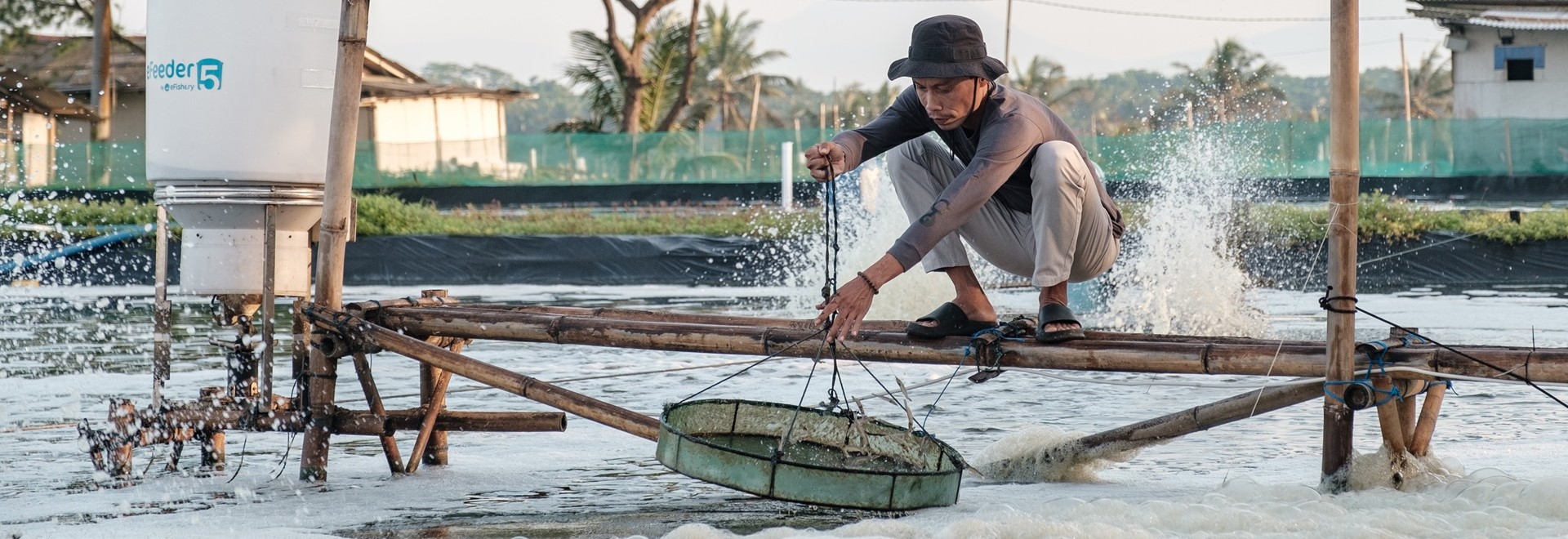
Astaxanthin is mainly added to aquafeeds for salmon, trout, shrimp, and ornamental fish. The inclusion rate and formulation depend on the species, level of pigmentation desired, and farming conditions.
1. Improving Salmonids' Identity Coloration:
Astaxanthin is used in feeds for salmon and trout to produce the pink to red muscle coloration that characterizes them. The inclusion rate varies between 40 and 100 mg/kg feed, depending on the pigmentation level desired.
2. Improving Shrimp Exoskeleton Pigments:
Astaxanthin is used to intensify the red coloration of the exoskeleton in shrimp, which appears more intense when cooked. Usual dosages range from 50 to 100 mg/kg feed.
3. Improving Ornamental Fish Colors
Astaxanthin is also used to intensify the bright colors of ornamental fish species such as koi, goldfish, and cichlids, which enhance their beauty.
While astaxanthin has many benefits, there are challenges to its use in aquaculture:
- Cost Control: Natural astaxanthin is much more expensive than synthetic versions, which could make it unappealing to some farmers.
- Stability: Carotenoids like astaxanthin can degrade at high temperatures and under intense light exposure, making it difficult to produce feed and store feed.
Future Developments and Opportunities
Developments in the areas of biotechnology and algae cultures will lower natural astaxanthin price as the next several years are coming ahead. Sourcing sustainably increases awareness, creating more consumers desirous for it.
Research is also being conducted on optimizing feed formulations and delivery methods for astaxanthin, which will make its applications more efficient and cost-effective in aquaculture. Encapsulation technologies and precision nutrition could further improve the stability and bioavailability of astaxanthin in feeds.
Conclusion
Astaxanthin is an indispensable tool for fish and shrimp farming, providing vibrant pigmentation that enhances market value while offering health benefits to aquatic species. As the aquaculture industry continues to grow, the demand for high-quality, sustainably produced astaxanthin will likely increase. By incorporating astaxanthin into aquafeeds, farmers can ensure consistent coloration, improved health, and greater profitability, meeting both industry standards and consumer expectations.
For astaxanthin powder there are different specifications for your choice, we can provide 10-30g of free samples, US warehouse in stock of 500kg of each month for the market of the global. certificate of analysis (COA), MSDS, specification sheet, pricing quotation is obtainable upon your request.
If you have any question or need any documents, welcome to contact us by e-mail: info@hjagrifeed.com