In the realm of aquaculture, the quest for optimal fish health and vibrant coloration continues to be a focal point for fish farmers and aquarists alike. One substance has emerged as a pivotal player in achieving these goals: astaxanthin. This carotenoid pigment, found primarily in microalgae and some seafood, is increasingly recognized for its role in enhancing both the aesthetics and the health of fish. In this blog post, we'll explore what astaxanthin is, its benefits for fish, its sources, and its implications in fish feed.

What is Astaxanthin and Why does it Matter?
Astaxanthin is a potent carotenoid pigment that makes many aquatic species appear reddish-orange in color and is obtained mainly from microalgae, such as Haematococcus pluvialis. It constitutes an essential ingredient in the diets of many species of fish that improve pigmentation, and it is used for multiple biological functions very important to aquaculture.
Key Benefits of Astaxanthin to Fish Nutrition
1. Improvement of Color Appearance: Aesthetics and Added Value to Product
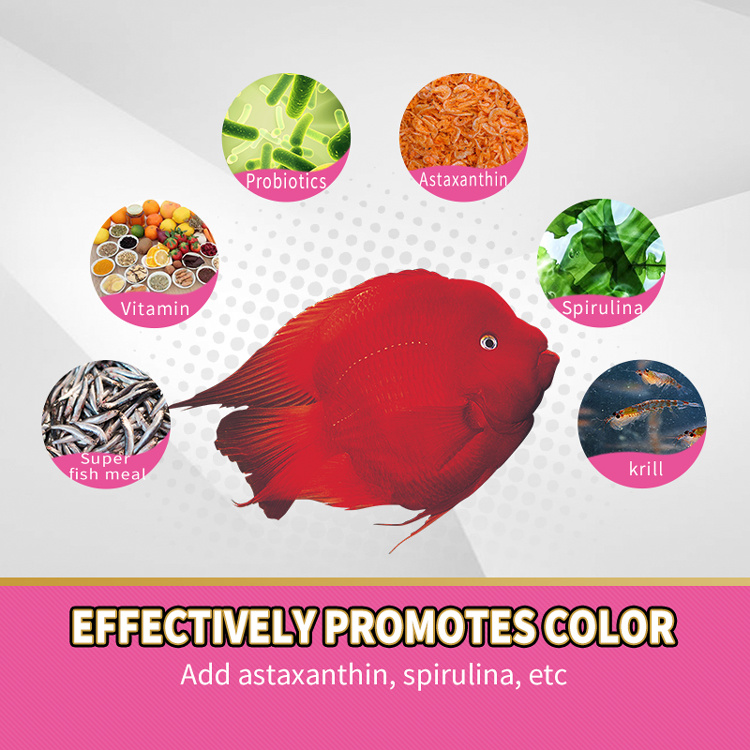
Astaxanthin has proven to significantly enhance the colouration of fish, such as salmon and trout. The vibrant colours of such fish prove attractive to the consumer but also act as an indicator of the health and quality of the fish. Such coloring can prove beneficial for marketability and consumer preference, which impacts selling prices and profitability for fish farmers.
2. Immune Response Enhancement: Health and Disease Resistance
The antioxidant nature of astaxanthin is significant in enhancing the immune system of fish. Astaxanthin has been shown to be effective in fighting oxidative stress, hence improving the survival ability of fish against diseases and infections, and thus healthier stocks with lower mortality rates. Aquaculture finds this immune boost very useful as fish are subjected to environmental and handling stresses.
3. Growth and Feed Efficiency
Diets enriched with astaxanthin have shown to improve growth rates and feed conversion rates (FCR) of fish. Essentially, it shows that fish feed more efficiently with feed conversion results in higher body mass gain as opposed to others. This will be important for aquaculture operations, especially since maximizing growth while minimizing cost is a must for economic viability.
4. Health Benefits for the Skin and Eyes
Astaxanthin contributes to the health of the skin and the eyes of fish as it protects from oxidative damage. Healthy skin is fundamental not only for total wellness but also for the value of aesthetics associated with fish. Improved ocular health aids better vision and increased responsiveness to its aquatic environment-the survival of the fish.
5. Enhancing reproductive performance
Astaxanthin is supposed to enhance the reproductive status of fish. At the appropriate level, it leads to good egg quality and a better survival rate for larvae. This factor is vital in sustainable aquaculture since it allows for continuous populations with a high standard of breeding.
Sources and Bioavailability of Astaxanthin
1. Natural Sources: Microalgae and Marine Ingredients
Natural ingredients provide most of the astaxanthin, but it is abundant in Haematococcus pluvialis. Many other marine species, including krill and shrimp, are good sources due to their diet of algae and phytoplankton, thus forming an excellent addition to fish feed.
2. Synthetic Astaxanthin: Economy and Quality
Synthetic astaxanthin is less expensive than the natural sources. It is chemically synthesized and has a uniform product. The nutritional benefits of natural versus synthetic astaxanthin remain in debate, making fish farmers to consider their specific needs and market expectations.

Practical Methods for Astaxanthin Supplementation in Fish Feed
1. Balanced Diet Formulation
Incorporating astaxanthin into fish feed requires careful formulation to ensure that all nutritional needs of the fish are met. The right balance of protein, carbohydrates, fats, and vitamins alongside astaxanthin is essential for maximizing its benefits while supporting overall fish health and optimal growth.
2. Cost-Benefit Analysis for Fish Farmers
There is the aspect of economic feasibility, where fish farmers need to determine whether it can be practically added to their feeds. Indeed, natural astaxanthin may be more expensive than synthetic ones, but there is hope for better quality fish, marketability, and growth rate and, therefore, evaluating the cost against potential return on investment is of essence.
3. Stability and Efficacy Storage and Processing Considerations
The processing and storage conditions of fish feed can have an impact on the effectiveness of astaxanthin. It is important to keep astaxanthin stable and bioavailable over the entire lifetime of the feed to ensure optimal health benefits and pigmentation effects.

Conclusion
Astaxanthin represents a vital component in fish nutrition, driving both health and aesthetic enhancements in aquaculture. By understanding its various benefits, sources, and practical applications, fish farmers can optimize their feeding strategies to foster vibrant, healthy fish populations. As the aquaculture industry increasingly focuses on sustainable practices and quality production, astaxanthin will undoubtedly remain a key player in promoting both fish welfare and market success.