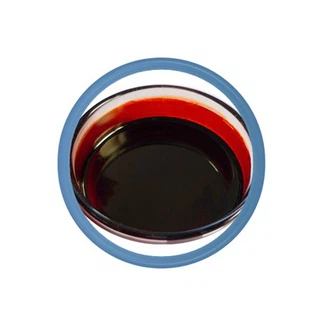
Astaxanthin has emerged as the star ingredient in animal nutrition owing to emerging demand for safe, natural, and efficient feed supplements. This powerful antioxidant is titled as the "King of Carotenoids" and has been strengthening immunity, growth, stress resistance, and overall performance in livestock, poultry, aquaculture species, and pets.
The astaxanthin that naturally occurs in microalgae, shrimp, krill, salmon, and crustaceans imparts color to seafood and extraordinary resistance to biological oxidation. It is now extensively included in modern feed formulations because of its excellent health and economic benefits in animal production.
What Makes Astaxanthin Special?
Astaxanthin is an antioxidant carotenoid with unmatched free-radical-scavenging power. Research shows it is:
- 6,000× stronger than Vitamin C
- 550× more potent than Vitamin E
- 10× more powerful than beta-carotene
- Able to cross the blood-brain and blood-retina barriers
This allows it to provide cellular protection, reduce inflammation, and enhance metabolic efficiency across multiple animal species.

Benefits of Astaxanthin for Livestock
Boosts Immunity and Stress Tolerance
Astaxanthin enhances immune organ function and supports antioxidant enzymes, helping animals resist disease and environmental stress.
It boosts:
- White blood cell activity
- Antioxidant enzyme levels (SOD, GSH-Px)
- Inflammatory control
Improves Reproductive Efficiency
- Better sperm motility and quality
- Enhanced ovarian and uterine function
- Higher conception and calving rates

Astaxanthin in Poultry Nutrition
Enhances Egg Quality and Fertility
- Higher yolk pigmentation and antioxidant capacity
- Improved hatchability and reproductive performance
- Better immune organ development
Supports Growth and Disease Resistance
- Faster weight gain
- Better feed conversion ratio (FCR)
- Reduced inflammatory response to disease challenges

Astaxanthin in Aquaculture
Astaxanthin is essential in aquaculture, especially for salmon, trout, shrimp, and ornamental fish.
Improves Pigmentation and Flesh Quality
- Rich red muscle color in salmon and trout
- Better flesh firmness and shelf life
Boosts Immunity and Growth
- Higher antioxidant enzyme activity
- Increased survival under stress
- Improved feed efficiency and growth rate

Benefits for Dogs and Cats
Astaxanthin is increasingly used in premium pet food and supplements due to its whole-body benefits.
Reduces Inflammation & Supports Joint Function
Helpful for:
- Arthritis and joint discomfort
- Aging pets requiring anti-inflammatory support
Protects Skin, Eyes, and Brain
- Enhanced skin and coat health
- Eye protection due to retinal antioxidant action
- Cognitive health benefits for aging pets

Production and Feed Efficiency Advantages
Astaxanthin improves:
| Benefit | Impact |
|---|---|
| Feed conversion ratio (FCR) | Animals utilize nutrients more efficiently |
| Muscle development | Better carcass quality |
| Heat and stress tolerance | Lower mortality under harsh conditions |
| Disease resistance | Reduced veterinary costs |
This makes astaxanthin economically valuable for commercial farms and aquaculture systems.

Natural vs. Synthetic Astaxanthin
| Type | Source | Application |
|---|---|---|
| Natural | Microalgae (Haematococcus pluvialis) | Superior bioactivity, used in premium feed & pet diets |
| Synthetic | Chemical origin | Common in aquaculture pigmenting, cost-efficient |
Natural astaxanthin offers higher antioxidant power and greater bioavailability, making it ideal for animal wellness nutrition.

Recommended Usage in Feed (General Guidelines)
| Species | Typical Inclusion Range |
|---|---|
| Pets | 5–20 mg/kg feed |
| Poultry | 5–15 mg/kg |
| Fish & Shrimp | 30–100 mg/kg |
| Livestock | 5–10 mg/kg |
Formulations vary by species & production goals-consult a nutritionist for custom feed planning.

Conclusion
Astaxanthin is more than a pigment-it is a high-value functional ingredient offering broad advantages for animal health, performance, and product quality.
Key benefits include:
- Better immunity and antioxidant defense
- Faster growth and improved feed efficiency
- Stronger reproductive performance
- Enhanced skin, egg, meat, and fish color quality
- Reduced inflammation and stress
- Greater survival and productivity in farming systems
From livestock and poultry to aquaculture and pets, astaxanthin is a powerful tool for sustainable and high-performance animal nutrition.
References
Zhang, R. et al. (2019). Effects of astaxanthin on antioxidant capacity and immune response in dairy cows. Journal of Dairy Science.
González, E. et al. (2020). Astaxanthin improves reproductive performance and yolk quality in laying hens. Poultry Science.
Niu, J. et al. (2021). Astaxanthin supplementation enhances growth, antioxidant activity, and immune response in shrimp and fish. Aquaculture Reports.
Park, J. S. et al. (2018). Astaxanthin enhances immune function in dogs. Journal of Veterinary Science.
Ambati, R. et al. (2019). Astaxanthin: Sources, extraction, stability, and health benefits. Marine Drugs.