Natural feed additives are becoming increasingly popular today in animal husbandry and the manufacture of animal feed due to industry players and feed millers seeking safer, environmentally friendly means of improving animal performance. Astaxanthin is a natural carotenoid pigment that has gained more and more global momentum among farmers, nutritionists, and feed millers. Already popularly recognized for pigmentation of salmon, shrimp, and flamingos pinkish-red, astaxanthin is rapidly coming to be recognized globally for its fruitful health advantage in cattle, poultry, pet animals, and aqua life.
This blog uncovers how astaxanthin is contributing towards growth, immunity, and health in animals and thus becomes a fruitful ingredient in today's day feed formulation.

What Is Astaxanthin?
Astaxanthin is one of the xanthophyll carotenoids that are naturally synthesized by microalgae (Haematococcus pluvialis) and transferred to animals which ingest it, such as fish and crustaceans. Astaxanthin is distinguished from other carotenoids in that it possesses a specific molecular structure containing oxygen groups, so its antioxidant activity is much higher.
The research has shown astaxanthin to be 10 times more potent than beta-carotene and 100 times more potent than vitamin E in their capacity to annihilate free radicals. Antioxidant activity is the driving factor for its capacity to function in helping to defend the cells against oxidative stress and inflammation-issues that directly impact the health, immunity, and growth of animals.
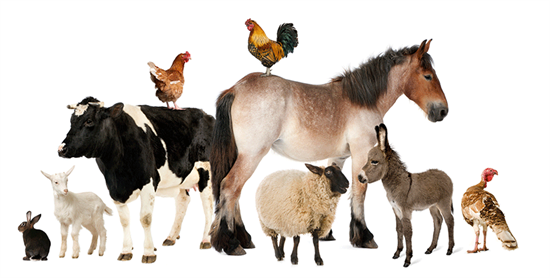
Astaxanthin and Animal Health
Animal well-being is greatly regulated by oxidative stress, which is when the body generates free radicals that exceed what it can eliminate. Chronic oxidative stress will result in tissue damage, infertility, metabolic disturbance, and chronic disease development.
Astaxanthin regulates animal well-being by:
- Regulating oxidative stress: By disarming deleterious free radicals, astaxanthin shields animal tissues like muscle, liver, and reproductive tissue.
- Maintenance of organ function: Investigations indicated that dietary astaxanthin enhances liver and cardiac health in livestock and lowers the risk of metabolic disease.
- Enhancing fertility: Reproductive ability was compromised due to oxidative damage in livestock. Astaxanthin supplementation has been associated with enhanced semen quality in humans and increased egg laying in poultry.
For example, poultry research confirmed that astaxanthin supplemented dietary supplementation to hens enhanced reproductive performance and egg quality. In turn, astaxanthin supplemented aquaculture fish had enhanced liver function and stress resistance.

Astaxanthin and Immunity
Specific immunity is needed to allow animals to be able to respond to disease, particularly in intensive high-stress production where there is constant challenge from pathogens and extreme stress. Astaxanthin boosts immunity in a variety of ways:
- Activation of immune cell function: Experimental evidence indicates that astaxanthin enhances proliferation of lymphocytes and natural killer (NK) cell and macrophage activity important in host defense against infection.
- Anti-inflammatory: Protracted inflammation compromises immunity in animals. Astaxanthin controls inflammatory cascades by inhibiting pro-inflammatory cytokines and maintaining immune homeostasis.
- Immunoenhancement and vaccine adjuvancy: Some studies demonstrate that astaxanthin supplementing enhances antibody titers after immunization and enhances the efficiency of immunization.
Astaxanthin-supplemented broiler chickens, for example, exhibited an elevated immune response to each pathogen. Likewise, in aquaculture, astaxanthin-fed fish and shrimp also showed enhanced resistance to bacterial and viral infection.

Astaxanthin and Growth Performance
Animal husbandry is based on growth performance, and nutrition takes priority. Astaxanthin triggers enhanced growth results because of its double health as well as antioxidant activity.
Better feed conversion ratio (FCR): Less nutrient loss in sick animals and astaxanthin protects against oxidative damage to the gut for better utilization of nutrients.
Better muscle growth: With protection against muscle damage from oxidative stress, astaxanthin aids in lean growth as well as better meat quality.
Better stress resistance: Heat stress, transport stress, and stock density stress affect animal growth. Astaxanthin renders animals better equipped to resist such stresses and minimize loss in growth.
In tilapia, trout, and salmon in aquaculture, astaxanthin-fed fish showed improved growth rate, improved coloration, and improved feed conversion. In broilers, astaxanthin-fed broilers had improved body weight and improved carcass quality at slaughter.
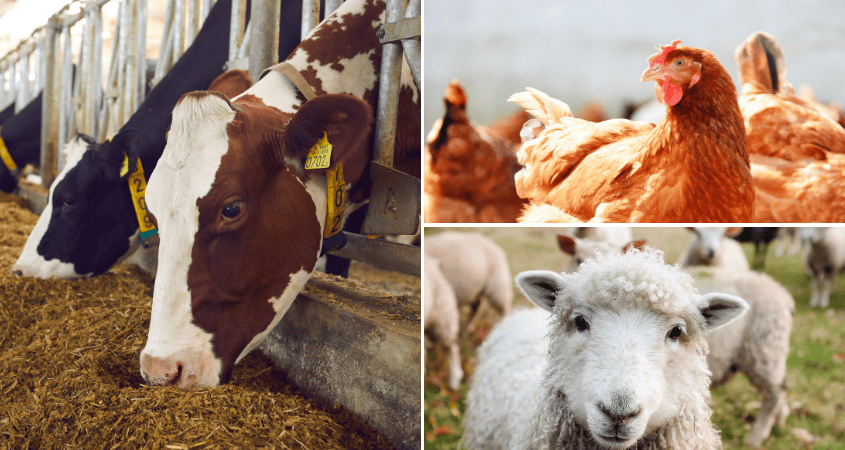
Astaxanthin Species-Specific Benefits
Poultry
- Naturally promotes egg yolk pigmentation.
- Improves egg laying and fertility.
- Stimulates immune defense against coccidiosis and respiratory infection.
Livestock (Cattle, Pigs, Sheep)
- Improves reproductive health and semen quality.
- Improves protection against oxidative stress during lactation.
- Improve growth performance and feed efficiency.
Aquaculture (Fish & Shrimp)
- Makes fish more flavorful.
- Improves resistance to stress and survival.
- Prevents disease and infection, lowering disease incidence.
Pets (Dogs & Cats)
- Maintains healthy joints by stopping inflammation.
- Antioxidizes eyes and skin.
- Improves vitality and life span overall.
Sustainability Benefit of Astaxanthin
In addition to its direct health effect, astaxanthin also finds application in sustainable agriculture. Since it decreases the usage of chemical additives and synthetic antibiotics, it offers a natural, green solution that ensures animal welfare as well as consumer demand for clean, natural foodstuffs.
Microalgae cultivation of astaxanthin is also environmentally friendly since it makes use of renewable resources and does not strain aquatic ecosystems. This aligns with the international pattern towards greener agriculture.

Conclusion
Astaxanthin is more than a natural coloring agent-it's a superb antioxidant and health-promoting molecule that increases animal welfare, immunity, and development. By inhibiting oxidative stress, regulating inflammation, and activating immune function, astaxanthin enables animals to perform at their peak under regular and exacerbated production conditions.
References
Ambati, R. R., Phang, S. M., Ravi, S., & Aswathanarayana, R. G. (2014). Astaxanthin: Sources, extraction, stability, biological activities and its commercial applications-A review. Marine Drugs, 12(1), 128–152. https://doi.org/10.3390/md12010128
Park, J. S., Chyun, J. H., Kim, Y. K., Line, L. L., & Chew, B. P. (2010). Astaxanthin decreased oxidative stress and inflammation and enhanced immune response in humans. Nutrition & Metabolism, 7, 18. https://doi.org/10.1186/1743-7075-7-18
Hussein, G., Sankawa, U., Goto, H., Matsumoto, K., & Watanabe, H. (2006). Astaxanthin, a carotenoid with potential in human health and nutrition. Journal of Natural Products, 69(3), 443–449. https://doi.org/10.1021/np050354+
Lin, Y. J., Chen, C. Y., & Cheng, H. H. (2019). Dietary supplementation with astaxanthin improves antioxidant capacity, immune response, and growth performance in broiler chickens. Poultry Science, 98(10), 5092–5100. https://doi.org/10.3382/ps/pez299
Naguib, Y. M. A. (2000). Antioxidant activities of astaxanthin and related carotenoids. Journal of Agricultural and Food Chemistry, 48(4), 1150–1154. https://doi.org/10.1021/jf991106k
Pérez-Gálvez, A., & Minguez-Mosquera, M. I. (2005). Esterification of xanthophylls and its effect on chemical behavior and bioavailability of carotenoids in the human. Nutrition Research, 25(7), 631–640. https://doi.org/10.1016/j.nutres.2005.06.013
Yuan, J. P., Peng, J., Yin, K., & Wang, J. H. (2011). Potential health-promoting effects of astaxanthin: A high-value carotenoid mostly from microalgae. Molecular Nutrition & Food Research, 55(1), 150–165. https://doi.org/10.1002/mnfr.201000414
Zhang, L., Wang, H., Wang, T., & Jiang, X. (2014). Astaxanthin supplementation improves growth performance, antioxidant status, and immunity in aquaculture species. Aquaculture Nutrition, 20(2), 169–178. https://doi.org/10.1111/anu.12062