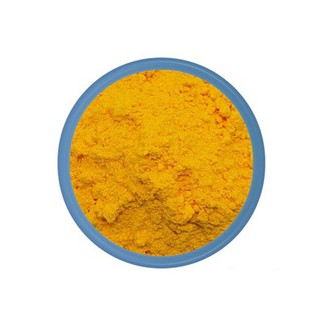
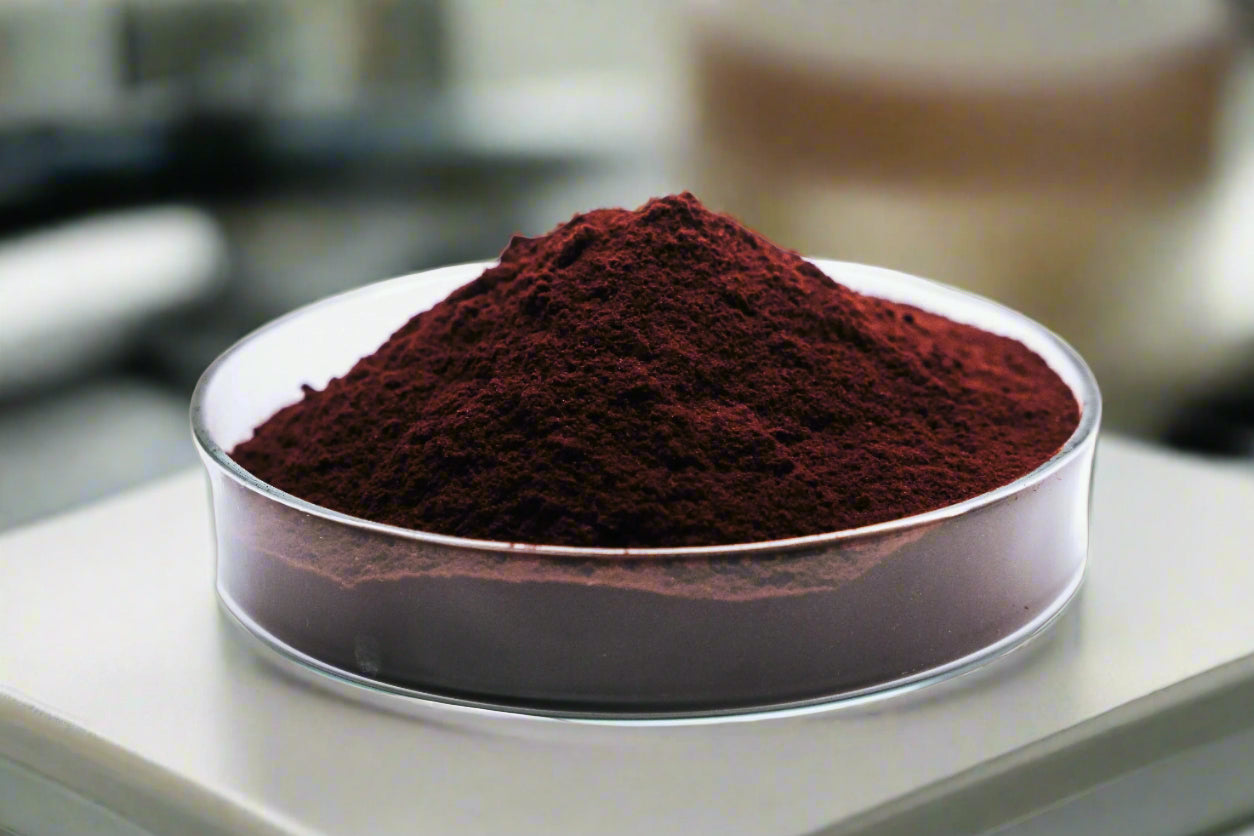
Astaxanthin is a natural carotenoid pigment present in microalgae, krill, shrimp, and salmon as the most potent natural carotenoid. Astaxanthin has also been known as the "king of antioxidants." Astaxanthin is increasingly gaining popularity in pet foods because it helps to increase the overall health, wellness, and energy level of dogs and cats. Unlike unnatural molecules found in man-made supplements, astaxanthin is a natural molecule that forms strong antioxidant, anti-inflammatory, and immune system-exciting action without any kind of side effects.
In this blog, we'll explore how astaxanthin works, why it's beneficial for pets, and how it can be incorporated safely into their diets.

What Is Astaxanthin?
Astaxanthin is a carotenoid that is liposoluble and is a member of the same family of carotenoids as lutein, zeaxanthin, and beta-carotene. Astaxanthin is exponentially more powerful than almost all other carotenoids against free radicals, however. Astaxanthin has been calculated to be as much as 6,000 times stronger than vitamin C, 800 times stronger than CoQ10, and 550 times stronger than vitamin E as an antioxidant (Yuan et al., 2011).
Because of its unique molecular structure, astaxanthin crosses blood-brain barrier and blood-retinal barrier and carries protecting effect to brain, eyes, and nervous system. Because of that, it will be of greatest benefit to aging companion animals and those with vulnerability to degenerative disease.
Top Advantages of Astaxanthin for Dogs and Cats
1. Super Antioxidant Protection
Pets are exposed to oxidative stress by age, toxins, chemicals, and diet. Astaxanthin eradicates free radicals and lowers cell damage and aging. It is most beneficial in older dogs and cats because oxidative stress leads to degeneration of the joints, loss of eyesight, and inflammation.
2. Anti-Inflammatory Properties
The root of nearly all disease in animals, including arthritis, skin allergy, and gastrointestinal illness, is low-grade chronic inflammation. Astaxanthin suppresses naturally occurring inflammation by blocking pro-inflammatory cytokines and oxidative stress markers (Ambati et al., 2014). To arthritic joint-stiffness dogs or inflammatory bowel disease-susceptible cats, it would mean greater mobility and ease.
3. Promotes Eye and Vision Health
Both cats and dogs highly rely on acute sight. Astaxanthin regulates the eyes by possessing the power to cross the blood-retinal barrier and prevent the oxidative stress of the eye tissue. It has been shown to prevent eyes degeneration with age and improve retinal function (Shimidzu et al., 1996).
4. Promotes Skin and Coat Health
Healthy animals glow with healthy skin and shiny coats. Astaxanthin boosts the strength of skin against damage from UV, elasticity, and the water content. Its antioxidant property inhibits inflammation and itch due to allergic reactions and allows animals to have healthy, shiny coats.
5. Supports Immune Function
Astaxanthin has also been shown to enhance immune function by increasing the activity of T-cells and natural killer cells (Park et al., 2010). This can be particularly useful when convalescing animals from disease, surgery, or long-term illness.
6. Preserves Joint and Muscle Function
For athletic dogs, high-energy breeds, and older animals, joint and musculoskeletal health comes first. Astaxanthin suppresses muscle oxidative damage, enhances endurance, mobility, and exercise recovery. It suppresses cartilage and joint fluid damage, reduces pain and stiffness.
7. Maintains Brain and Nervous System Function
Because astaxanthin penetrates the blood-brain barrier, theoretically speaking, neurons are protected from damage caused by oxidation, and cognitive aging in aged animals is slowed down. All of these will improve memory, learning, and concentration in older cats and dogs.
Astaxanthin Use in Pet Foods
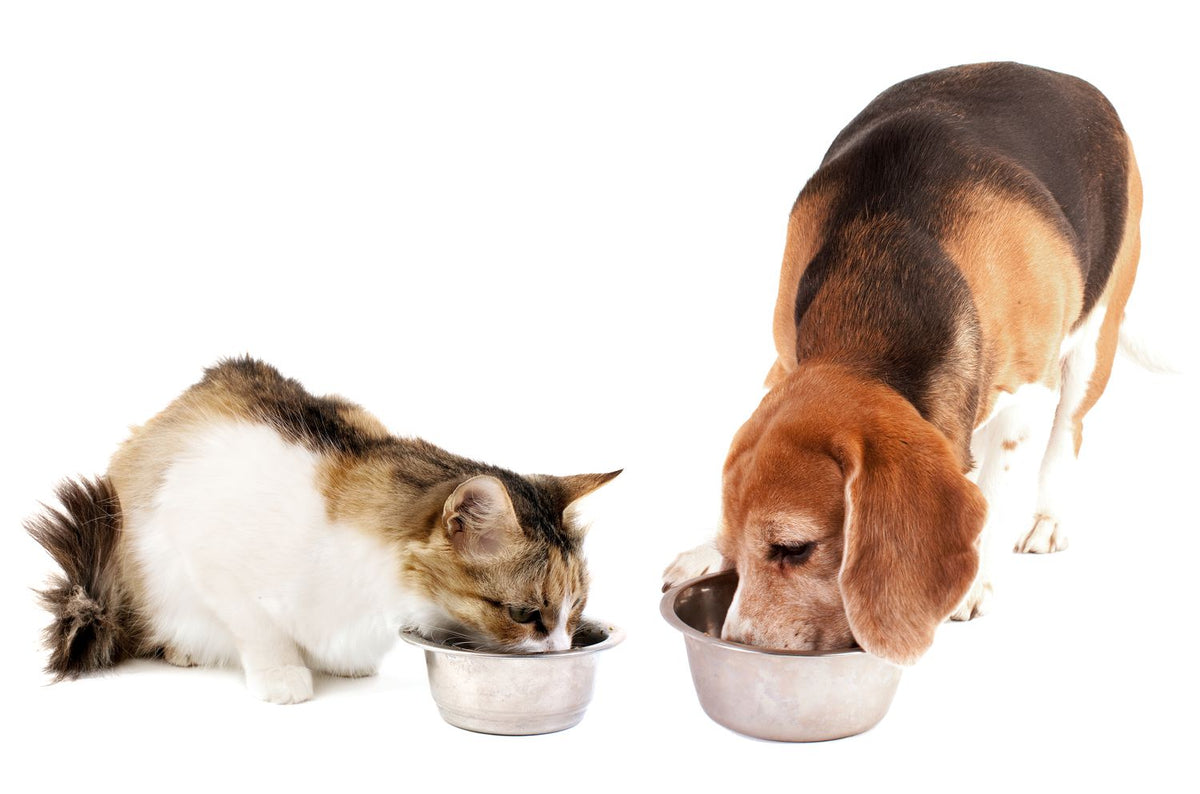
Astaxanthin finds extensive use in premium pet supplements, functional chews, and high-quality pet foods. Typical forms employed include:
- Powder (to be blended with food or chews)
- Capsules/Softgels (for precision of dosage delivery)
- Oil concentrates (most often krill or algae)
In dogs, astaxanthin would be incorporated into joint supplement products or skin and coat products. In cats, it would be incorporated into immune support and vision products.

Dosage and Safety
Astaxanthin is safe for cats and dogs to consume in the correct dosages. Pets were able to tolerate it with few side effects, according to studies.
- Dogs: Usually 1–5 mg daily based on body weight.
- Cats: Usually 1–2 mg daily.
Astaxanthin being lipid-soluble, one would take it with a healthy fat food so it is absorbed properly.
Pet owners always check with a vet first before supplementing, especially in animals with prior health issues or on medication.

Last Words
Astaxanthin is a carotenoid-its a natural dynamo that imposes health, vigor, and longevity on animals. From boosted immunity and eye protection to joint health, brain function, and luscious healthy coat, it's one of the most exciting natural supplements out there for dogs and cats.
As increasing numbers of pet owners realize that they need natural and holistic methods towards health, astaxanthin will be taking an ever-more important role in the pet diet. Using it as an addition to your pet's diet can be an excellent option in attempting to provide them with long-term happiness and health.
References
Ambati, R. R., Phang, S. M., Ravi, S., & Aswathanarayana, R. G. (2014). Astaxanthin: Sources, extraction, stability, biological activities and its commercial applications-A review. Marine Drugs, 12(1), 128–152. https://doi.org/10.3390/md12010128
Park, J. S., Chyun, J. H., Kim, Y. K., Line, L. L., & Chew, B. P. (2010). Astaxanthin decreased oxidative stress and inflammation and enhanced immune response in humans. Nutrition & Metabolism, 7, 18. https://doi.org/10.1186/1743-7075-7-18
Shimidzu, N., Goto, M., & Miki, W. (1996). Carotenoids as singlet oxygen quenchers in marine organisms. Fisheries Science, 62(1), 134–137. https://doi.org/10.2331/fishsci.62.134
Yuan, J. P., Peng, J., Yin, K., & Wang, J. H. (2011). Potential health-promoting effects of astaxanthin: A high-value carotenoid mostly from microalgae. Molecular Nutrition & Food Research, 55(1), 150–165. https://doi.org/10.1002/mnfr.201000414