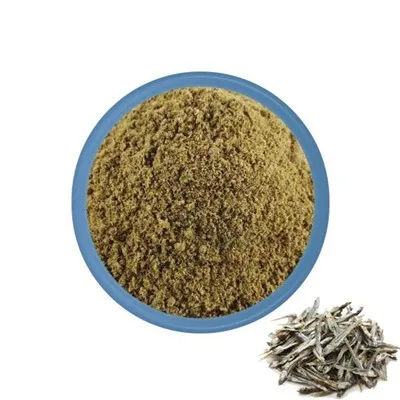
Astaxanthin is a keto-carotenoid within a group of chemical compounds known as carotenoids, a subclass of the broad group of phytochemicals known as terpenes. Astaxanthin is a metabolite of zeaxanthin and canthaxanthin, containing both hydroxyl and ketone functional groups.
It is a lipid-soluble pigment with red coloring properties, which result from the extended chain of conjugated (alternating double and single) double bonds at the center of the compound. The presence of the hydroxyl functional groups and the hydrophobic hydrocarbons render the molecule amphiphilic.
Astaxanthin is produced naturally in the freshwater microalgae Haematococcus pluvialis, the yeast fungus Xanthophyllomyces dendrorhous (also known as Phaffia rhodozyma) and the bacteria Paracoccus carotinifaciens. When the algae are stressed by lack of nutrients, increased salinity, or excessive sunshine, they create astaxanthin. Animals who feed on the algae, such as salmon, red trout, red sea bream, flamingos, and crustaceans (shrimp, krill, crab, lobster, and crayfish), subsequently reflect the red-orange astaxanthin pigmentation.
Astaxanthin is used as a dietary supplement for human, animal, and aquaculture consumption. Astaxanthin from algae, synthetic and bacterial sources is generally recognized as safe in the United States. The US Food and Drug Administration has approved astaxanthin as a food coloring (or color additive) for specific uses in animal and fish foods. The European Commission considers it as a food dye with E number E161j. The European Food Safety Authority has set an Acceptable Daily Intake of 0.2 mg per kg body weight, as of 2019. As a food color additive, astaxanthin and astaxanthin dimethyldisuccinate are restricted for use in Salmonid fish feed only.
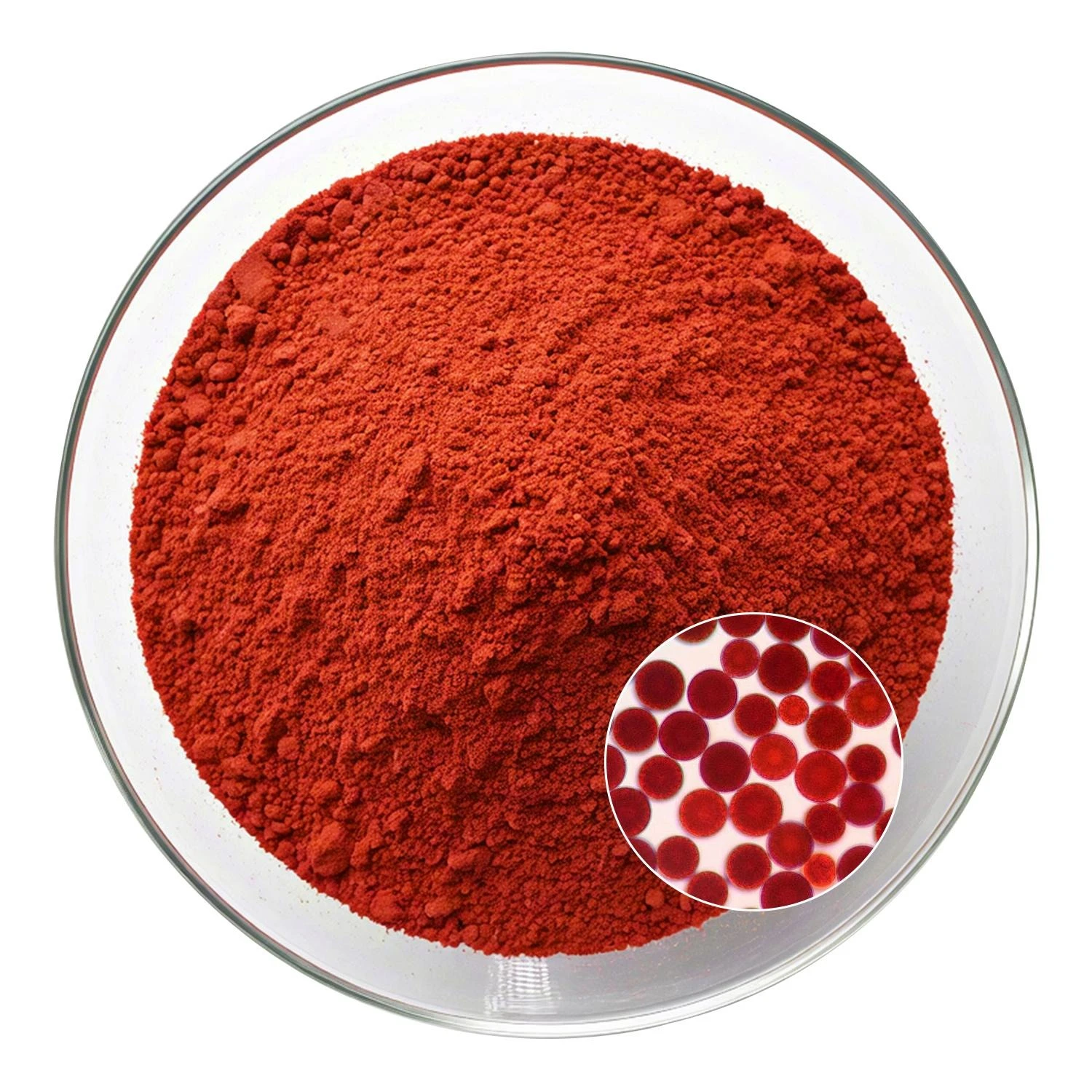
Key Benefits of Astaxanthin in Animal Feed
Astaxanthin is studied for its pigmentation, antioxidant and functional benefits in animal nutrition. Its effects depend on species, dosage, feed composition and production conditions.
1. Supports Natural Pigmentation
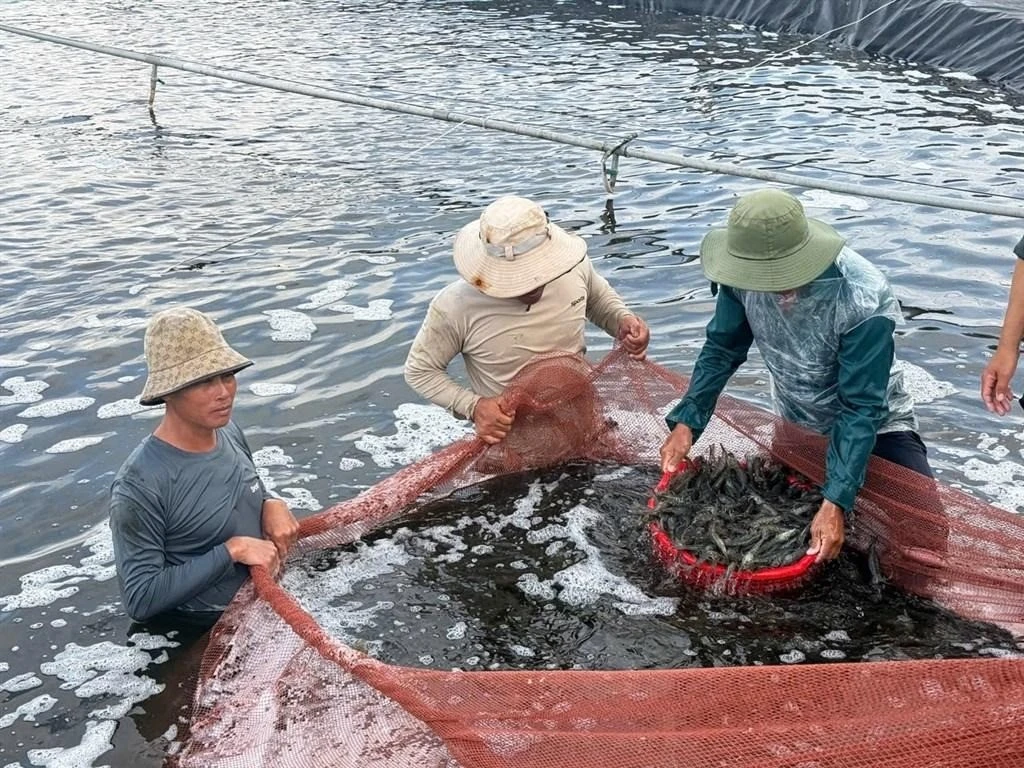
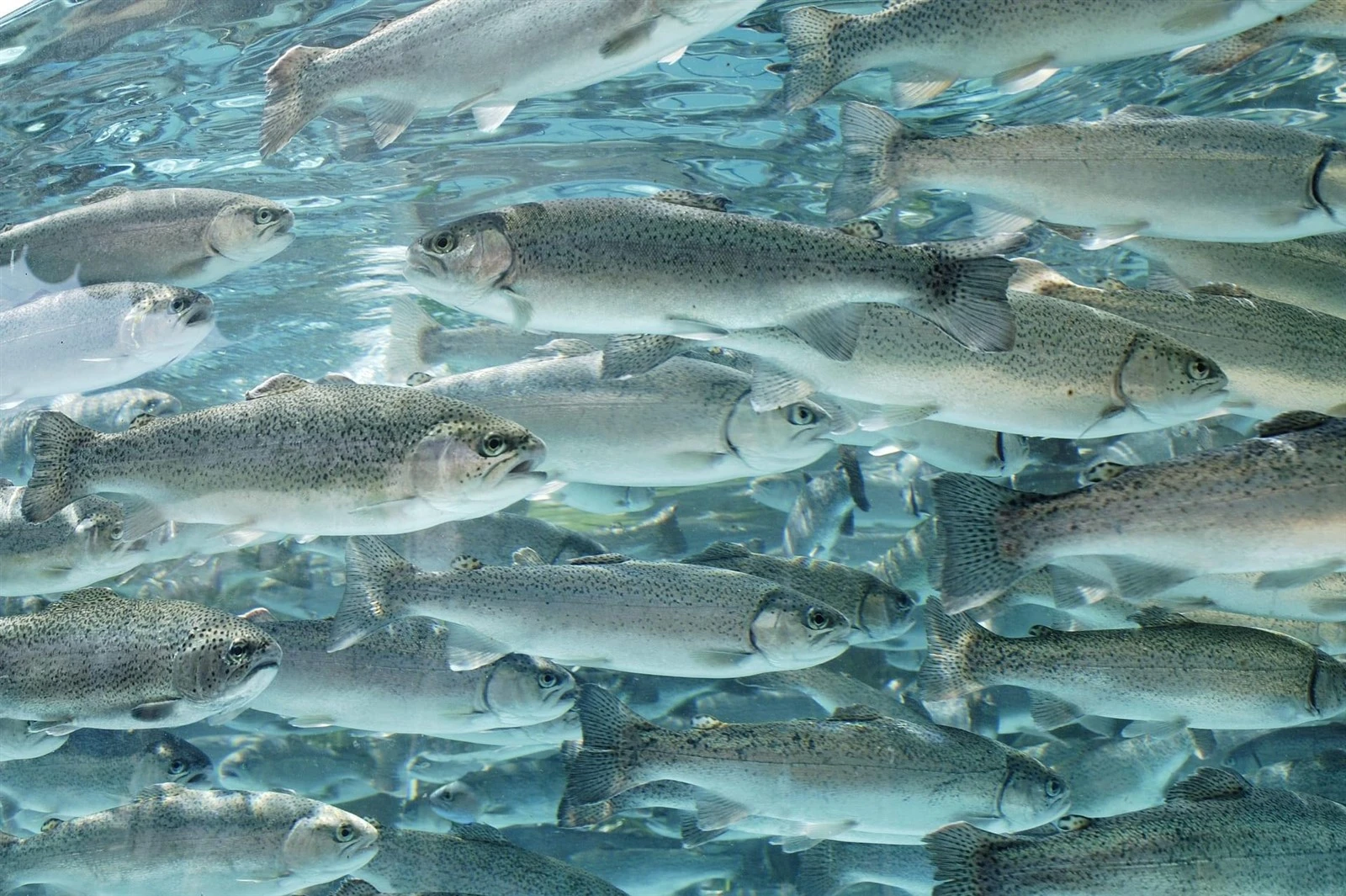
Astaxanthin is widely used in aquaculture to enhance natural pigmentation. Salmon and trout obtain this carotenoid through their diet to develop their characteristic pink flesh. In shrimp and other crustaceans, it also contributes to natural coloration. While consistent pigmentation can improve product appearance and market acceptance.
2. Provides Antioxidant Activity
Astaxanthin has antioxidant properties that may help protect cells against oxidative damage caused by environmental and metabolic stress.
Animal studies have reported improvements in antioxidant indicators, including total antioxidant capacity and superoxide dismutase activity. A 2025 study in yellow-feathered broilers also reported positive changes in several antioxidant indicators following supplementation.
3. May Support Immune Function
Research in poultry and aquaculture has investigated astaxanthin's effects on immune-related indicators and stress responses. In 2025, broiler study by Gu and colleagues reported changes in selected immune markers following dietary supplementation. These findings suggest potential functional benefits, although astaxanthin is not a medicine or replacement for proper disease management.
4. May Improve Meat Quality Indicators
Astaxanthin has also been studied for its potential effects on animal product quality. In the 2025 broiler study, supplementation was associated with changes in muscle color and drip loss. In aquaculture, pigmentation and muscle quality are also important research areas.
5. May Support Growth and Feed Utilization in Aquaculture
A 2025 meta-analysis reviewed astaxanthin supplementation in aquaculture, examining growth performance, feed utilization, antioxidant capacity and immune function.
The findings support further research into astaxanthin as a functional aquafeed ingredient. However, results vary by species, inclusion level and feeding conditions, so improved growth or feed conversion is not guaranteed.
Applications of Astaxanthin Across Animal Species
1. Astaxanthin in Aquaculture Feed
Aquaculture is one of the main applications of astaxanthin, particularly in feeds for salmon, rainbow trout, shrimp and ornamental fish.
In salmon and trout, astaxanthin is widely used for pigmentation and is also studied for its potential antioxidant and physiological benefits. In shrimp, carotenoid supplementation may support pigmentation and nutritional management.
Feed manufacturers should select suitable astaxanthin sources and concentrations based on species requirements, regulations and product specifications.
2. Astaxanthin in Poultry Feed
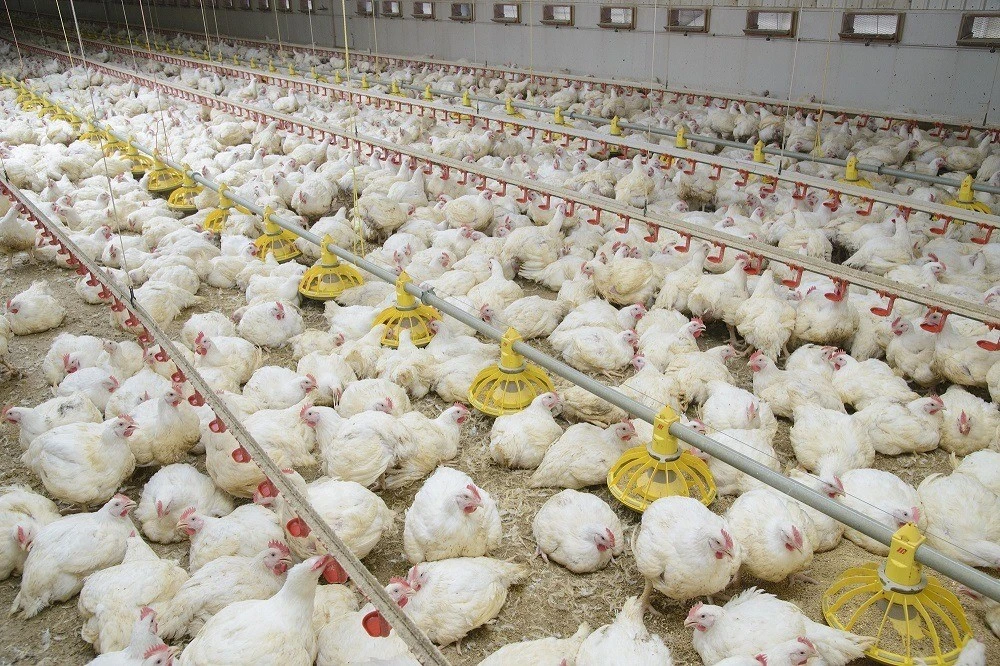
Astaxanthin is also being studied in poultry nutrition for its potential effects on antioxidant capacity, immune function, gut microbiota and meat quality.
A 2025 study by Gu and colleagues evaluated dietary levels of 20, 40 and 80 mg/kg in yellow-feathered broilers, reporting improvements in several antioxidant, immune-related and meat-quality indicators.
However, results may vary across bird types and production conditions. Astaxanthin should complement, not replace, balanced nutrition and proper farm management.
3. Astaxanthin in Livestock Feed
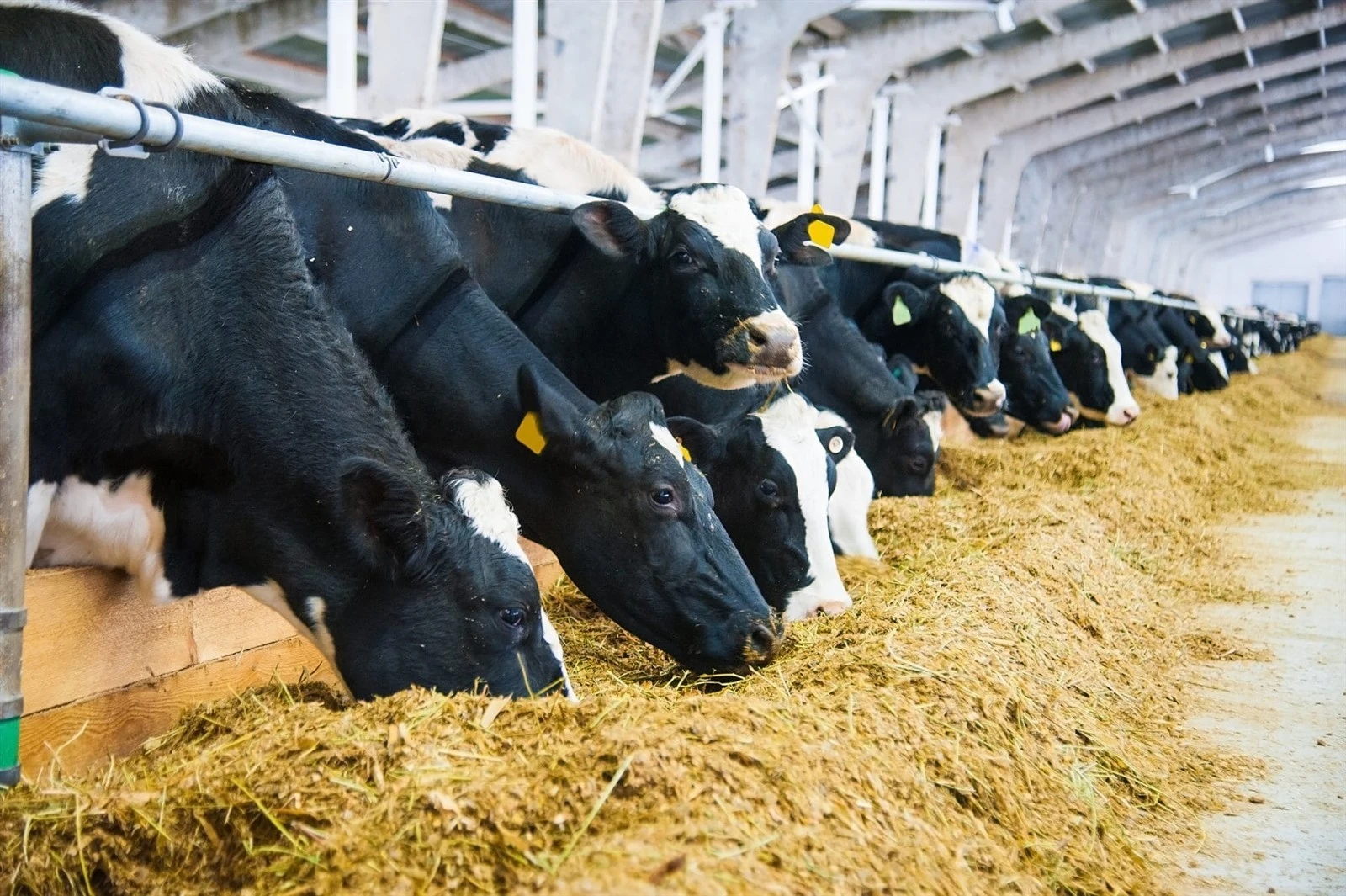
Astaxanthin is gaining research interest in livestock nutrition, although evidence remains less established than in aquaculture and poultry.
For cattle, pigs, sheep and other livestock, producers should consider species-specific research, feeding data and regulatory approval. Results from fish, shrimp or poultry studies should not be directly assumed to apply to other livestock species.
What Does Recent Research Say About Astaxanthin?
Recent research highlights astaxanthin's potential applications in aquaculture, poultry nutrition and feed ingredient delivery.
Key studies include:
1. Aquaculture Growth and Feed Utilization – 2025
Li and colleagues published a meta-analysis evaluating astaxanthin's effects on growth, feed utilization, antioxidant capacity and immune responses in aquaculture animals.
2. Astaxanthin and Broiler Health – 2025
Gu and colleagues investigated astaxanthin in yellow-feathered broilers, reporting changes in antioxidant capacity, immune indicators, gut microbiota and meat quality.
3. Encapsulation and Ingredient Utilization – 2025
Vitale and colleagues reviewed encapsulation technologies that may improve astaxanthin stability, delivery and utilization in functional feed applications.
These studies highlight astaxanthin's potential in animal nutrition, but optimal inclusion rates depend on species, product specifications, feeding conditions and relevant trials.
Why Choose HJHERB Biotechnology?
HJHERB Biotechnology offers a wide range of products that are of high quality and value to a variety of industries, including the agricultural industry. It is imperative in creating the highest quality feed products for animals and even aquaculture and industrial cleaning products. All of the products at HJHERB are produced in a facility that is certified in the AFIA's Safe Feed/Safe Food Certification Program. Contact us by email: info@hjagrifeed.com
Website: https://hjagrifeed.com/