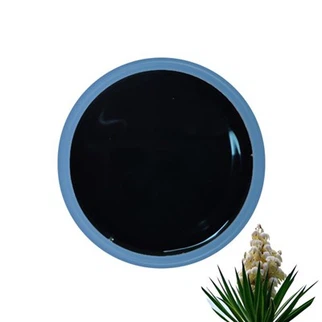
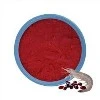
Astaxanthin is one of the most powerful natural antioxidants and has traditionally been referred to as the "king of carotenoids." Astaxanthin, a red pigment, is found in microalgae, krill, shrimp, and salmon and has become increasingly important in human and animal diet. Astaxanthin was recently included in animal feed ingredients, and it provides multiple health and performance benefits.
But why is astaxanthin so vital to animal nutrition and health? Let's have a look at how this natural pigment is contributing to the health of livestock, poultry, aquaculture, and pets.

What Is Astaxanthin?
Astaxanthin is one of the carotenoid pigments of natural origin in the xanthophyll group. Natural astaxanthin, unlike pigments artificially synthesized, is produced by microalgae Haematococcus pluvialis in significant amounts or is found in krill and other sea creatures. Its deep red-orange color also explains the plumage of salmon, shrimp, and flamingos.
What distinguishes astaxanthin is the fact that it possesses an unsurpassed antioxidant activity-6000 times greater than vitamin C and 100 times more than vitamin E in the elimination of harmful free radicals. Its remarkable activity has thrust it as an elite ingredient in functional foods and animal nutrition.
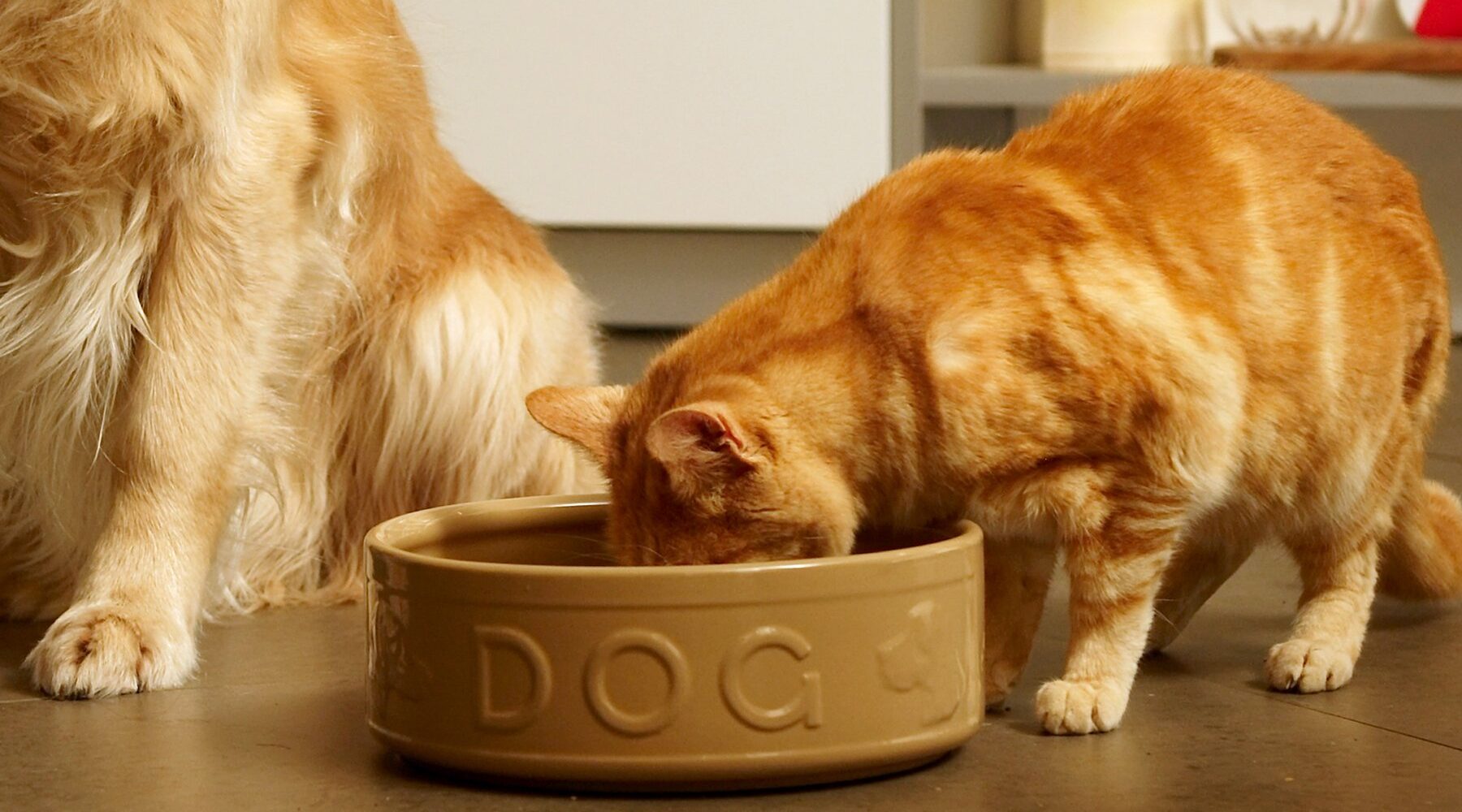
The Role of Astaxanthin in Animal Nutrition
Although added to the animal diet for color, astaxanthin has additional roles in supporting immunity, growth, reproduction, stress resistance, and general health in several species. As a nutritional supplement as well as a natural pigment, it becomes very valuable for sustainable animal production and pet food.
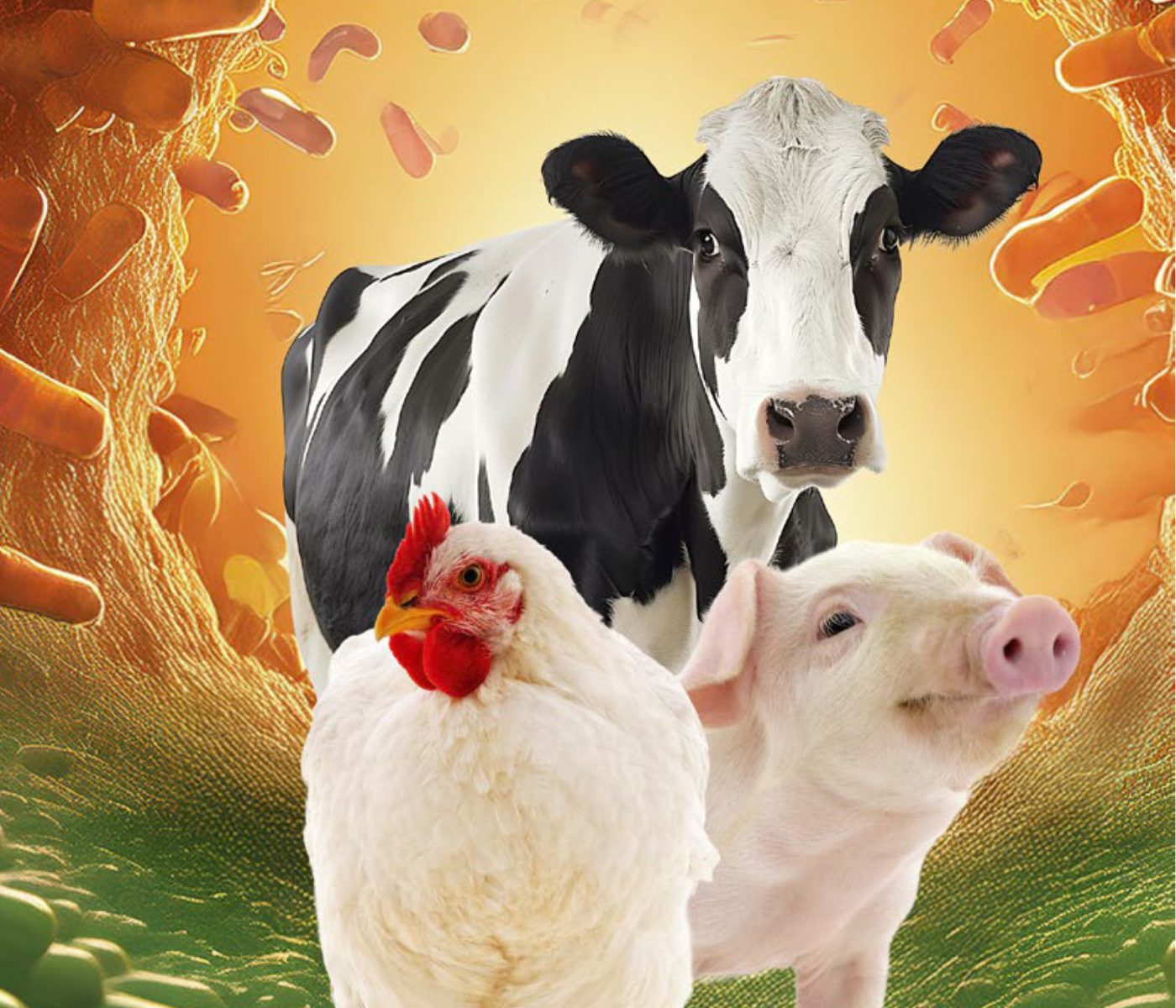
Important Benefits of Astaxanthin in Animals
1. A Natural Antioxidant for Protection of Cells
Oxidative stress is a generic condition in animals, especially under intensive production systems where stress, disease, or poor nutrition might increase the concentration of free radicals. Astaxanthin has cell-protective actions in animals via stabilization of the cellular membrane and restriction of oxidative injury.
- In farm animals, this is expressed as increased growth efficiency and resistance to disease.
- In poultry, it improves egg quality, fertility, and production.
- In pet animals, astaxanthin suppresses cell aging and maintains longevity.
2. Enhances Immune Function
Astaxanthin has advantages for innate and adaptive immunity. It facilitates animals' ability to combat infection by enhancing macrophage function, natural killer (NK) cells, and antibody production.
Dietary astaxanthin in poultry and pigs has proved beneficial in reducing death rates and vaccination response. Pet animals like dog and cat, on astaxanthin supplementation, show increased resistance to recurring infections and allergies.
3. Increases Reproductive Performance
Reproductive health is a key aspect of animal husbandry. The outcome of studies has shown that astaxanthin supplementation enhances semen quality, fertility, and hatchability in poultry and fish. Astaxanthin also protects reproductive cells from oxidative stress, maintaining male and female reproductive efficiency.
4. Enhances Skin, Fur, and Feather Quality
Astaxanthin enables healthy pigmentation of the skin, fur, and feathers by free-radical scavenging of oxidative stress in skin tissues.
- In aquaculture, it gives intense and bright coloring to salmonids, shrimp, and ornamental fish, adding value to the market.
- In poultry, pigmentation of egg yolks is improved, which in most cases is a desirable trait for consumer acceptance.
- In companion animals, it gives healthy hair and shiny skin, reducing dryness, shedding, and redness.
5. Anti-Inflammatory and Joint Support
Astaxanthin suppresses inflammation through the modulation of pro-inflammatory cytokines. To aging animals, this translates to greater mobility and less stiffness of joints. Livestock and poultry have less inflammation caused by stress, resulting in greater growth and health.
6. Antidotes Stress in Aquaculture
Fish and shrimp culture often expose aquaculture animals to stressful conditions due to crowding, heat stress, and handling. Astaxanthin suppresses aquaculture animals' oxidative stress, enhancing survival, growth, and feed conversion. It also increases resistance to common disease in aquaculture.
7. Cardiovascular and Eye Health in Pets
In dog and cat, astaxanthin plays a unique role in protecting the eye and heart. Protects retina from oxidative damage of stress, reducing the risk of age-related blindness. Also helps in the functioning of the heart by regulating the circulation and reducing the oxidative damage to blood vessels.

Applications of Astaxanthin in Animal Nutrition
1. Poultry Nutrition
- Naturally pigments the egg yolk.
- Increases hatchability and fertility.
- Boosts immunity against common poultry diseases.
2. Livestock (Pigs and Cattle)
- Improves immune function and disease risk reduction.
- Improved meat quality and oxidative stability.
- Responsible reproductive performance in breeding animals.
3. Aquaculture
- Colors salmon, trout, and ornamental fish.
- Improves shrimp survival and stress tolerance in aquaculture.
- Improves feed efficiency and growth rate.
4. Pets (Dogs and Cats)
- Maintains immune function and longevity.
- Protects against joint and skin problems.
- Improves vision and cardiovascular function.
- Responsible healthy skin and fur appearance.

Safety and Sustainability of Astaxanthin Use
Astaxanthin is also safe to animals when taken in the right amounts. Astaxanthin is well withstood and not toxic. Natural astaxanthin is a better ecologically friendly and sustainable alternative to synthetic antioxidants as an animal feed supplement and pet food.
As natural, clean-label pet food and animal feed become increasingly sought by consumers, demand will grow for astaxanthin as an essential ingredient in sustainable agriculture and premium pet food ingredients.

Conclusion
Astaxanthin is more than a natural pigment-everything from a natural color, it is also a powerful antioxidant that boosts the health, performance, and well-being of animals across many species. From enhancing immunity and breeding performance in cattle and poultry or skin, joint, and eye health in companion animals, astaxanthin delivers overall benefits.
With growing demand for natural, sustainable animal nutrition, the incorporation of astaxanthin into animal feed and pet nutrition supplements is a sound, science-based choice for animal well-being and consumer acceptance.
References
Ambati, R. R., Moi, P. S., Ravi, S., & Aswathanarayana, R. G. (2014). Astaxanthin: Sources, extraction, stability, biological activities and its commercial applications-A review. Marine Drugs, 12(1), 128–152. https://doi.org/10.3390/md12010128
Hussein, G., Sankawa, U., Goto, H., Matsumoto, K., & Watanabe, H. (2006). Astaxanthin, a carotenoid with potential in human health and nutrition. Journal of Natural Products, 69(3), 443–449. https://doi.org/10.1021/np050354+
Pérez-Vendrell, A. M., Brufau, J., & Esteve-Garcia, E. (2001). The role of carotenoids in poultry pigmentation. World's Poultry Science Journal, 57(2), 109–127. https://doi.org/10.1079/WPS20010009
Lim, K. C., Yusoff, F. M., Shariff, M., & Kamarudin, M. S. (2018). Astaxanthin as feed supplement in aquaculture. Reviews in Aquaculture, 10(3), 738–773. https://doi.org/10.1111/raq.12196
Park, J. S., Chyun, J. H., Kim, Y. K., Line, L. L., & Chew, B. P. (2010). Astaxanthin decreased oxidative stress and inflammation and enhanced immune response in humans. Nutrition & Metabolism, 7(1), 18. https://doi.org/10.1186/1743-7075-7-18