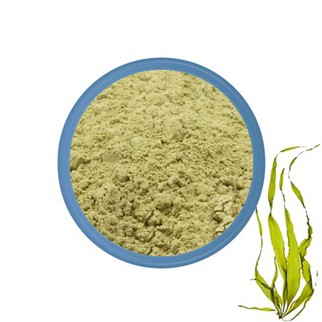
Astaxanthin, orange-red natural carotenoid pigment, has been of significant interest to animal and human nutrition. Astaxanthin, a very potent natural antioxidant, is produced by microalgae such as Haematococcus pluvialis and stored by animals such as krill, shrimp, and salmon. Astaxanthin is not only sought for its coloring activity in the area of animal nutrition and well-being but also for the health benefits. From optimizing immune function and reproductive health to improved performance and overall wellness, astaxanthin offers unambiguous benefits to livestock, poultry, aquaculture animals, and pets.
The article that follows explains why and how astaxanthin benefits animal health and performance, its use in various species, and why it's increasing in popularity as an essential natural ingredient in today's feed applications.

What Is Astaxanthin?
Astaxanthin is a xanthophyll carotenoid that chemically resembles beta-carotene and lutein but is more antioxidant-effective. Astaxanthin is not bioconverted to vitamin A as is the case with some of the carotenoids, but its primary roles include protection of cells against oxidative stress, immune regulation, and pigmentation.
Its unique molecular configuration allows it to penetrate cell membranes and protect the aqueous and lipid phases from damage caused by oxidative stress. The antioxidant capacity of astaxanthin has been found to be as much as 6000 times that of vitamin C and 100 times that of vitamin E, a rate that makes it very useful in animal nutrition.

Main Benefits of Astaxanthin to Animals
1. Powerful Antioxidant Protection
Oxidative stress is a shared reason for all diseases in animals from inflammation, immunosuppression, to premature aging. Astaxanthin safeguard cells, tissues, and organs from free radical-induced damage through neutralization. Antioxidant activity raises general well-being and immunity to disease on poultry and livestock.
2. Augmented Immune Function
Astaxanthin increases immunity through enhanced activity of white blood cells, antibody production, and resistance to disease. Supplementation in cat and dog has been found to increase cell-mediated and humoral immunity, thus making the animals resistant to disease.
3. Eye and Skin Health
Astaxanthin improves the health of eyes by protecting retinal cells from oxidative damage. It is also used in animals to manage age-related conditions of eyes such as cataract and retinal degeneration. Astaxanthin protects skin cells from damage by UV-triggered oxidative damage, which is beneficial when sun-exposing the animals.
4. Improved Fertility and Reproductive Health
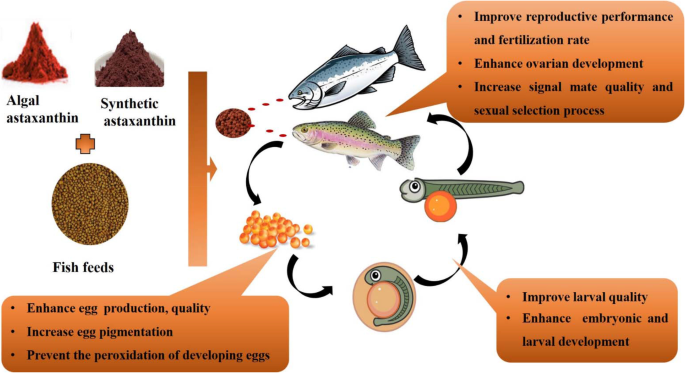
In aquaculture and livestock breeding, the function of reproduction is compromised by oxidative stress. The improvement in sperm quality, viability of eggs, and overall fertility outcome is caused by astaxanthin supplementation. This is linked with increased hatch rate and normal chicks in chickens.
5. Muscle Function and Recovery
Astaxanthin suppresses exercise- or stress-induced muscle injury, and thus is particularly beneficial in performance dogs, racing horses, and other performance animals. It suppresses oxidative stress to muscles, increases stamina, postpones fatigue, and speeds up recovery.
6. Anti-Inflammatory Properties
The most essential part of joint arthritis, metabolic disease, and chronic disease is inflammation. Astaxanthin suppresses the expression of pro-inflammatory cytokines, and thus it is beneficial to manage arthritis in animals and to suppress systemic inflammation in livestock.
7. Pigmentation Benefits
Pigmentation is the most well-known use of astaxanthin as an animal feed additive. Astaxanthin pigments salmon, shrimp, and crustaceans reddish-pink, and astaxanthin enhances egg yolk pigmentation and broiler skin pigmentation in poultry feed-a consumer-preference attribute in the majority of markets.

Uses of Astaxanthin in Animal Nutrition
1. Pets (Dogs and Cats)
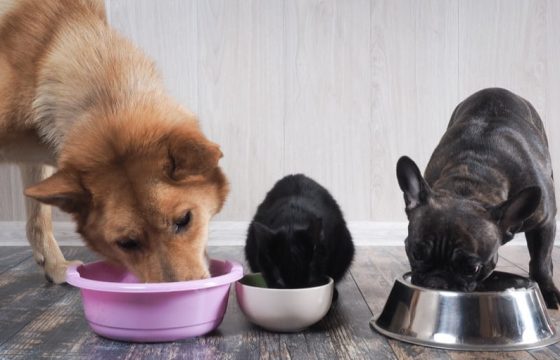
Astaxanthin has widespread use in natural pet food for dogs and cats. Beneficial are:
- Sustaining joint health and relieving the symptoms of arthritis.
- Garding of eyes against degeneration caused by aging.
- Stimulation of the immune system in old animals.
- Gardening of skin and coat health by antioxidant activity.
2. Poultry
Astaxanthin has a dual function in poultry nutrition:
- Pigmentation: Darkens broiler skin and egg yolks.
- Health benefits: Lowers oxidative stress, enhances immunity, and enhances laying hens' breeding performance.
3. Aquaculture
Astaxanthin is critical in aquaculture for farmed salmon, trout, shrimp, and ornamental fish.
- Improve growth rates and feed conversion rate.
- Enhance pigmentation and palatability of the fish to consumers.
- Protect from stress-induced death and disease.
- Promote reproductive function in broodstock.
4. Livestock (Cattle, Swine, Horses)
Supplementation of astaxanthin in livestock has been found to enhance as follows:
- Enhanced fertility and reproductive performance.
- Reduced oxidative stress during heat stress conditions.
- Enhanced meat quality through reduced lipid peroxidation.
- Improved muscle recovery in competition horses.
Scientific Evidence Supporting Astaxanthin Usage
Studies substantiate astaxanthin's application in animal health:
- Dogs: Chew et al. (2000) demonstrated that astaxanthin dietary supplementation improved immune status in dogs, including improved antibody production.
- Cats: Park et al. (2011) demonstrated that astaxanthin supplementation improved immune status in domestic cats.
- Poultry: Surai et al. (2019) explained that carotenoids like astaxanthin improve poultry reproduction health, oxidative stability, and pigmentation.
- Aquaculture: Olsen & Ringø (1997) demonstrated improved growth, pigmentation, and survival of salmonids following astaxanthin supplementation.
Livestock: Astaxanthin-supplemented pigs and cattle had higher fertility and reduced oxidative stress, which were verified through studies.
Why Utilize Astaxanthin in Modern Feed Formula?
Natural Replacement for Man-made Additives: As consumers are keen on natural, sustainable animal products, astaxanthin is an ideal replacement for man-made dyes and antioxidants.
Multi-functional Use: Its widespread uses-ranging from health promotion to pigmentation-render it valuable in a wide range of species.
Sustainability: Industrially manufactured astaxanthin microalgae is sustainable and eco-friendly relative to chemical synthesis.
Value Addition: Astaxanthin adds value to product quality, consumer acceptability, and animal performance in high-quality aquaculture and pet food.

Conclusion
Astaxanthin is more than a seemingly innocuous pigment-it is a very potent natural component critical to the health, performance, and productivity of animals. Regardless of the use-joint and vision health in companion animals, color and fertility in poultry, growth and survival in aquaculture, or breeding performance in livestock-astaxanthin confers widespread advantages.
As there is an ever-increasing requirement for natural, safe, and sustainable animal feed supplements, astaxanthin is soon becoming the ingredient of animal recipes in the days to come. Because it has the ability to protect animals from oxidative stress, strengthen their immunity, and enhance performance, they not only function at best but also provide quality products to the food chain.
References
Chew, B. P., Park, J. S., Wong, M. W., & Wong, T. S. (2000). A comparison of the anticancer activities of dietary beta-carotene, canthaxanthin and astaxanthin in mice in vivo. Anticancer Research, 19(3A), 1849-1853.
Park, J. S., Mathison, B. D., Hayek, M. G., Massimino, S., Reinhart, G. A., & Chew, B. P. (2011). Astaxanthin stimulates cell-mediated and humoral immune responses in cats. Veterinary Immunology and Immunopathology, 144(3–4), 455–461.
Surai, P. F., Kochish, I. I., Fisinin, V. I., & Kidd, M. T. (2019). Antioxidant defence systems and oxidative stress in poultry biology: An update. Antioxidants, 8(7), 235.
Olsen, R. E., & Ringø, E. (1997). Lipid digestibility in fish: A review. Aquaculture Nutrition, 3(4), 199–213.
Ambati, R. R., Phang, S. M., Ravi, S., & Aswathanarayana, R. G. (2014). Astaxanthin: Sources, extraction, stability, biological activities and its commercial applications-A review. Marine Drugs, 12(1), 128–152.