Astaxanthin Powder for Egg Color is gaining attention as a functional carotenoid ingredient for modern poultry nutrition. As a naturally occurring red-orange pigment, astaxanthin can be transferred from laying hen feed into the egg yolk, helping produce a deeper and more reddish yolk color.
For poultry feed manufacturers and egg producers, astaxanthin offers more than pigmentation. Research has also investigated its antioxidant activity and potential effects on the physiological and immune status of laying hens. However, its most established commercial application in egg production is yolk pigmentation.
Studies have shown that dietary astaxanthin can increase yolk astaxanthin concentration and improve measured yolk color, with results influenced by the source, preparation form, dose, and feeding period.
What Is Astaxanthin Powder?
Astaxanthin is a xanthophyll carotenoid with a characteristic red-orange color. Commercial astaxanthin can be produced from natural sources such as Haematococcus pluvialis microalgae and Phaffia rhodozyma yeast, as well as through other production methods.
For poultry feed, astaxanthin may be supplied as a powder, dried biomass, formulated powder, or other stabilized preparation.
The powder form can be particularly convenient for feed manufacturers because it can be accurately incorporated into premixes and complete poultry diets.
The quality and bioavailability of astaxanthin can vary considerably between different preparations. A 2024 study comparing several astaxanthin preparations in laying hens found that a water-soluble astaxanthin powder produced the greatest improvement in yolk astaxanthin concentration and yolk color among the preparations tested at the study dose.
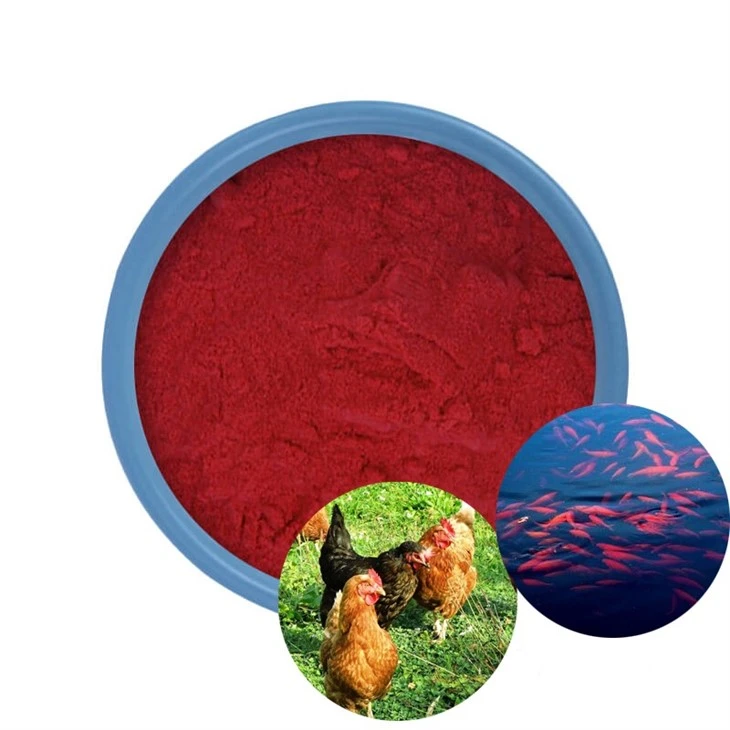
Why Use Astaxanthin for Egg Color?
Egg yolk color is an important visual characteristic in many egg markets. Consumers may associate a deeper yellow-orange or reddish yolk with particular feeding systems or product quality.
However, yolk color is primarily determined by the carotenoids deposited from the hen's diet.
Astaxanthin can be absorbed from the digestive tract, transported through the bloodstream, and deposited in the developing egg yolk. As dietary astaxanthin increases, yolk astaxanthin concentration and redness can also increase.
A review of astaxanthin and lutein in laying hens found that dietary supplementation has a pronounced effect on yolk color while generally having limited effects on basic egg production and physical egg characteristics.
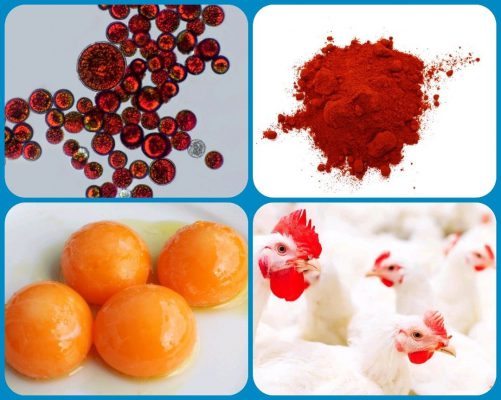
Benefits of Astaxanthin Powder for Egg Color
1. Enhances Egg Yolk Color
The primary reason to use astaxanthin in laying hen feed is its pigmentation effect.
Astaxanthin can increase the red component of yolk color, producing a deeper orange-red appearance depending on the overall carotenoid composition of the diet.
In feeding trials, increased dietary astaxanthin has been associated with higher yolk color scores and greater astaxanthin accumulation in the yolk.
This makes astaxanthin useful for egg producers targeting a specific yolk color profile.
2. Increases Astaxanthin Deposition in Egg Yolks
Astaxanthin does not simply influence the visible color of the yolk. A portion of the dietary carotenoid can be deposited directly into the egg.
Research examining different dietary doses found that egg astaxanthin concentration increased with increasing supplementation levels.
This creates an opportunity for manufacturers to develop eggs with enhanced carotenoid content in addition to improved appearance.
3. Provides Antioxidant Support
Astaxanthin is widely studied for its antioxidant properties.
In laying hens, research has reported improvements in antioxidant-related indicators following dietary astaxanthin supplementation. For example, one study using natural astaxanthin from Haematococcus pluvialis observed increased antioxidant enzyme activity and greater yolk coloration as dietary astaxanthin increased.
Another study reported increased glutathione peroxidase and superoxide dismutase activity and reduced malondialdehyde levels in laying hens receiving an astaxanthin-rich supplement.
These findings suggest that astaxanthin may provide nutritional antioxidant support, although it should not be considered a treatment for poultry diseases.
4. May Support Normal Hen Health
Research has also examined the relationship between astaxanthin supplementation and immune or physiological responses in laying hens.
Some experimental studies have reported changes in antioxidant defenses and immune-related indicators following dietary astaxanthin supplementation.
However, results can vary according to dosage, source, hen age, diet composition, environmental conditions, and experimental design. Therefore, the most reliable commercial positioning of astaxanthin remains its role as a carotenoid pigment with additional nutritional antioxidant potential.
5. Supports Egg Fortification
Astaxanthin can accumulate in egg yolks, making dietary supplementation useful for producing carotenoid-enriched eggs.
Research has demonstrated dose-dependent deposition of astaxanthin into egg yolks, with feeding duration also influencing accumulation.
This gives egg producers an opportunity to develop specialty eggs positioned around carotenoid enrichment and functional nutrition.
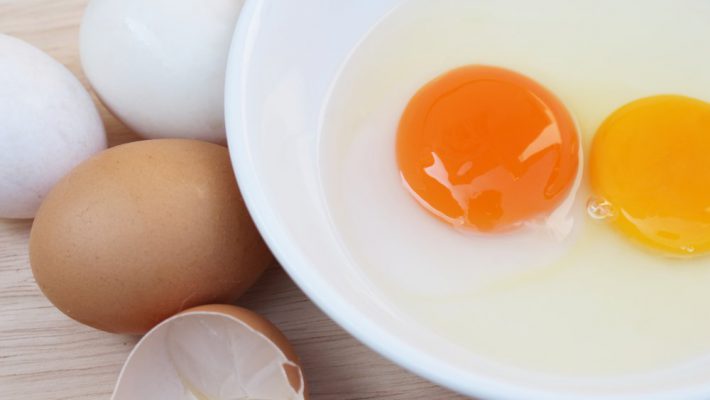
Astaxanthin and Egg Yolk Color: How Does It Work?
After a laying hen consumes astaxanthin-containing feed, the carotenoid is digested and absorbed. It is then transported through the bloodstream and incorporated into tissues and developing egg yolks.
As the egg yolk develops, carotenoids from the hen's diet can accumulate in the yolk.
The resulting color depends on the complete carotenoid profile of the feed. Lutein, zeaxanthin, canthaxanthin, astaxanthin, and other pigments can interact to produce the final yolk appearance.
Therefore, astaxanthin should not always be considered a stand-alone yolk-color solution. The base diet and its existing carotenoid content can significantly influence the final result.
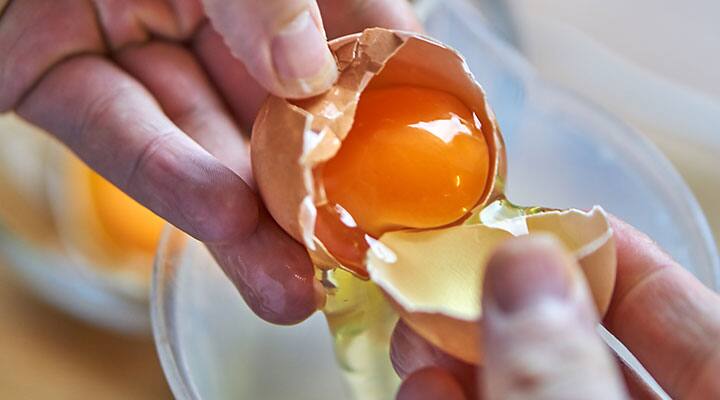
Astaxanthin Powder Applications in Poultry Feed
Laying Hen Feed
The most direct application is in complete feed for commercial laying hens.
Astaxanthin can be incorporated into diets where enhanced yolk pigmentation is a production objective.
Premium Egg Production
Astaxanthin can be used in specialty feed programs designed for premium or differentiated eggs.
Egg producers may use carotenoid-enriched diets to develop products with distinctive yolk color and nutritional positioning.
Functional Egg Production
Because astaxanthin can accumulate in the yolk, it can also be used in feed programs focused on producing carotenoid-enriched eggs.
This may be particularly relevant to specialty egg brands and functional-food markets.
Poultry Feed Premixes
Astaxanthin Powder can be incorporated into poultry premixes together with other vitamins, minerals, carotenoids, antioxidants, and functional feed ingredients.
Premix manufacturers should calculate the actual astaxanthin contribution from each ingredient to achieve a consistent final feed concentration.
Combination Carotenoid Formulations
Astaxanthin can also be combined with other natural or commercial pigments.
For example, lutein and astaxanthin have different pigmentation characteristics. Combining carotenoids can provide feed manufacturers with greater flexibility when targeting specific yolk-color profiles.
Research reviews have emphasized that both astaxanthin and lutein can influence yolk pigmentation, although their deposition and biological behavior differ.
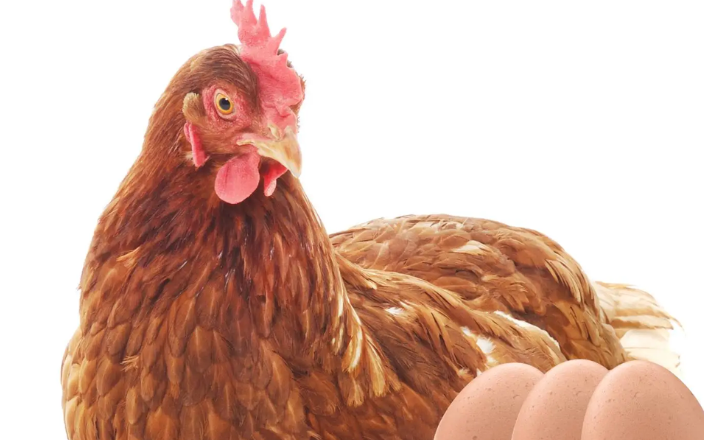
Astaxanthin Powder vs. Other Egg-Yolk Pigments
Astaxanthin is one of several carotenoids that can influence egg yolk color.
Commonly used poultry pigments include:
- Astaxanthin
- Canthaxanthin
- Lutein
- Zeaxanthin
- Paprika-derived carotenoids
- Marigold-derived lutein
- Other natural carotenoid sources
Astaxanthin is particularly useful when a stronger red or orange-red component is desired.
Lutein and zeaxanthin are more closely associated with yellow pigmentation, while different pigment combinations can be used to achieve a particular yolk color target.
The optimal approach depends on the starting diet, desired color, production cost, pigment source, and market requirements.
Does More Astaxanthin Always Mean Better Egg Color?
Not necessarily.
Research has shown that increasing astaxanthin supplementation can improve yolk pigmentation, but the efficiency of pigmentation does not necessarily increase indefinitely.
A study comparing moderate and high supplementation found that yolk color and astaxanthin concentration increased with supplementation, but the highest tested dose did not provide proportional pigmentation efficiency compared with moderate doses.
This is an important consideration for feed manufacturers.
Rather than simply increasing the inclusion rate, formulation should focus on:
- Target yolk color
- Astaxanthin bioavailability
- Product concentration
- Feed composition
- Hen age
- Feeding duration
- Cost efficiency
- Regulatory requirements

Importance of Astaxanthin Bioavailability
The physical form of astaxanthin can influence how effectively the pigment is utilized.
Astaxanthin is a fat-soluble carotenoid, and its absorption can be affected by its formulation and interaction with the diet.
A 2024 laying-hen study compared dried microbial cell powder, fine cell powder, an oil suspension, and water-soluble astaxanthin powder. The water-soluble powder produced the strongest improvement in yolk astaxanthin concentration and color score among the tested preparations.
This highlights why feed manufacturers should evaluate not only the stated astaxanthin percentage but also the formulation, particle size, dispersibility, stability, and bioavailability of the commercial product.

Factors Affecting Egg Yolk Color
The final yolk color depends on multiple factors rather than astaxanthin alone.
Hen Age
Older and younger hens can differ in nutrient metabolism and pigment deposition.
Feed Composition
The levels of corn, lutein, zeaxanthin, other carotenoids, oils, and antioxidants can influence the final yolk color.
Astaxanthin Source
Natural and formulated astaxanthin products may differ in bioavailability and deposition efficiency.
Dosage
Increasing dietary astaxanthin generally increases yolk deposition within an effective range, but excessively high inclusion is not necessarily more economical or more effective.
Feeding Duration
Continuous supplementation allows carotenoid deposition to develop over time.
Product Stability
Carotenoids can be sensitive to oxygen, light, heat, and other environmental factors. Proper stabilization and storage are therefore important.
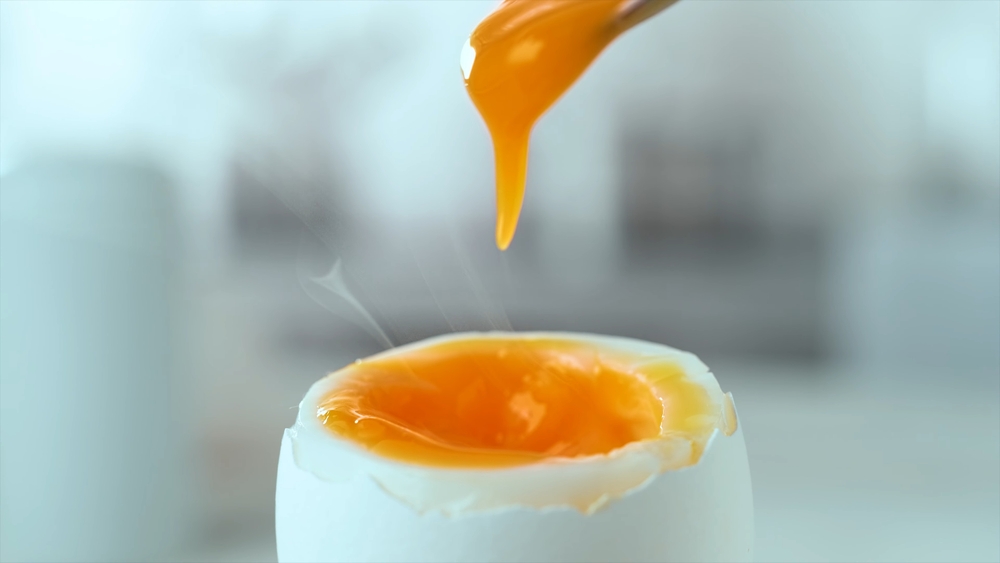
Choosing High-Quality Astaxanthin Powder for Poultry Feed
For commercial feed production, buyers should evaluate several quality parameters.
Astaxanthin Content
The active astaxanthin concentration should be clearly specified.
Source and Production Method
Manufacturers should identify the source of astaxanthin and provide appropriate product documentation.
Bioavailability
Powder particle size, dispersion, formulation, and processing can influence utilization.
Stability
The product should maintain its active content during storage and feed manufacturing under recommended conditions.
Quality Documentation
Commercial buyers may request:
- COA
- Product specification
- Heavy metal analysis
- Microbiological testing
- Stability information
- Source documentation
- Relevant certifications
-
Batch Consistency
Consistent astaxanthin content is essential for predictable feed formulation and yolk pigmentation.

Astaxanthin Powder Dosage for Laying Hens
There is no single universal dosage for every poultry production system.
Published studies have evaluated a wide range of astaxanthin concentrations. For example, one study tested 0, 20, 40, 80, and 160 mg/kg of natural astaxanthin in laying-hen diets and observed a dose-related darkening of yolk color.
Another study evaluated 21.3, 42.6, and 213.4 mg/kg and found that moderate supplementation provided effective pigmentation without the need for the highest tested dose.
These experimental levels should not automatically be treated as commercial feeding recommendations.
The appropriate inclusion rate depends on the potency of the specific Astaxanthin Powder, the existing carotenoid content of the feed, target yolk color, hen production stage, and applicable feed regulations.

Safety and Feed Formulation Considerations
Astaxanthin should be formulated as part of a balanced poultry diet rather than used as a replacement for essential nutrients.
Feed manufacturers should consider:
- Regulatory approval in the target market
- Maximum permitted inclusion levels
- Active astaxanthin concentration
- Stability during feed processing
- Interaction with other carotenoids
- Storage conditions
- Hen age and production stage
Moderate and scientifically supported inclusion levels are generally more appropriate than excessive supplementation. Research has specifically cautioned against assuming that very high dietary astaxanthin levels provide additional benefits.
Why Use Astaxanthin Powder for Egg Production?
For commercial poultry producers, Astaxanthin Powder offers several potential advantages:
- Helps enhance egg yolk pigmentation
- Supports a deeper orange-red yolk appearance
- Deposits astaxanthin into egg yolks
- Provides carotenoid antioxidant activity
- May support normal antioxidant defenses in laying hens
- Can be used in specialty and functional egg production
- Suitable for complete feed and premix formulations
- Can be combined with other carotenoids
Available in different formulations and concentrations
Conclusion
Astaxanthin Powder for Egg Color is a valuable carotenoid ingredient for laying-hen nutrition, particularly when the goal is to improve yolk pigmentation and develop carotenoid-enriched eggs.
Research consistently demonstrates that dietary astaxanthin can increase yolk astaxanthin deposition and improve yolk color. Its antioxidant properties may also provide additional nutritional value for laying hens, although these effects depend on the source, dose, feeding period, and overall diet.
For poultry feed manufacturers, choosing a high-quality and stable Astaxanthin Powder is important for achieving consistent pigmentation results. Product concentration, bioavailability, formulation, stability, and batch consistency should all be considered when selecting a commercial ingredient.
For Astaxanthin Powder for Egg Color, bulk supply, COA, specifications, samples, OEM packaging, or customized poultry feed ingredient solutions, contact HJHERB BIOTECH at info@hjagrifeed.com.
References
Osawa Y., Kuwahara D., Hayashi Y., Honda M. Effects of Astaxanthin Preparation Form on the Efficiency of Egg Yolk Pigmentation in Laying Hens. Journal of Oleo Science, 2024.
Honda M., et al. Astaxanthin Z-isomer-rich diets enhance egg yolk pigmentation in laying hens compared to that in all-E-isomer-rich diets. Animal Science Journal, 2021.
Sources, dynamics in vivo, and application of astaxanthin and lutein in laying hens: A review. 2023.
Dietary supplementation with natural astaxanthin from Haematococcus pluvialis improves antioxidant enzyme activity, free radical scavenging ability, and gene expression of antioxidant enzymes in laying hens. 2021.
Astaxanthin supplementation enriches productive performance, physiological and immunological responses in laying hens. 2021.
Assessment of Response to Moderate and High Dose Supplementation of Astaxanthin in Laying Hens. 2021.
Effects of duration and supplementation dose with astaxanthin on egg fortification. 2021.
FAQ
Q1: What is Astaxanthin Powder for Egg Color?
A1: Astaxanthin Powder is a red-orange xanthophyll carotenoid used in poultry feed, particularly laying-hen diets, to support egg yolk pigmentation. It can also provide antioxidant-related nutritional functions.
Q2: How does astaxanthin improve egg yolk color?
A2: After a hen consumes astaxanthin-containing feed, the carotenoid is absorbed, transported through the bloodstream, and deposited into developing egg yolks. This can increase yolk redness and produce a deeper orange-red appearance.
Q3: What is the main benefit of Astaxanthin Powder for laying hens?
A3: Its primary commercial benefit is enhanced egg yolk pigmentation. Dietary astaxanthin can increase yolk color scores and astaxanthin deposition, making it useful for egg producers targeting a specific yolk-color profile.
Q4: Can astaxanthin increase astaxanthin content in egg yolks?
A4: Yes. Research indicates that dietary astaxanthin can be deposited directly into egg yolks, with yolk astaxanthin concentration generally increasing as dietary supplementation increases within an effective range.
Q5: Can Astaxanthin Powder be used for premium egg production?
A5: Yes. It can be incorporated into specialty feed programs designed for premium or differentiated eggs, particularly when deeper yolk pigmentation or carotenoid enrichment is a production objective.
Q6: Can astaxanthin provide antioxidant support for laying hens?
A6: Yes. Astaxanthin is widely studied for its antioxidant properties, and research in laying hens has reported changes in antioxidant-related indicators following supplementation. It should be considered nutritional support rather than a treatment for poultry diseases.
Q7: Can Astaxanthin Powder be used in poultry feed premixes?
A7: Yes. Astaxanthin Powder can be incorporated into poultry premixes together with vitamins, minerals, carotenoids, antioxidants, and other feed ingredients. Manufacturers should calculate its actual contribution to the finished feed.
Q8: Can astaxanthin be combined with other egg-yolk pigments?
A8: Yes. Astaxanthin can be combined with carotenoids such as lutein, zeaxanthin, or other commercial and natural pigments. Different carotenoids have different pigmentation characteristics and can be combined to achieve a desired yolk-color profile.
Q9: What is the difference between astaxanthin and lutein for egg yolk color?
A9: Astaxanthin is particularly useful for adding a stronger red or orange-red component, while lutein and zeaxanthin are more closely associated with yellow pigmentation. The optimal combination depends on the target yolk color and overall feed formulation.
Q10: Does more astaxanthin always produce better egg color?
A10: Not necessarily. Increasing astaxanthin can improve yolk pigmentation within an effective range, but very high supplementation does not necessarily provide proportional improvements in pigmentation efficiency. Cost, bioavailability, feed composition, hen age, and feeding duration should also be considered.