What Exactly is Bamboo Charcoal?
Bamboo charcoal is a black, porous material made by charring wood at high temperatures, with high energy density and good adsorption properties. Compared to regular charcoal, bamboo charcoal has ten times more surface area and is four times stronger in its absorption rate. The porous structure of bamboo charcoal provides countless tiny holes that effectively absorb odours, moisture, and polluted air particles such as formaldehyde, ammonia, and benzene.
In simple terms, bamboo charcoal is charcoal derived from bamboo. Most people are familiar with the charcoal used to barbeque, but few know exactly what it is or how it's made. Charcoal is carbon created through a heating process that takes non-carbon material out of plant or animal matter. Although the process sounds complicated, it simply involves heating bamboo (or some other material) in a kiln to a specific temperature before removing the oxygen supply.

Brief History of Bamboo Charcoal
Dating back to the Ming dynasty, Bamboo Charcoal was referred to by Chinese healers as "the black diamond." From formulating medicines to filtering water for tea, Bamboo Charcoal was widely considered a "gem" of a substance due to its unique drawing properties.
Activated Bamboo Charcoal, charcoal that has been pulverized and steamed, has even greater drawing power due to its wider surface area, enabling it to absorb a higher volume of bacteria, impurities, and micro-particles.
By cooking mature stalks of bamboo at temperatures of several hundred degrees Celsius, the hardy plant undergoes thermal decomposition and turns into bamboo charcoal. This process, known as pyrolysis, essentially takes wood or bamboo and burns it while depriving it of oxygen. This causes the material to decompose, but leaves behind enough to serve as a fuel of its own.
This dark gray and seemingly inert end product actually has a surprising range of uses. Historically, the myriad applications of bamboo charcoal date back many centuries. We can trace the oldest written record to the Ming Dynasty of the 15th century.
Most uses of bamboo charcoal involve either cooking or some type of purification. But some of the most intriguing uses did not "come to light" until the 20th century.


Versatile Application of Bamboo Charcoal
It has a wide range of applications in a number of fields, and the following are some of the main uses:
Energy:
Fuel: Bamboo charcoal is a traditional fuel widely used for home heating, cooking and industrial heating. Compared with logs, bamboo charcoal burns more completely and produces less smoke and harmful gases.
BBQ: Bamboo charcoal is a popular fuel for barbecue because it provides even and high temperature heat with less smoke and does not affect the flavor of the food.
Agriculture:
Soil Improvement: bamboo charcoal increases the permeability and water retention of the soil, improves the soil structure and promotes the growth of plant roots. It can also increase the organic matter content of the soil and enhance soil fertility.
Fertilizer additive: bamboo charcoal can be used as a carrier for fertilizers, slow-release fertilizer, reduce nutrient loss, and improve fertilizer utilization.
Water treatment:
Filtration: bamboo charcoal has good adsorption capacity and can be used to filter impurities, chemicals and harmful metals from water. Activated carbon (further treated bamboo charcoal) is widely used in water purification and wastewater treatment.
Deodorization: bamboo charcoal can adsorb odors and harmful substances in water and improve water quality.


Industry:
Metallurgy: bamboo charcoal is used as a reducing agent in iron and steel production, which can replace part of coke and reduce carbon dioxide emissions.
Chemical raw material: bamboo charcoal is the raw material or catalyst for many chemical products, such as activated carbon, carbon black and various carbon-based materials.
Daily life:
Air Purification: Bamboo charcoal packs are used for indoor air purification, which can adsorb formaldehyde, benzene and other harmful gases in the air, purify the air, dehumidify and prevent mold.
Refrigerator deodorization: bamboo charcoal packs placed in the refrigerator can adsorb odors and keep food fresh.
Gardening: bamboo charcoal block placed at the bottom of flower pots can improve drainage and air permeability, preventing plant root rot.

Healthcare:
activated charcoal can be used as a medicinal adsorbent to deal with problems such as poisoning and indigestion.
Skin care:
Due to its antibacterial properties and exfoliating properties, as well as its ability to deep clean, bamboo charcoal is great for folks with acne, troubled skin, or oily/combination skin. It works to unclog skin and absorb excess skin oil fighting blemishes and blackheads. Charcoal adsorbs dirt and debris from pores leaving skin ultra-clean, soft, and smooth. Four times more adsorbent than wood charcoal, bamboo charcoal eliminates impurities and neutralizes odors.


Haircare:
bamboo charcoal removes residue and buildup, deeply cleanses, and adds volume. It penetrates deeply to clean, remove impurities, and adsorb excess oils without stripping the hair of its natural oils.
Our scalp has more pores than other parts of our body and very active sebaceous glands. Therefore, dirt and pollutants will readily stick to your hair and scalp. The strong adsorption properties of charcoal help to attract and draw out dirt and pollutants from the hair and scalp. The antimicrobial properties help with scalp problems and stimulate circulation to promote hair growth and prevent hair loss.
Activated charcoal is a great ingredient for those with excess hair and scalp oil, as well as those suffering from itchy scalp conditions such as dandruff.
Advantages of Using Bamboo Charcoal
Natural and Renewable:
Bamboo charcoal is made from bamboo, a fast-growing and renewable resource. Its production is sustainable and environmentally friendly compared to traditional charcoal made from wood or coal.
High Porosity:
Bamboo charcoal has a highly porous structure, which gives it a large surface area. This property allows it to effectively absorb and trap odors, moisture, pollutants, and impurities.
Effective Odor Control:
Due to its excellent absorption capabilities, bamboo charcoal is widely used to neutralize and eliminate odors in various environments, such as homes, cars, refrigerators, and closets.
Air Purification:
Bamboo charcoal can help improve indoor air quality by absorbing harmful chemicals, gases, and allergens. It removes pollutants like formaldehyde, benzene, ammonia, and volatile organic compounds (VOCs), creating a healthier living environment.
Humidity Regulation:
Bamboo charcoal helps regulate humidity levels by absorbing excess moisture from the air. This property prevents mold, mildew, and musty odors, making it ideal for use in damp spaces like bathrooms, basements, and closets.
Water Filtration:
Its porous structure allows bamboo charcoal to filter water effectively by adsorbing impurities, contaminants, and odors. It improves the taste and quality of drinking water, making it safer and more enjoyable to consume.
Skin Care Benefits:
Bamboo charcoal is used in skincare products for its ability to draw out impurities, excess oil, and toxins from the skin. It helps unclog pores, reduce acne breakouts, and improve overall skin health.
Longevity and Reusability:
Bamboo charcoal products can have a long lifespan and are often reusable. They can be "recharged" by exposure to sunlight, which releases absorbed pollutants, allowing them to be used repeatedly.
Biodegradable and Eco-Friendly:
Bamboo charcoal is biodegradable and compostable, making it an environmentally friendly alternative to synthetic air fresheners, purifiers, and water filters. Its production and disposal have minimal impact on the environment.

Is Bamboo Charcoal Safe?
Yes, bamboo charcoal is generally considered safe for use in various applications. You can use bamboo charcoal around kids and pets with complete ease of mind because charcoal is harmless even if eaten. In fact, many people in Asia take charcoal tablets to deal with stomach ailments, and it's safe to use on pets. The tablets absorb poisons, allowing gastric toxins to pass through the system without the need to use synthetic medicines.
Why the growing demand for bamboo charcoal?
The bamboo charcoal product is a pure natural, pollution-free green ecological daily necessities, which is known as the "21st-century health and environmental protection guardian." In Korea, Japan, Taiwan, and other countries and regions, bamboo charcoal is widely used in life, study, cosmetics production, the pharmaceutical industry, and other fields.
The main functions of bamboo charcoal include water and air purification, dehumidification, and mildew control. In addition, it has strong adsorption and health care effect. That is why bamboo charcoal is so hot and popular in the market.
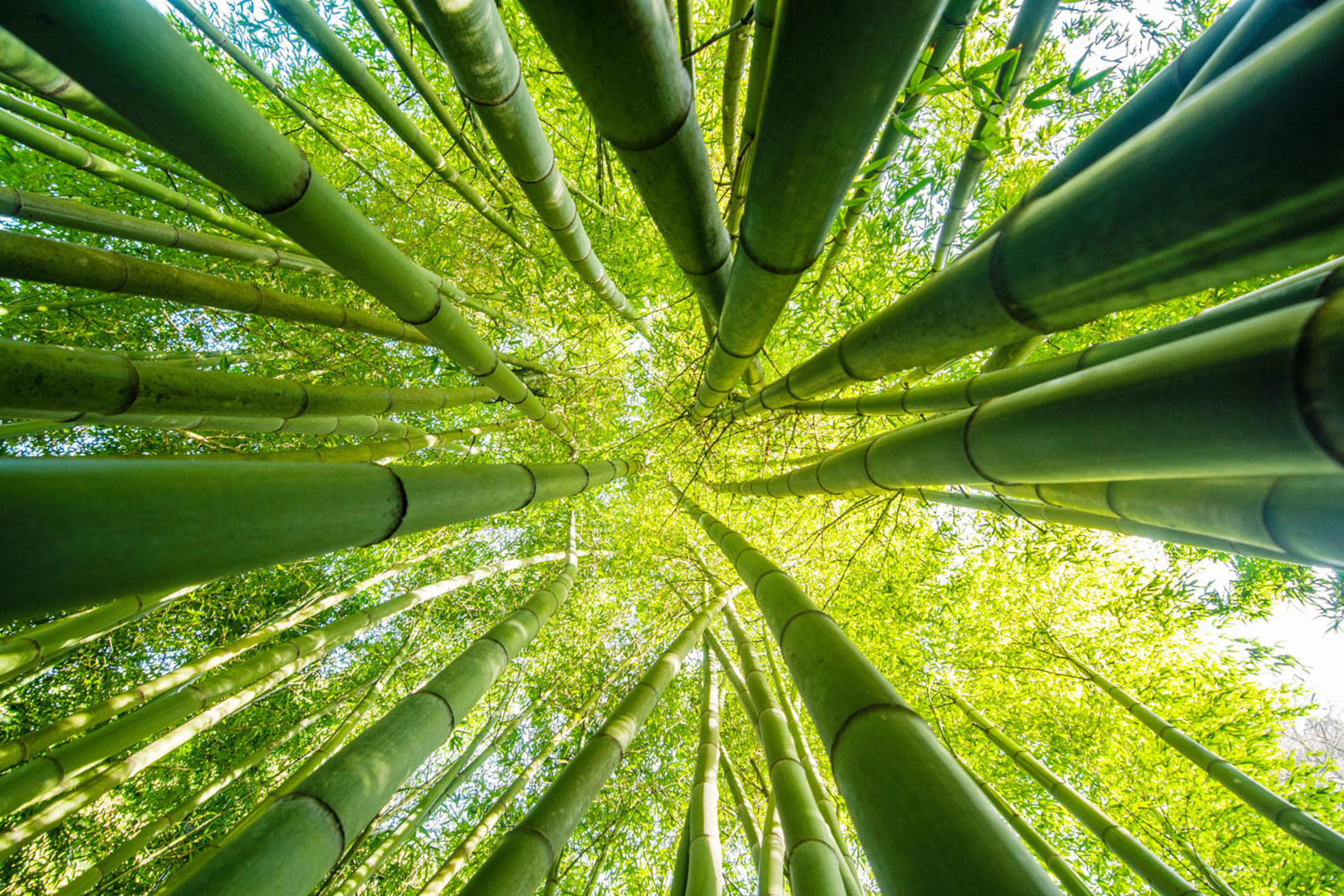
Wrapping up, Bamboo charcoal's multifunctionality and efficient adsorption properties make it play an important role in various fields. With the concept of environmental protection and sustainable development taking root in people's minds, the application of bamboo charcoal and its products in modern society is becoming more and more promising.
Bamboo charcoal is an environmentally friendly and ecologically responsible replacement for chemical and synthetic deodorizers, purifiers, and fertilizers. It releases valuable minerals, is 100% natural, and is safe to use around pets, children, and people with allergies or asthma.
Scientific studies support charcoal's adsorption abilities, and it has numerous uses in commercial and household applications. Best of all, you can use activated charcoal with confidence – it's good for you and the environment from cultivation to disposal.

Bamboo charcoal is routinely packaged in 1m*0.6m bags, the weight of each bag is different, so the total weight is overweight.
Or customers can customize the packaging of fixed bag weight if required.