


In today's poultry production, egg yolk color is not just a cosmetic issue-it's a crucial quality parameter influencing consumer taste, product attractiveness, and market price. A deep golden or orange yolk is generally understood by consumers to be freshness, wholesomeness, and improved nutrition. To achieve it naturally, feed formulation specialists and poultry producers are now looking for astaxanthin, an extremely potent red-orange carotenoid.
Then, why does astaxanthin color egg yolks naturally? And why is it a better option than artificial colorants?
Let us discover the science and benefits of astaxanthin in layer hen nutrition.

What is Astaxanthin?
Astaxanthin is a carotenoid pigment that occurs naturally in:
- Microalgae (Haematococcus pluvialis)
- Krill and shrimp
- Wild salmon and trout
It's also behind the red-orange coloration of seafood and is reputed to be one of the most powerful antioxidants naturally occurring-more powerful than vitamin E, beta-carotene, and lutein.
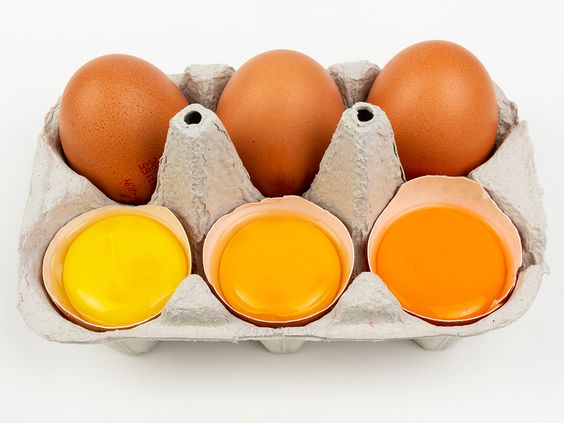
Why Yolk Color Matters
Yolk colour is typically graded by a Roche colour fan scale pale yellow to deep orange-red. A darker yolk colour is:
- Popular with consumers, especially in Asian and European markets
- Associated with enhanced nutrition (though not always scientifically linked)
- Used as an advertising feature for "premium" or "farm-fresh" eggs
Traditionally, yolk color is enhanced with xanthophyll-rich supplements such as:
- Marigold extract (lutein)
- Corn gluten meal
- Synthetic colourants (canthaxanthin)
But naturally occurring alternatives like astaxanthin are the choice now due to growing demand for clean-label, non-synthetic, and functional feed ingredients.

How Astaxanthin Increases Yolk Pigmentation
Astaxanthin is:
- Fat-soluble: Easily absorbed and added to egg yolk lipids
- Very pigmented: Low doses significantly increase yolk color dramatically
- Resistant to feed: When microencapsulated, it withstands pelleting or extrusion
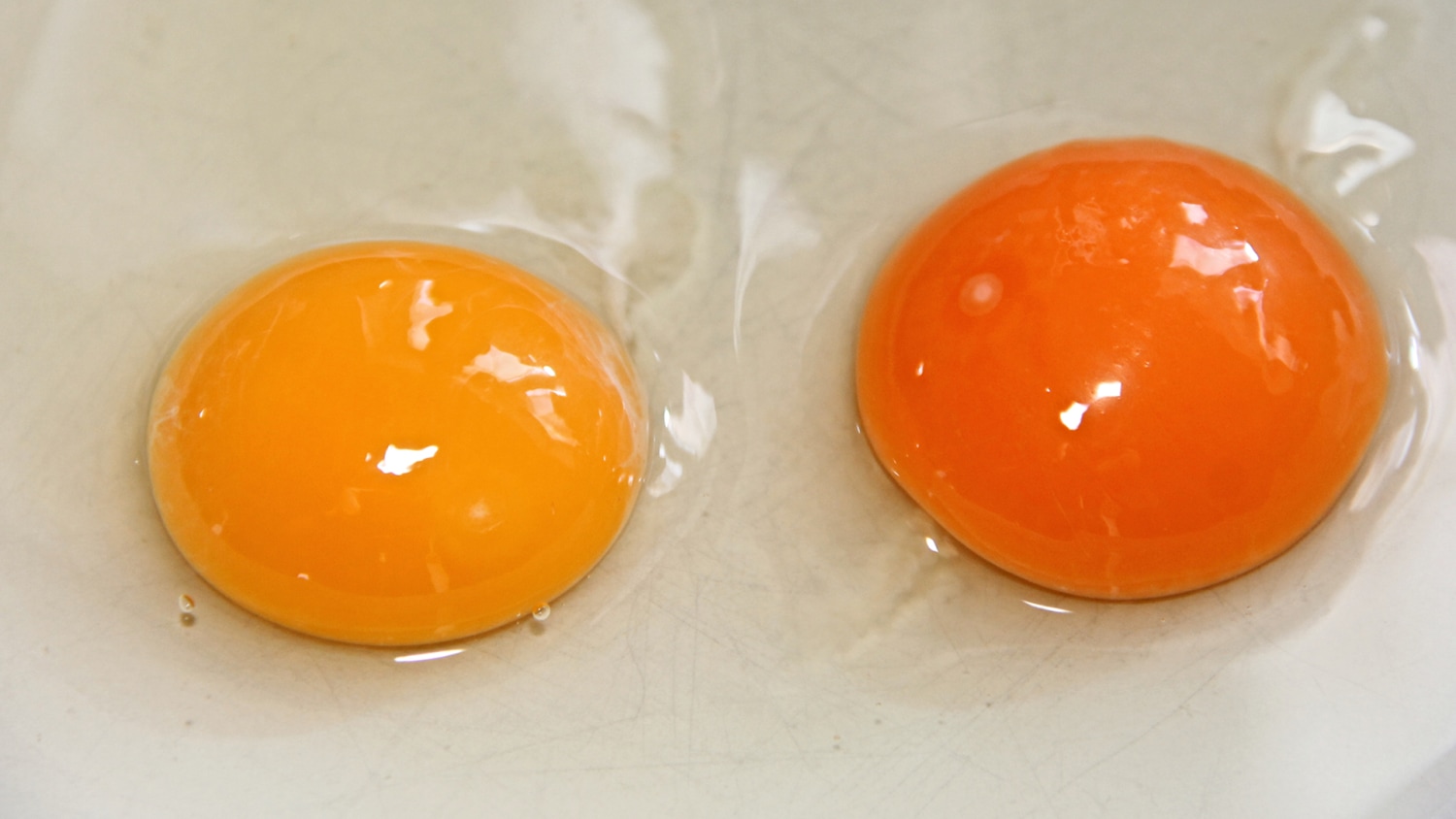
- Once ingested, astaxanthin is absorbed from the intestinal tract, enters the bloodstream of the body, and is deposited into the developing yolk follicle, resulting in a deeper, reddish-orange color.
Research Insight: Experiments show that hens fed astaxanthin (at 10–40 mg/kg of feed) produce very much more intensely coloured yolk colour scores on the Roche scale than control xanthophyll-fed diets.
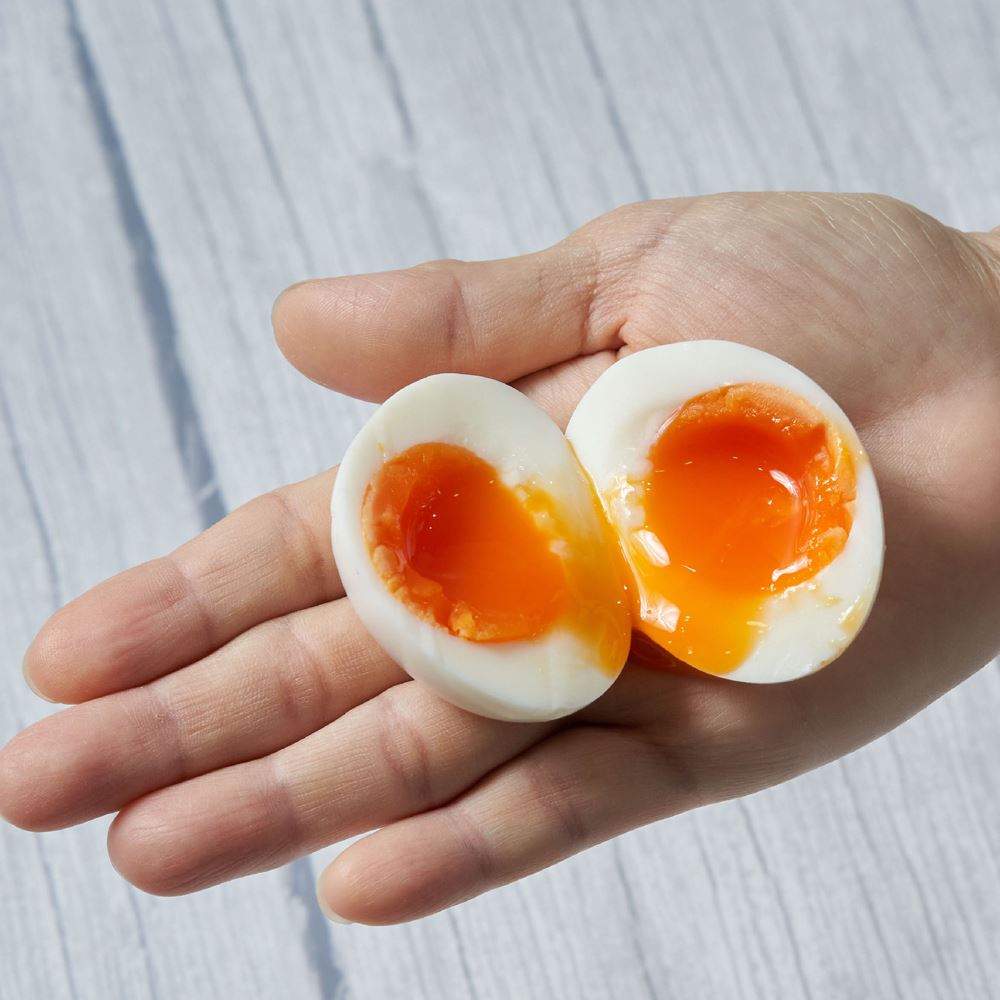
Advantages to Utilize Astaxanthin for Yolk Pigmentation
1. Richer, More Consistent Yolk Color
- Astaxanthin achieves deep orange-red yolk color without added synthetic coloring.
- It generates uniform coloration, even under varying hen health and feeding.
2. Natural and Clean-Label
- Ideal for free-range, organic, or premium egg farmers.
- Complies with consumers' requirement for natural, antibiotic-free, and additive-free food.
3. Antioxidant Protection
- Astaxanthin protects the lipids in the yolk from oxidation.
- Affects shelf life and nutritional quality for the better.
4. Hen Health Support
- It supports the immune function, reproductive status, and stress resistance of the hen.
- Healthy hens produce better quality and more marketable eggs.
Recommended Use in Layer Diets
- Application Dosage (mg/kg feed) Desired Benefit
- Mild color enhancement 10–20 mg/kg Slight orange yolk
- Premium color depth 30–40 mg/kg Bright reddish yolk
- Functional egg production 40–60 mg/kg Color + antioxidant improvement
Tip:
Combine astaxanthin with lutein (from marigold) to produce an optimal yelloish-orange color with the added benefit of eye health improvements.

Natural vs. Synthetic Pigments
| Feature | Astaxanthin (Natural) | Canthaxanthin (Synthetic) |
|---|---|---|
| Source | Microalgae, krill | Petrochemical synthesis |
| Safety | Generally regarded as safe | Strict usage limits |
| Consumer preference | High | Low |
| Regulatory status | Widely accepted | Regulated in some countries |
| Additional benefits | Antioxidant, immune support | None beyond color |
Using natural astaxanthin not only benefits egg quality, but also allows producers to develop a market niche for their products.

Feed Formulation Tips
- Use microencapsulated astaxanthin for stability in mash or pelleted diets.
- Add to the finisher or peak-lay ration for optimum yolk color.
- Keep proper fat inclusion in the diet for enhanced carotenoid assimilation.
- Mix with vitamin E or selenium to ensure antioxidant activity.

Market Impact: Luxury Eggs from Natural Sources
Due to consumer demand for:
- Organic eggs
- Pasture-raised brand names
- Functional eggs with high antioxidant levels
astaxanthin supplementation is a natural solution to ensure deep yolk color without artificial additives.
Producers may market eggs as:
- "Naturally pigmented"
- "Astaxanthin-enhanced for deep yolk color"
- "High in antioxidants for freshness and health"
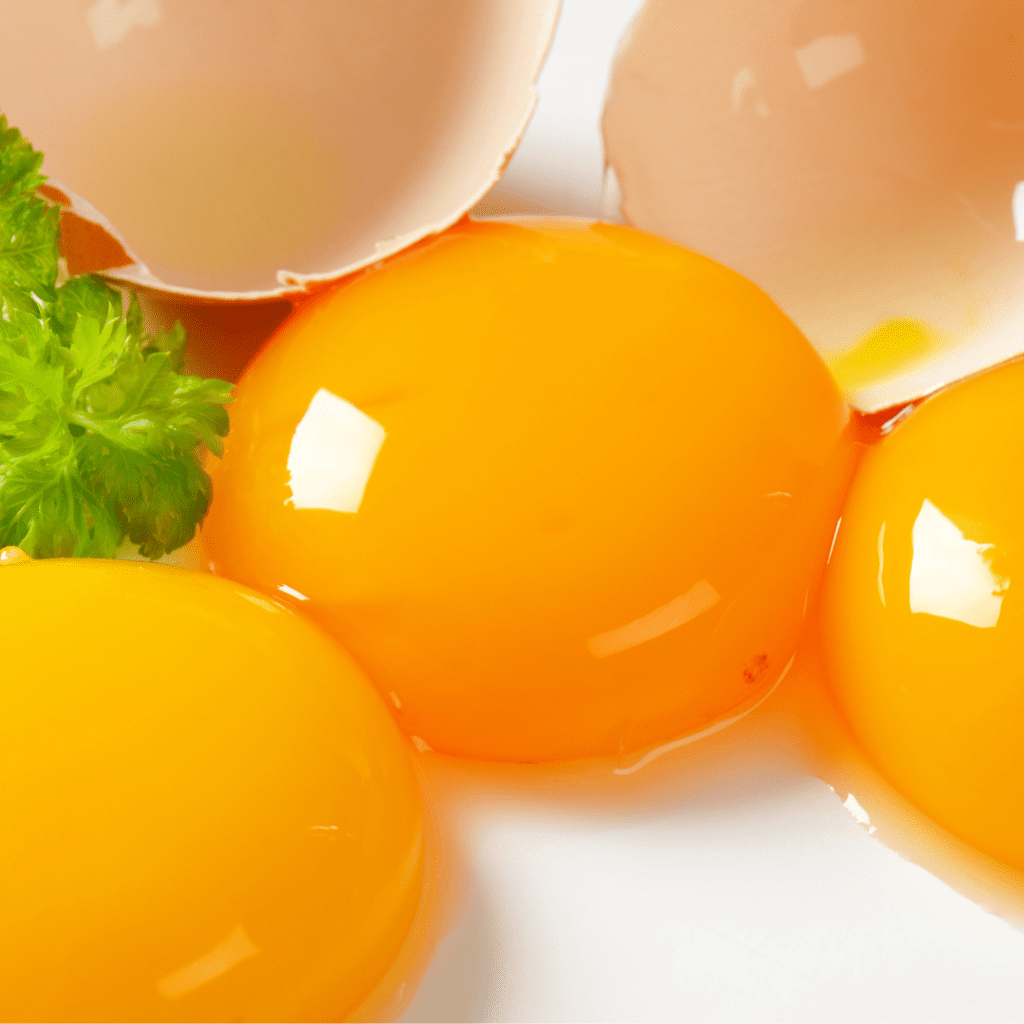
Final Thoughts: A Natural Revolution in Egg Pigmentation
Astaxanthin is not only more color-it's more eggs. By coloring yolks naturally without stressing hens or affecting egg quality, this powerful carotenoid is the ultimate solution for existing poultry production.
For manufacturers who wish to remain ahead of consumer demand for natural, wholesome, and beautiful eggs, astaxanthin is a value-investing premium ingredient.
References
Liu, X., et al. (2006). Effects of astaxanthin on laying performance and yolk color in laying hens. Poultry Science.
Hussein, G., et al. (2006). Astaxanthin as a carotenoid pigment and antioxidant in poultry nutrition. World's Poultry Science Journal.
Ambati, R. R., et al. (2014). Astaxanthin: Sources, extraction, stability, biological activities. Marine Drugs.


