Astaxanthin, commonly described as the "king of carotenoids," is a highly potent natural antioxidant and pigment essential to fish growth, color, and general health. Regardless of whether you're in ornamental fish keeping or commercial aquaculture, astaxanthin can significantly improve the vitality and quality of your fish-provided it's applied correctly.
In this blog, we'll discuss what astaxanthin is, its major advantages for fish, and most importantly, how to apply it efficiently in various aquaculture systems.

What Is Astaxanthin?
Astaxanthin is a naturally occurring red-orange carotenoid pigment that is present in Haematococcus pluvialis microalgae, krill, shrimp, and salmon. It gives the reddish-pink color to animals such as:
- Salmon
- Trout
- Red snapper
- Ornamental fish (e.g., koi, goldfish)
Aside from its function in pigmentation, astaxanthin is a potent antioxidant that is effective in lowering oxidative stress, improving immune function, and promoting reproductive and cardiovascular well-being in fish.
Astaxanthin Benefits for Fish
Supplementation with astaxanthin may provide numerous advantages to farmed and ornamental fish:
1. Improved Coloration
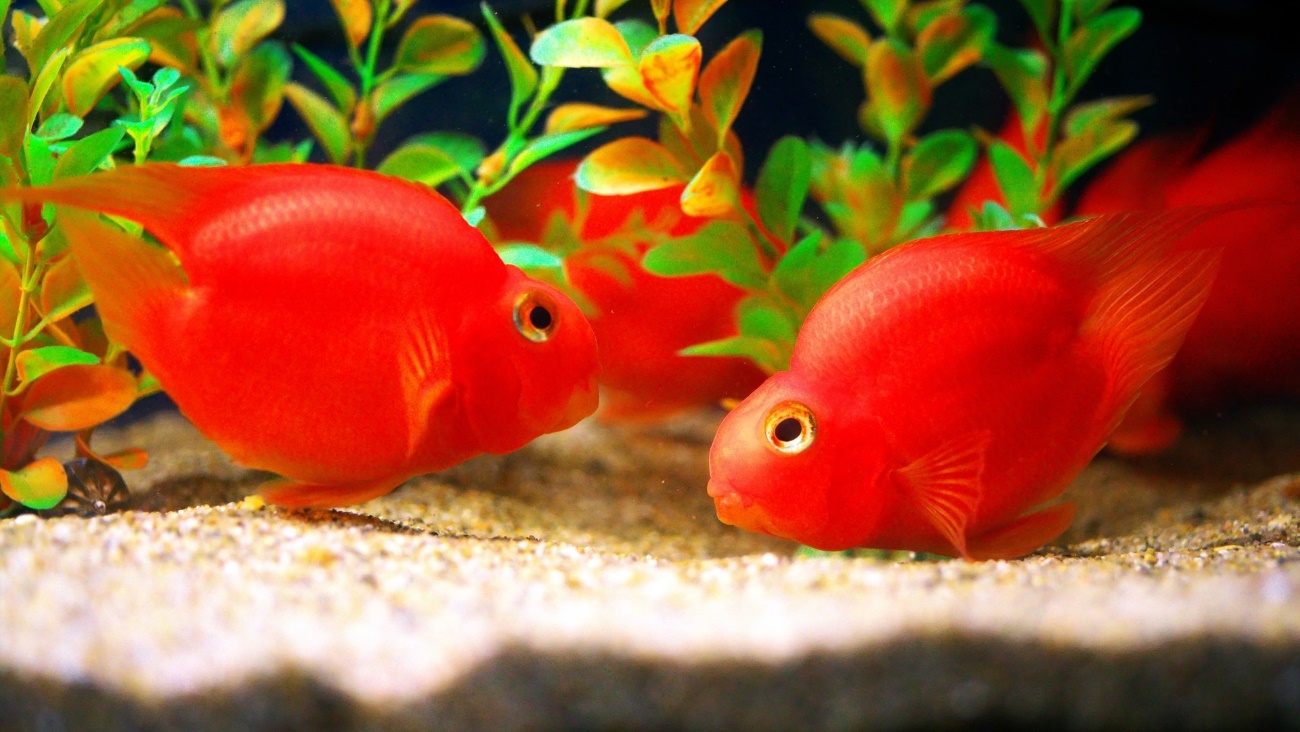
Astaxanthin enhances red, orange, and pink coloration of:
- Salmon and trout flesh
- Ornamental fish scale and skin
- Shrimp shells
Vibrant, bright color enhances not just appearance but also market value and consumer appeal.
2. Enhanced Growth and Feed Efficiency
Astaxanthin promotes:
- Better nutrient uptake
- More efficient energy generation at the cellular level
- Less inflammation and stress
This leads to enhanced growth and improved feed conversion ratios (FCRs).
3. Enhanced Immune System
Astaxanthin enhances the immune response by:
- Improving phagocytic activity
- Enhancing the functioning of white blood cells
- Preventing oxidative damage from environmental stressors
This helps fish better resist diseases common in high-density systems.
4. Better Reproductive Health
Broodstock fed astaxanthin tend to:
- Produce better quality eggs and sperm
- Have improved fertility and hatch rates
- Raise stronger, more resilient fry
5. Stress Resistance
Astaxanthin helps fish cope with stress from:
- Poor water quality
- Handling and transport
- Temperature fluctuations
Reducing stress means lower mortality and higher productivity.

Forms of Astaxanthin for Fish
Astaxanthin is available in several formulations:
| Type | Source | Application |
|---|---|---|
| Natural | Haematococcus pluvialis algae | Health & color |
| Krill-based | Krill meal/oil | Health, omega-3 support |
| Synthetic | Lab-made | Primarily for pigmentation |
| Microencapsulated Powder | Stabilized form | High-temp feed processing |
| Liquid/Oil Form | For top-coating | Small-scale, flexible dosing |
For use in ornamental fish or high-quality aquaculture products, natural astaxanthin is preferred because of its better antioxidant activity and bioavailability.

How to Use Astaxanthin in Fish Feed
Here are the principal ways of adding astaxanthin to fish diets:
1. Premixed Commercial Feed
Numerous aquaculture feed manufacturers produce ready-to-use diets with a set concentration of astaxanthin-usually intended for:
- Salmonid pigmentation
- Shrimp and ornamental fish coloration
Check the label for dosage levels and natural vs. synthetic source.
2. Top-Coating Feed Pellets
For small operations or custom feeding programs:
- Blend astaxanthin powder or oil with a small volume of fish oil or water
- Coat the pellets evenly
- Allow them to dry before feeding
This process provides even coverage and ease of dosage adjustment.
3. Custom Feed Formulation
When preparing your own feed:
- Add astaxanthin powder at mix time
- Use microencapsulated products if the feed is to be heat-extruded
- Make sure there is uniform blending to avoid dosing variation

Recommended Dosages
| Fish Species | Purpose | Dosage (mg/kg feed) |
|---|---|---|
| Salmon, Trout | Flesh pigmentation | 50–100 mg/kg |
| Ornamental Fish | Color + immunity | 20–60 mg/kg |
| Tilapia, Catfish | General health | 20–40 mg/kg |
| Broodstock (various) | Fertility support | 40–100 mg/kg |
| Shrimp | Shell color + health | 40–100 mg/kg |
Note: For ornamental fish, color improvement results will usually be visible within 2–4 weeks of regular feeding.

Duration of Use
Pigmentation: Use regularly for at least 30–45 days to observe noticeable color changes.
Health/Immunity: May be used long-term for maintenance and resistance to disease.
Broodstock Reproduction: Begin 30–60 days prior to spawning season for optimal effect.

Safety Precautions and Tips
- Prevent over-supplementation that results in product waste and rising feed expenses.
- Maintain in a cool, dry, dark place to avoid degradation.
- To preserve bioactivity for fish feed processing, use heat-stable (microencapsulated) forms.
- Select natural astaxanthin if you are marketing premium or functional fish products.

Sustainability and Market Trends
As consumers shift towards natural, clean-label seafood, employing astaxanthin derived from algae or krill is in line with:
- Sustainable aquaculture practices
- Antibiotic-free fish farming
- Functional feed trends
Astaxanthin-fed fish can also be promoted with value-added labels such as:
- "Naturally colored"
- "Rich in antioxidants"
- "High-quality flesh appearance"

Final Thoughts
Astaxanthin is a tried-and-tested, multi-purpose additive in fish nutrition. Whether your intention is to:
- Improve flesh or skin coloration
- Enhance immune function
- Improve growth and feed efficiency
- Optimize reproductive success
it's one of the best natural supplements out there today.
Depending on your scale and objectives, how you apply astaxanthin-whether through top-coating or premixed feed-is up to you. Used correctly with dosage and application, it can greatly enhance the health, performance, and worth of your fish.
References
Choubert, G., & Heinrich, O. (1993). Influence of astaxanthin sources on pigmentation and growth in rainbow trout. Aquaculture International.
Pan, C. H., et al. (2012). Effects of dietary astaxanthin on Pacific white shrimp (Litopenaeus vannamei). Aquaculture Research.
Ambati, R. R., et al. (2014). Astaxanthin: Sources, extraction, and health benefits. Marine Drugs.