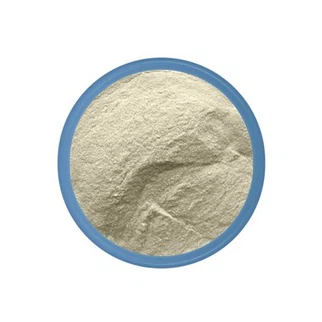
Inflammation is a common underlying etiology for many chronic animal disorders - ranging from geriatric dog and horse joint disease to gastrointestinal or respiratory inflammation in livestock. Nonsteroidal synthetic anti-inflammatory agents like NSAIDs are commonly used, but chronic use is associated with undesirable untoward effects of gastric mucosal injury, renal damage, and hepatic stress.
With the rise in interest in discovering safer and more natural therapies, Boswellia serrata extract has emerged as a powerful plant extract with a long history in traditional medicine and increasing scientific proof in contemporary veterinary medicine.
Known also as Indian frankincense, this resin-derived extract contains bioactive compounds called boswellic acids, which have potent anti-inflammatory and antioxidant effects. Today, it is increasingly used in formulations for pets, horses, and livestock to support joint health, mobility, and overall wellness - naturally and effectively.
In this article, we'll explore the science behind Boswellia serrata extract, its mechanisms of action, animal-specific applications, dosages, and scientific evidence supporting its benefits.
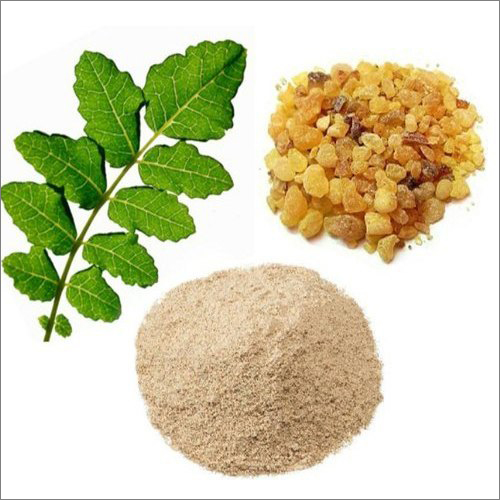
What is Boswellia Serrata Extract?
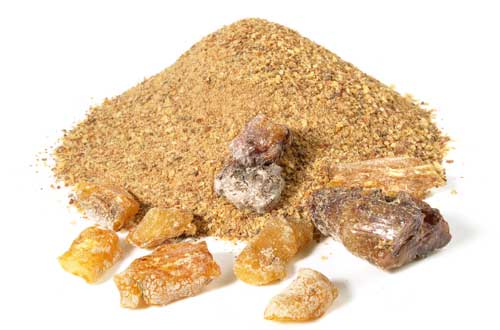
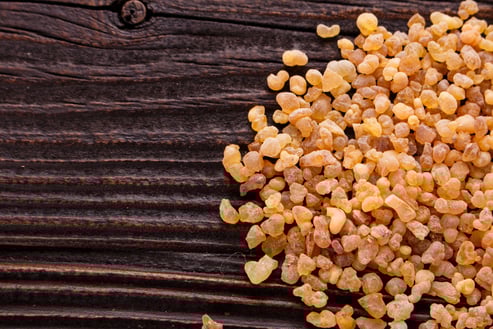
Boswellia serrata is a plant native to India, North Africa, and the Middle East. Resin from its bark is gathered and processed to produce Boswellia serrata extract containing boswellic acids - the major compounds for its anti-inflammatory and pain-relieving effects.
These acids inhibit inflammation-associated enzymes and pathways and render Boswellia to be a therapeutically valuable natural medicine for the modulation of arthritis, joint inflammation, colitis, and respiratory inflammation in several models of animals.
Major most active constituents are:
- β-boswellic acid (BA)
- Acetyl-β-boswellic acid (ABA)
- 11-keto-β-boswellic acid (KBA)
Acetyl-11-keto-β-boswellic acid (AKBA) - most active anti-inflammatory constituent among them.

How Boswellia Serrata Works: Mechanism of Action
It is controlled by an intricate system of enzymes, cytokines, and mediators like prostaglandins and leukotrienes. All but one of the man-made anti-inflammatory drugs (e.g., NSAIDs) inhibit the COX (cyclooxygenase) pathway, decreasing prostaglandin formation with resultant gastric side effects.
Boswellia does operate in a different pathway - selectively inhibiting the 5-lipoxygenase (5-LOX) pathway, which prevents the production of leukotrienes, highly important mediators of allergy and inflammation. This action renders Boswellia:
- Effective in reducing chronic inflammation.
- Gentle to the stomach and intestines.
- Adequate for prolonged use in animals.
In addition, boswellic acids reduce oxidative stress by eliminating free radicals and enhancing antioxidant defense mechanisms, which again supports cell defense and tissue repair.

Major Maximum Benefits of Boswellia Serrata Extract in Animals
Joint Health and Mobility Support
The most common application of Boswellia in animals is in mobility and joint formulas. Senior animals, competition horses, and cattle get osteoarthritis or degenerative joint disease, causing pain and stiffness.
The anti-inflammatory action of Boswellia reduces:
- Swelling and tenderness of joints.
- Improves comfort and mobility.
- Prevents breakdown of collagen and protects cartilage.
Study Highlight
Reichling et al. (2004) verified that Boswellia extract significantly improved osteoarthritis in dogs, including pain, as well as locomotion, after 6 weeks of supplementation.
Respiratory Health
Inhibition of leukotriene production by Boswellia serrata is also good for respiratory health because leukotrienes play a role in bronchoconstriction and airway inflammation.
This makes Boswellia beneficial for:
- Horses with heaves (recurrent airway obstruction).
- Dogs and cats with chronic bronchitis or asthma syndrome.
- Livestock exposed to dusty conditions or ammonia accumulation in barns.
Through inhibition of airway inflammation and mucus formation, Boswellia enables effortless breathing and improved oxygenation.
Digestive and Gut Well-being
Boswellia has assisted in treating inflammatory bowel disease through the maintenance of intestinal mucosa and gut lining inflammation prevention.
In animals, it can:
- Enhance healing of colitis, enteritis, and diarrhea.
- Maintain a balanced gut microbiome.
- Improve nutrient utilization and feed efficiency in animals.
Study Highlight
Gerhardt et al. (2001) illustrated Boswellia's ability to alleviate symptoms of ulcerative colitis in human subjects, which it also has the ability to improve animal digestive health.
Skin and Allergy Relief
Pet allergy dermatitis and scratching often have their roots in basic inflammation. Boswellia's natural anti-inflammatory and immune-modulating action can cure skin allergies without the side effects of steroids.
- Relieves redness and itch.
- Promotes wound healing.
- Can be combined with omega-3 fatty acids to induce synergy.
Anti-Cancer and Cellular Protection
Early evidence suggests that AKBA (acetyl-11-keto-β-boswellic acid) inhibits tumor growth and triggers cell death in certain cancers. With the further development of veterinary oncology as a science, Boswellia can be expected to have supportive effects on treated animals in the following ways:
- Suppressing tumor-associated inflammation.
- Activating the immune system.
- Enhancing overall energy.
Applications by Animal Type
Dogs and Cats
- Used mainly for arthritis, hip dysplasia, and allergies.
- Usually incorporated into joint chews, capsules, or powder.
- Usually combined with glucosamine, MSM, or turmeric for enhanced effects.
Optimal dose:
- Dogs: 50–100 mg/kg daily (formulation- and purity-dependent).
- Cats: 20–50 mg/kg daily (use under veterinary direction).
Horses
Performance horses endure joint stress, inflammation, and respiratory stress. Boswellia is typically added to equine supplements utilized for:
- Joint comfort and recovery.
- Respiratory support in stabled or racehorses.
- Anti-stress and recovery post-competition.
Ideal dosage:
- 3–6 g daily of Boswellia extract (65% boswellic acids standardized).
Study Highlight:
- Pearson et al. (2015) reported that horses fed Boswellia had reduced joint swelling and improved mobility with no adverse effects.

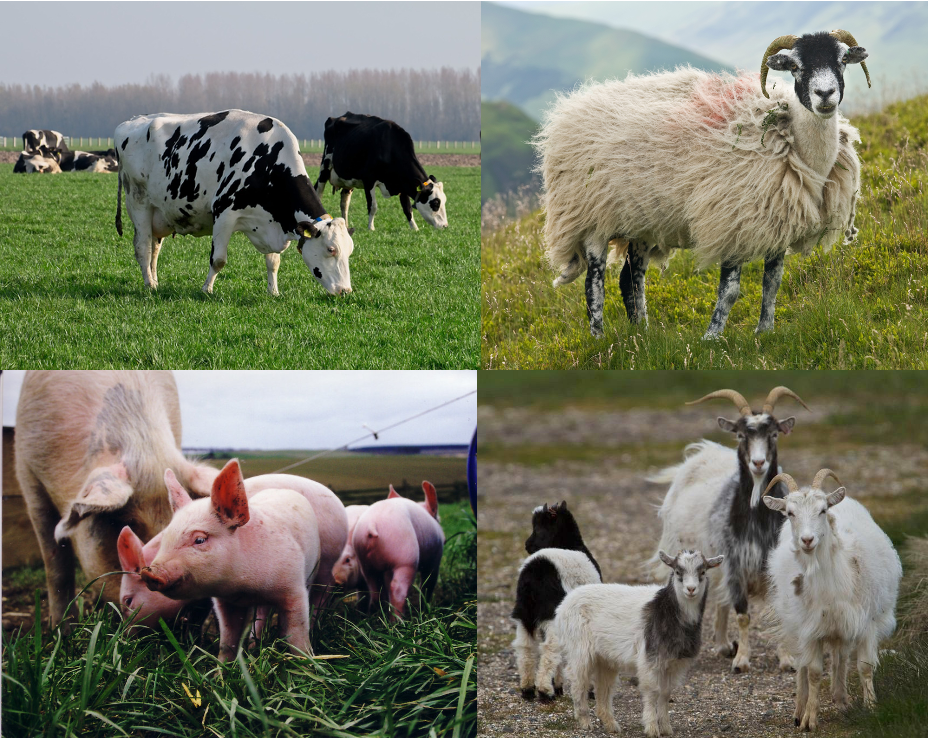
Livestock (Cattle, Sheep, Pigs)
Acute inflammatory conditions in farm animals can reduce productivity, immune resistance, and feed efficiency. Boswellia supports:
- Joint comfort in mature or heavy animals.
- Respiratory function in hot or dusty environments.
- Healthy gut by enhanced gut integrity and diminished inflammation.
- Meat and milk quality by enhanced overall health status.
Aquaculture (New Use)
Aquaculture fish and shellfish, feed stress infection or inflammation influence survival and growth. Boswellia extract is researched for:
- Decreased gut inflammation.
- Enhanced immune response and disease resistance.
- Facilitating sustainable aquaculture with decreased antibiotic use.

Safety and Side Effects
Boswellia serrata is tolerated well in animals at therapeutic doses. It is much less likely than NSAIDs or corticosteroids to induce:
- Gastric irritation.
- Liver or kidney stress.
- Hormonal imbalance.
But more-than-normal doses at intervals may result in:
- Loosening of the stool or soft stool.
- Decreased appetite in sensitive animals.
As with all supplements, veterinary monitoring is recommended, particularly in pregnant or lactating animals and animals with pre-existing medical conditions.

Synergistic Combinations
Boswellia gains potency when combined with other natural anti-inflammatories and antioxidants like:
- Turmeric (Curcumin): Double inhibition of COX and LOX pathway to increase anti-inflammatory efficacy.
- MSM (Methylsulfonylmethane): Supplementation of joint tissues along with pain relief.
- Omega-3 Fatty Acids: Enhanced anti-inflammatory and cardiovascular effects.
- Yucca schidigera Extract: Antioxidant and anti-inflammatory effect due to saponins.
These blends are turned into whole joint and health supplements for animals and livestock.

Sustainability and Quality Factors
When purchasing Boswellia serrata extract for animals, quality is important.
Look for:
- Standardized extracts (i.e., 65% boswellic acids or more).
- Solvent-free extraction processes.
- Proven purity and stability to be used as feed.
- Eco-friendly production so that Boswellia stocks are not depleted from nature.
Suppliers such as HJ HERB provide Boswellia extract appropriate for use in animal feed products for uniform quality, activity, and value for industrial use.
Conclusion
Boswellia serrata extract is not an herb - it's a science-supported, natural anti-inflammatory that produces long-term health benefits in animals without threat of man-made medication.
Cats and canines, horses and livestock are all made comfortable by it, inflammation is minimized, respiratory and digestive function are improved, and overall energy is increased.
With increasingly natural, sustainable, and antibiotic-free animal supplements gaining traction, Boswellia offers a safe, effective, science-based alternative that unites ancient traditions and emerging veterinary science.
Adding pure Boswellia serrata extract to food or supplement products enables companies to have healthier, happier, more hardy animals - naturally
Scientific References
Reichling, J., et al. (2004). Boswellia serrata extract in dogs with osteoarthritis. Journal of Veterinary Pharmacology and Therapeutics, 27(6), 453–459.
Gerhardt, H., et al. (2001). Therapy of active Crohn disease with Boswellia serrata extract. European Journal of Medical Research, 6(8), 355–358.
Sengupta, K., et al. (2011). Comparative efficacy and tolerability of 5-Loxin® and Aflapin® in osteoarthritis of the knee: a double-blind, randomized clinical study. International Journal of Medical Sciences, 8(6), 444–453.
Pearson, W., Fletcher, R. S., Kott, L. S., & Hurtig, M. B. (2015). Evaluation of anti-inflammatory activity of Boswellia serrata in horses. Canadian Veterinary Journal, 56(8), 844–850.
Sharma, M. L., et al. (1989). Anti-inflammatory activity of the triterpenes of Boswellia serrata Roxb. Indian Journal of Pharmacology, 21(2), 89–91.