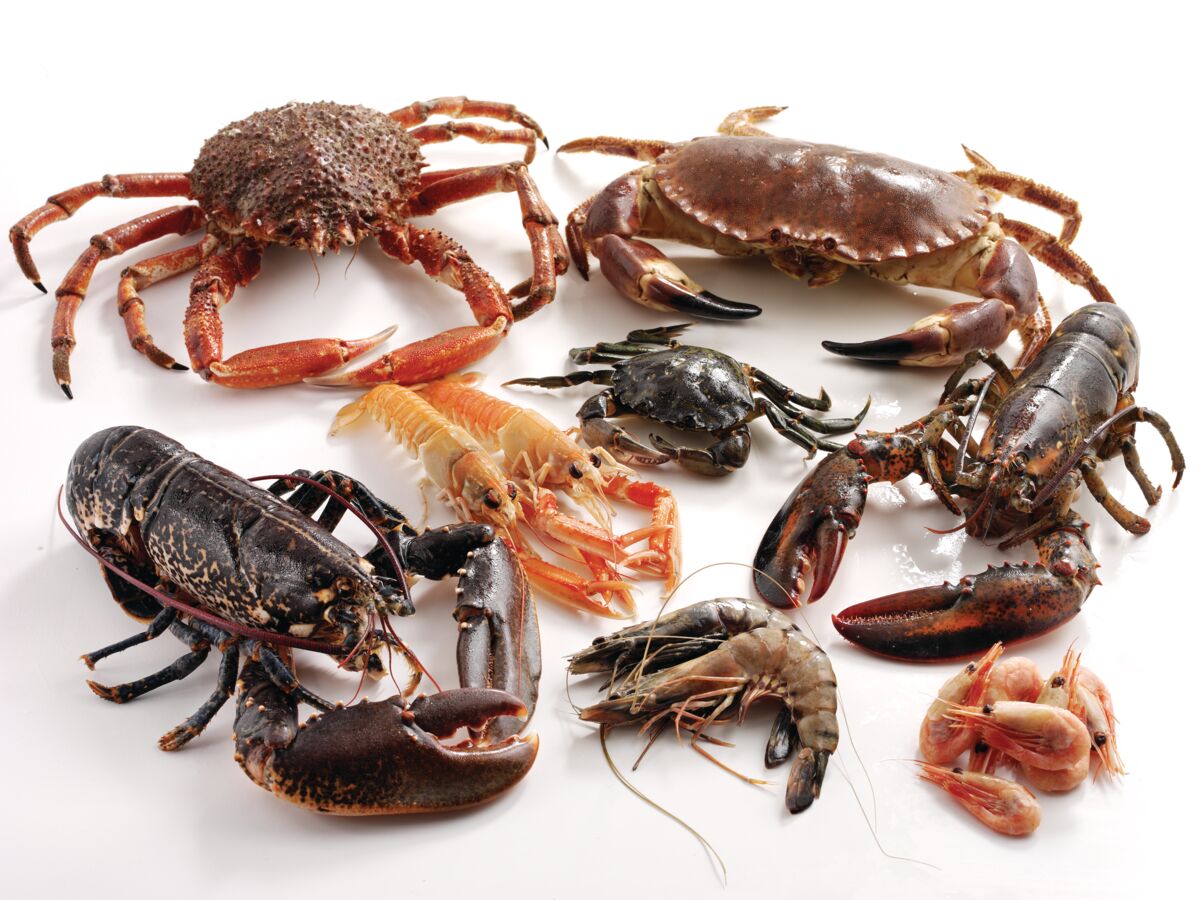
Crustacean aquaculture - such as shrimp, prawns, crabs, and lobsters - is among the world's most rapidly growing industries in the international seafood industry. Cited by NovaNutrients, with increased consumer demand for high-quality, healthy, disease-free, and well-colored crustaceans, nutrition is the most fundamental factor in maximizing survival, growth, and market value. Among emerging new natural feed additives with high potential, astaxanthin powder has been of notable utility to promote health, pigmentation, immunity, and stress resistance.
But is astaxanthin really the key to healthier crustaceans? It is the subject of discussion in this article regarding its application in crustacean biology, scientific evidence of its efficacy, recommended use, and wider application in sustainable aquaculture.
What is Astaxanthin?
Astaxanthin is naturally occurring red-orange xanthophyll carotenoid found in microalgae such as Haematococcus pluvialis and yeasts such as Phaffia rhodozyma. Astaxanthin accumulates in the shell and meat of crustaceans when they consume algae or animals with the high astaxanthin levels, pigmentation them.
Surface coloring aside, astaxanthin is the most potent of the naturally occurring antioxidants, much more potent than beta-carotene or vitamin E. It is a scavenger of free radicals, protecting cellular constituents from oxidative damage and helping in crucial physiological functions.

Why Crustaceans Need Astaxanthin
Crustaceans cannot synthesize carotenoids. As such, they have to obtain astaxanthin from diet. Synthetic feed in aquaculture does not normally have sufficient natural sources. It is thus supplemented with astaxanthin powder for:
- Maintenance of high pigmentation for market value.
- Asthinization of immunity for protection against infection.
- Increased resistance to stress under intensive culturing conditions.
- Contributes to growth, reproduction, and survival.
Weak color, reduced fertility, high mortality, and increased susceptibility to disease in crustaceans may result from a lack of adequate astaxanthin.

The Science Behind Astaxanthin's Effects
1. Antioxidant and Immune System Enhancer
Crustaceans undergo oxidative stress due to abiotic stresses such as temperature fluctuations, water quality degradation, and contact with pathogens. Astaxanthin's antioxidant property benefits:
- Reactive oxygen species (ROS) scavenging.
- Activation of antioxidant enzyme activity (e.g., superoxide dismutase, catalase).
- Initiation of innate immune responses.
2. Enhanced Pigmentation
Astaxanthin is directly responsible for deep red-orange shell pigmentation in shrimp and crab carapace pigmentation. Such pigmentation is of serious consequence to consumer acceptability and price at market.
3. Improved Growth and Feed Efficiency
Astaxanthin increases the metabolism of nutrients and energy. Improved cells and reduced oxidative damage are expressed in the form of improved growth rates and feed conversion ratio.
4. Stress Resistance and Survival
Stress due to aquaculture conditions such as high stocking density, salinity stress, and thermal shock may suppress immunity. Astaxanthin is able to prevent stress-induced oxidative damage and membrane stabilization, improving overall resistance.
5. Reproductive Health and Larval Quality
Astaxanthin is deposited in ovaries and eggs and supports embryo development and viability of larvae. Astaxanthin addition in broodstock diet increases viable egg numbers and healthier larvae.

Recommended Use in Crustacean Feed
Maximum inclusion rate depends on species, life stage, and intended use:
| Application | Recommended Astaxanthin Level |
|---|---|
| Pigmentation & health in grow-out | 50–150 mg/kg feed |
| Broodstock diets | 100–200 mg/kg feed |
| Post-larval/juvenile stages | 25–75 mg/kg feed |
- Nature astaxanthin from Haematococcus pluvialis or yeast is preferred due to antioxidant activity.
- Encapsulated formats enhance stability in feed manufacture.
- Co-supplementation with omega-3s and vitamin E maximizes benefits.

Economic and Practical Advantages
- Enhanced Market Value: Improved-coloured shrimp and crabs command premium prices.
- Lower Disease Losses: Enhanced immunity saves lives and cuts antibiotic usage.
- Better FCR: Enhanced feed conversion saves on feed costs.
- Broodstock success: Enhanced reproductive return saves on seed cost.
Natural astaxanthin, although more costly than synthetic forms, is frequently warranted by its multi-functional benefits.

Sustainability and Consumer Trends
Astaxanthin aligns with the notion of sustainable, antibiotic-free aquaculture. Microalgae astaxanthin that occurs naturally answers consumer demands for "natural" seafood and clean labels and sustains green production.

Safety and Regulations
Widespread studies affirm the safety of astaxanthin in aquaculture species at recommended dosages. It is safe to consume, non-carcinogenic, and non-toxic.
Astaxanthin was ranked by FAO/WHO and EFSA as a safe feed additive.
Regional feed regulation (e.g., EU, FDA, ASEAN) is covered to ensure responsible use.
Challenges in Use
Cost: Natural sources are expensive.
Stability: Astaxanthin is light, heat, and oxygen sensitive; encapsulation must be done.
Bioavailability: Depends on level of dietary fat and type of source.
Correct formulation practices and quality control by suppliers are essential to successful supplementation.
The Future of Astaxanthin in Aquaculture
As demand for high-quality, sustainable seafood continues to grow, opportunity for astaxanthin grows with it. Emerging technologies like microencapsulation, fermentation-based production, and bioreactor culture of algae are lowering costs and enhancing access.
Astaxanthin is increasingly considered a pigment that's more than pigment - a functional ingredient - a cornerstone for next-generation functional aquafeeds to enhance health, productivity, and product quality.

Conclusion
So, is astaxanthin powder then the key to healthier crustaceans?
All the indications point to a yes. Its twin functions as pigment and potent antioxidant make it a requirement of today's crustacean aquaculture. Through color and immunity, and also through growth, reproduction, and survival, astaxanthin provides all-round protection against disease.
Through investing in high-quality natural astaxanthin and applying it in a strategic manner, growers can enjoy greater productivity, better market price, and eco-friendly cultivation - resulting in healthier crustaceans and more successful aquaculture business.
References
Chien, Y. H., & Shiau, W. C. (2005). The effects of dietary supplementation of algae and synthetic astaxanthin on pigmentation, survival, growth, and reproduction of kuruma prawn (Marsupenaeus japonicus). Journal of Shellfish Research, 24(2), 529–536.
Niu, J., Tian, L. X., Liu, Y. J., Yang, H. J., Ye, C. X., & Gao, W. (2009). Effect of dietary astaxanthin on growth, survival, and stress tolerance of shrimp (Litopenaeus vannamei). Aquaculture, 287(3-4), 404–408.
Pan, C. H., Chien, Y. H., & Hunter, B. (2011). The antioxidant defense system of shrimp is enhanced by dietary astaxanthin. Aquaculture, 315(3-4), 264–268.
Meunpol, O., Meejing, P., & Piyatiratitivorakul, S. (2005). Maturation diet based on astaxanthin supplementation in shrimp broodstock (Penaeus monodon). Aquaculture Research, 36(13), 1216–1225.
Guerin, M., Huntley, M. E., & Olaizola, M. (2003). Haematococcus astaxanthin: applications for human health and nutrition. Trends in Biotechnology, 21(5), 210–216.
Wade, N. M., Gabaudan, J., & Glencross, B. D. (2017). A review of carotenoid utilization and function in crustacean aquaculture. Reviews in Aquaculture, 9(2), 141–156.