As more and more pet owners turn to natural methods of enhancing the health of their cats, prebiotics such as chicory inulin are becoming more mainstream. With its reputation for promoting digestive function and immune defense, chicory inulin is an exciting addition to feline diets. But just how does it work, and is it safe and effective in cats?
In this blog, we'll dive into what chicory inulin is, how it functions in the digestive system, and the science behind its benefits for feline gut health and immunity.

What Is Chicory Inulin?
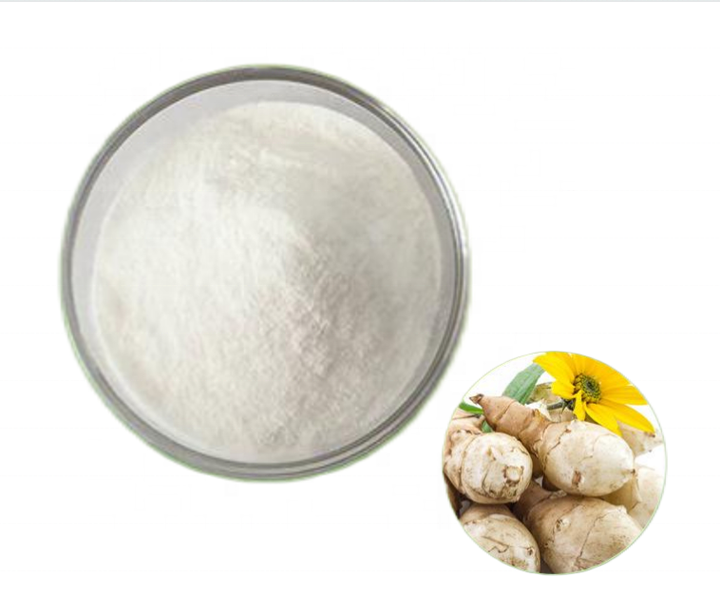
Chicory inulin is one of the prebiotic fibers obtained from the roots of chicory plant (Cichorium intybus). Inulin is a natural polysaccharide that belongs to the family of fructans, which are made up of chains of molecules of fructose. Inulin is not broken down in the higher GI tract like starches but moves on to the large intestine, where it serves as a fuel for friendly gut bacteria.
This fermentable fiber is crucial in modulating the microbiome and enhancing digestive efficiency-not only in humans, but also in pets such as cats.

The Gut Microbiome's Role in Cats
The cat gastrointestinal tract contains trillions of microorganisms that affect digestion, nutrient absorption, immune function, and overall health. A healthy microbiome aids:
- Prevent the overgrowth of pathogenic bacteria.
- Improve the barrier function of the gut lining.
- Stimulate the formation of short-chain fatty acids (SCFAs), which supply energy to colon cells and lower inflammation.
A disruption in the gut microbiota-often brought on by inadequate diet, disease, or antibiotics-can result in diarrhea, intolerance to food, and reduced immunity.

How Chicory Inulin Maintains Digestive Health in Cats
Chicory inulin is one of the most studied prebiotic fibers that are known to aid digestive function. When consumed, it escapes digestion in the small intestine and enters the colon intact, where it is fermented by beneficial bacteria like Bifidobacteria and Lactobacilli.
Here's how chicory inulin can benefit feline digestion:
1. Encourages the Growth of Good Bacteria
Studies indicate that inulin preferentially nourishes good gut bacteria, growing their numbers and decreasing bad microbes such as Clostridium perfringens or E. coli. This microbiota change is proven to enhance digestive regularity and decrease occurrences of diarrhea or constipation.
2. Improves Stool Quality and Regularity
Inulin fermentation results in the formation of short-chain fatty acids (SCFAs) such as butyrate, acetate, and propionate. SCFAs enhance water absorption within the colon, making stool consistency better. For cats with abnormal bowel movements or constipation, chicory inulin can provide a mild, natural remedy.
3. Supports Nutrient Absorption
Prebiotic-supplemented gut microbiome aids in improving nutrient assimilation and absorption by further promoting the effectiveness of digestion, including absorption of beneficial nutrients like magnesium, calcium, and some of the B-vitamins. It is especially important for kittens and geriatric cats that have impaired digestive efficiency.

Immune Benefits of Chicory Inulin in Cats
Approximately 70% of the immune system is housed in the gut, so gut health directly influences immune robustness. Inulin enhances immune function in a number of ways:
1. Inhibits Inflammation
By enhancing SCFA production and a healthy gut barrier, chicory inulin reduces systemic inflammation. Butyrate, in fact, is particularly recognized for its anti-inflammatory properties in the gut and elsewhere.
2. Activates Mucosal Immunity
Inulin has been found to enhance the synthesis of IgA (Immunoglobulin A), an antibody that coats the gut mucosa and protects against pathogens. In other mammals, a study revealed enhanced activity of gut-associated lymphoid tissue (GALT) after inulin supplementation (Roberfroid et al., 2010), which may translate to immune support in cats.
3. Reduces Risk of Infection
A balanced intestinal flora provides protection against the colonization of pathogenic bacteria and viruses. By supporting this microbial defense, inulin could prevent common feline enteric infections and their attendant signs such as vomiting or diarrhea.
Is Chicory Inulin Safe for Cats?
Chicory inulin is generally safe for cats if used in proper quantities. It is naturally occurring in some cat foods and digestive supplements on the market. Still, as it is a fermentable fiber, adding it too rapidly or in high doses might lead to gas, bloating, or even slight gastrointestinal distress.
Veterinarians suggest initiating with a minimal dose and increasing it slowly, particularly in sensitive stomach cats.

Recommended Dosage
No regulated dosage is recommended for chicory inulin in cats, but from extrapolated information for dogs and small animals, the typical dose recommendation is:
50–200 mg per kg body weight per day, depending on the condition of the cat and fiber tolerance.
Always consult a veterinarian before adding any supplement to verify that it will suit your pet's particular nutritional requirements.

Best Methods for Incorporating Chicory Inulin into a Cat's Diet
Chicory inulin can be added to the cat's diet by pet owners through:
Commercial pet prebiotic or probiotic powders that are specially designed.
Prebiotic-enriched natural fiber in cat food.
Homemade supplements using chicory root extract (consult your vet).
Make sure whatever product is used is not containing artificial sweeteners or additives such as xylitol, which is harmful to cats.

Scientific Evidence Supporting Prebiotics in Cat Nutrition
A number of animal studies confirm the advantages of prebiotics such as inulin:
- Kanakupt et al. (2011) reported that the supplementation of prebiotics in feline diets enhanced fecal consistency and boosted Bifidobacterium counts.
- Swanson et al. (2002) illustrated that fermentable fibers such as inulin enhanced nitrogen absorption and fecal quality in cats.
- Roberfroid et al. (2010) illustrated inulin's capacity to modulate the immune system as well as promote gut health in multiple species.
Though there are few specific feline trials, what evidence is available in pet animals indicates chicory inulin possesses significant health-promoting properties.
Conclusion
Chicory inulin is a highly effective, natural prebiotic with numerous advantages for cats-improving gut flora and digestion, immune defenses, and more. Included as part of a balanced, species-suited diet, it may be used to assist in maintaining general feline health, especially in cats with sensitive stomachs, abnormal bowel habits, or persistent infections.
When responsibly used and under the guidance of a veterinarian, chicory inulin is a promising complement to holistic pet care practices.
References
Roberfroid, M., Gibson, G., Hoyles, L., et al. (2010). Prebiotic effects: metabolic and health benefits. British Journal of Nutrition, 104(S2), S1–S63.
Swanson, K.S., Grieshop, C.M., Flickinger, E.A., et al. (2002). Fructooligosaccharides and Lactobacillus acidophilus modify gut microbial populations, total tract nutrient digestibilities and fecal protein catabolite concentrations in healthy adult cats. Journal of Nutrition, 132(12), 3461S–3465S.
Kanakupt, K., Vester Boler, B.M., Dunsford, B.R., et al. (2011). Effects of short-chain fructooligosaccharides and galactooligosaccharides on gut microbiota and immunity in healthy adult cats. Journal of Animal Science, 89(5), 1376–1384.
Beloshapka, A.N., Dowd, S.E., Suchodolski, J.S., & Swanson, K.S. (2013). Fecal microbial communities of healthy adult dogs fed raw meat-based diets with and without inulin or yeast cell wall extract. Journal of Animal Science, 91(2), 573–585.