Keeping your dog's digestive system in top shape is crucial for its overall health, and among natural ingredients finding its way into pet food is chicory inulin. Sourced from the chicory root (Cichorium intybus), inulin is a soluble fiber known as a prebiotic. While probiotics are live microbes, prebiotics such as inulin act as fuel for the friendly gut bacteria to keep them in a healthy, well-fed state, allowing them to dominate and exclude pathogenic microbes.
So, what exactly makes chicory inulin a valuable addition to your dog's diet? Let's explore how it promotes digestive health and overall vitality in dogs.

What Is Chicory Inulin?
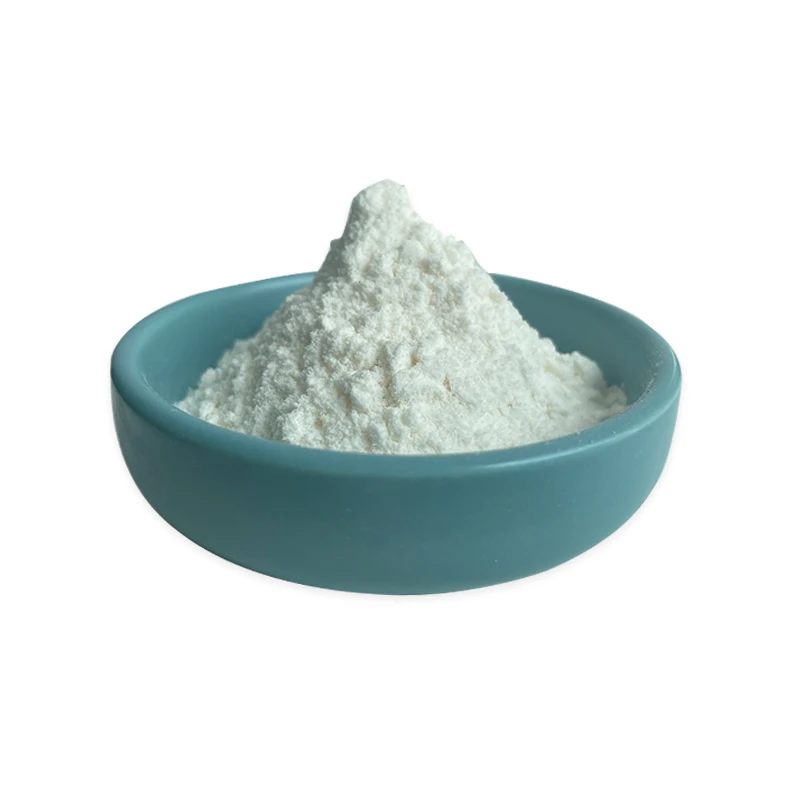
Chicory inulin is a dietary carbohydrate that naturally occurs as a fructan, consisting of primarily fructooligosaccharides (FOS). These undigestible fibers traverse the stomach and small intestine and are fermented in the colon by beneficial bacteria. Fermentation from chicory inulin yields short-chain fatty acids (SCFAs), like butyrate, acetate, and propionate, that are important in gut and immune function.

Chicory Inulin as a Prebiotic
As a prebiotic, inulin from chicory selectively nourishes the development of beneficial microorganisms, such as Bifidobacteria and Lactobacilli, in the gut. Feeding these good microbes, inulin inhibits pathogenic microbes like E. coli and Clostridium perfringens, the causative agent of gastrointestinal disorder in dogs.
The effect is a healthful microbial harmony in the colon, referred to as eubiosis, and is associated with enhanced digestion, improved nutrient assimilation, and immune function.

How Inulin Enhances Stool Quality and Regularity
One of the most noticeable advantages of chicory inulin is its effect on stool quality and consistency. Fermentation of inulin leads to enhanced stool bulk and moisture, making bowel movements more regular and easier to pass. This is particularly beneficial for constipation-prone dogs or those with irritable bowel syndrome (IBS)-like symptoms.
Additionally, by nourishing healthy populations of bacteria, inulin minimizes the production of odorous stool odors, which is usually a worry for pet owners.
Increasing Nutrient Absorption
A balanced gut microbiome translates into a more effective digestive system. The SCFAs generated via inulin fermentation also assist in maintaining the integrity of the intestinal lining and enhancing the absorption of minerals such as calcium and magnesium. This can be especially helpful in developing puppies, lactating females, or older dogs that need maximum nutrient absorption to sustain bone health, immunity, and metabolic function.
Immune System Benefits
About 70% of the body's immune system is located in the gut, so digestive health is essential for your dog to be able to fight off sickness. By feeding beneficial gut bacteria, chicory inulin acts indirectly to improve the body's immune defenses. Healthy microbes are in competition with unhealthy pathogens for nutrients and sticking sites, cutting down on opportunities for infection and inflammation.
Weight Management and Appetite Control
Chicory inulin also helps manage weight. As a soluble fiber, it helps to create a feeling of fullness and can assist in decreasing caloric consumption in overweight canines. By slowing down digestion, inulin stabilizes blood sugar levels and can inhibit spikes and dips in energy, leading to a more even metabolism.
Recommended Usage and Safety
Chicory inulin is considered safe for dogs when taken in adequate amounts. It is often contained in high-end pet foods, functional pet treats, and dietary supplements. Too rapid introduction or too large a dose might result in gas, bloat, or diarrhea, particularly in sensitive-stomach dogs.
It's advisable to start with small doses and gradually increase to allow your dog's digestive system to adapt. Always consult your veterinarian before adding new supplements to your pet's diet.
Final Thoughts
Chicory inulin is a concentrated natural substance that can greatly benefit your dog's digestive system. By feeding the good bacteria that live in your dog's intestinal tract, inulin enhances improved digestion, greater immunity, more healthy stools, and even weight management. From mild digestive distress to simply giving your dog's long-term wellness a boost, adding chicory inulin to their daily menu is a healthy and safe option for maintaining gut health.
References
Slavin, J. (2013). Fiber and Prebiotics: Mechanisms and Health Benefits. Nutrients, 5(4), 1417–1435. https://doi.org/10.3390/nu5041417
Swanson, K. S., et al. (2002). Effects of supplemental fructooligosaccharides and mannanoligosaccharides on immune function and fecal microbial populations in adult dogs. Archives of Animal Nutrition, 56(4), 309–318. https://doi.org/10.1080/17450390209381960
Delzenne, N. M., Neyrinck, A. M., & Cani, P. D. (2013). Modulation of the gut microbiota by nutrients with prebiotic properties: consequences for host health. Microbial Cell Factories, 12, 1–14. https://doi.org/10.1186/1475-2859-12-1
Flickinger, E. A., & Fahey Jr, G. C. (2002). Pet food and feed applications of inulin, oligofructose and other oligosaccharides. British Journal of Nutrition, 87(S2), S297–S300. https://doi.org/10.1079/BJN/2002550
Pet Food Institute. (2021). Understanding Fiber in Pet Foods. Retrieved from https://www.petfoodinstitute.org