As loving pet owners, we always want our furry companions to live long, happy, and active lives. That's why many are turning to natural supplements to support their pets' health-and one supplement gaining popularity is Coenzyme Q10 (CoQ10). Known for its energy-boosting and heart-protective properties in humans, CoQ10 is now being used to promote wellness in pets, too.
So, just what is CoQ10, and can it actually help your pet's heart and energy? Let's look at what science and experience tell us about this potent compound.

What Is Coenzyme Q10?
Coenzyme Q10, or ubiquinone, is a vitamin-like compound naturally manufactured in the body. It plays an important part in:
- Production of cellular energy (in the mitochondria)
- Protection against oxidative stress through antioxidants
- Aiding heart, liver, and immune function
Each cell in your pet's body requires CoQ10 to operate effectively, particularly high-energy organs such as the brain and heart.
As pets age, or with certain health conditions, their native CoQ10 levels can fall-making supplementation a consideration.

How Does CoQ10 Work in the Body?
CoQ10 is essential for the mitochondria, the cell's component that is in charge of producing ATP (adenosine triphosphate)-the body's primary energy source. When cells don't have sufficient CoQ10, they are unable to produce the energy they require, resulting in fatigue, weakness, and inefficient organ function.
It also serves as a very potent antioxidant, shielding tissues and organs from oxidative damage due to free radicals, which cause aging and chronic illnesses.

Benefits of CoQ10 to Pet Health
1. Maintains Heart Health
One of the best-documented advantages of CoQ10 is its cardiovascular support. This is especially valuable for:
- Senior pets
- Pets with heart disease (such as congestive heart failure, cardiomyopathy)
- Specific breeds of dogs susceptible to cardiac problems (such as Boxers or Dobermans)
Research has indicated that CoQ10 can:
- Improve heart muscle function
- Decrease fatigue and breathlessness
- Slow the advancement of heart disease
- Enhance quality of life in pets with cardiac disease
Sometimes veterinarians will prescribe CoQ10 in conjunction with conventional heart medications for more favorable results.
2. Improves Energy and Endurance
Since CoQ10 is integral to ATP manufacturing, it has the potential to benefit pets that are:
- Lazy or lacking vitality
- Recovering from disease or surgery
- Perpetually feeling tired due to age
CoQ10 makes pets look brighter, more vivacious, and more playful just a few weeks after starting it, according to owners.
3. Supports Immune Function
- CoQ10 can also promote immune function, particularly in geriatric animals or those with ongoing illness. Its antioxidant effects work to protect against inflammation and cell damage that ultimately compromises immunity over time.
4. Shields Against Oxidative Stress
Aging and degenerative disease result from oxidative stress. CoQ10 works to protect:
- The brain against loss of cognitive function
- The eyes against loss of vision
- The liver and kidneys against toxic accumulation
Pets with diseases such as diabetes, cancer, or metabolic disorders might especially benefit from the antioxidant support of CoQ10.
Is CoQ10 Safe for Pets?
Yes, CoQ10 is safe and well tolerated by dogs and cats if administered in the proper dosage. CoQ10 has been used in vet practice for decades, particularly in cardiac and geriatric medicine.
Nevertheless, always consult your vet first before giving any new supplement to your pet, particularly if your pet is:
- Taking other medications
- Pregnant or nursing
- Diagnosed with a chronic condition
Recommended Dosage for Pets
The correct dose of CoQ10 can differ based on the size, age, and health status of your pet. A general rule of thumb for dogs and cats is:
- Small pets (<10 lbs): 10–30 mg daily
- Medium pets (10–30 lbs): 30–50 mg daily
- Large pets (>30 lbs): 50–100 mg daily
Veterinary products come in capsules, liquids, and chews for convenient dosing.
Search for ubiquinone or ubiquinol, the more bioavailable form of CoQ10. Ubiquinol can be used more effectively in older animals or for those with a problem with absorption.

When to Use CoQ10 in Your Pet
You may want to add CoQ10 to your pet's life if they:
- Have been diagnosed with a heart issue
- Are less active or tired
- Are getting older and losing their energy
- Are convalescing from illness or surgery
- Have liver or kidney disease
- Benefit from added antioxidant protection
Including CoQ10 may be part of a whole system of dealing with chronic disease, increasing energy, and promoting long-term health.

Natural Sources of CoQ10
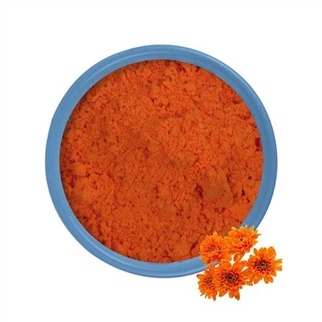
Although CoQ10 occurs naturally in organ meats (such as liver and heart), the quantity your pet will get from commercial pet food is usually extremely low. That's why supplementing with CoQ10 powder or softgels is usually the best method to guarantee your pet receives sufficient-particularly if they're facing a health issue.
Final Thoughts
Coenzyme Q10 is a strong ally for maintaining heart health, cellular energy, and immune strength in pets. If your pet is getting older, facing a health issue, or just needs an energy boost, CoQ10 could provide a safe and natural remedy.
As with everything, consult your vet before adding new supplements. But if your animal could use a little extra energy and a heartier heart, CoQ10 could be just the thing they need to live their best, most joyful life.
References
Freeman, LM, Rush, JE, & Kehayias, JJ (1998). Nutritional alterations and the effect of dietary taurine and Coenzyme Q10 supplementation in dogs with dilated cardiomyopathy. Journal of Veterinary Internal Medicine, 12(6), 449–455.
Blanchard, G., et al. (2003). Use of Coenzyme Q10 as a dietary supplement in aging dogs. Veterinary Therapeutics, 4(1), 56–64.
Veterinary Partner. (nd). Coenzyme Q-10 (CoQ10). Retrieved from https://veterinarypartner.vin.com
National Animal Supplement Council (NASC). (nd). Coenzyme Q10 Benefits for Pets.
PetMD. (nd). Coenzyme Q10 for Dogs and Cats. Retrieved from https://www.petmd.com