In pursuit of cost-effective and sustainable feed sources, farm by-products such as corn cobs are becoming interest as potential animal nutrition ingredients. Since they represent the fibrous core that remains after corn kernels are stripped off, corn cobs tend to be wasted or utilized as biomass fuel or as bedding. Can this farm waste, however, be used as animal feed? Let's explore.

What Are Corn Cobs?
Corn cobs are the thick core of the ear of corn, where kernels develop. When the kernels are removed for consumption or other industrial purposes, the cob is left behind. The cob consists mostly of cellulose, hemicellulose, and lignin, all forms of dietary fiber.
Corn cobs possess:
- Low protein and fat composition
- High fiber composition
- Some remaining starch or sugars
While nutritionally deficient when fed alone, corn cobs become useful if utilized suitably in animal feeding systems.
:strip_icc()/feeding-dog-corn-on-the-cob-3385222-hero-ff652e13f0e6409da868e574e92e46a8.jpg "news-1-1")
Is Corn Cob Safe for Animal Feed?
Yes-corn cobs can be safely utilized in animal feed, but with some significant caveats. Alone, corn cobs are not nutritionally adequate and should never be utilized as a sole source of feed. However, they can be utilized as a roughage or source of fiber, particularly for ruminants such as cows, sheep, and goats.
In monogastric animals (such as poultry and pigs), their application is restricted because of high fiber content and low digestibility, but at appropriate processing, limited quantities can be added to feed.

Nutritional Composition of Corn Cobs (Approximate, Dry Basis)
| Component | Value (%) |
|---|---|
| Crude Fiber | 30–40% |
| Crude Protein | 2–4% |
| Fat | <1% |
| Digestible Energy (Ruminants) | Moderate |
| Ash | 1–2% |
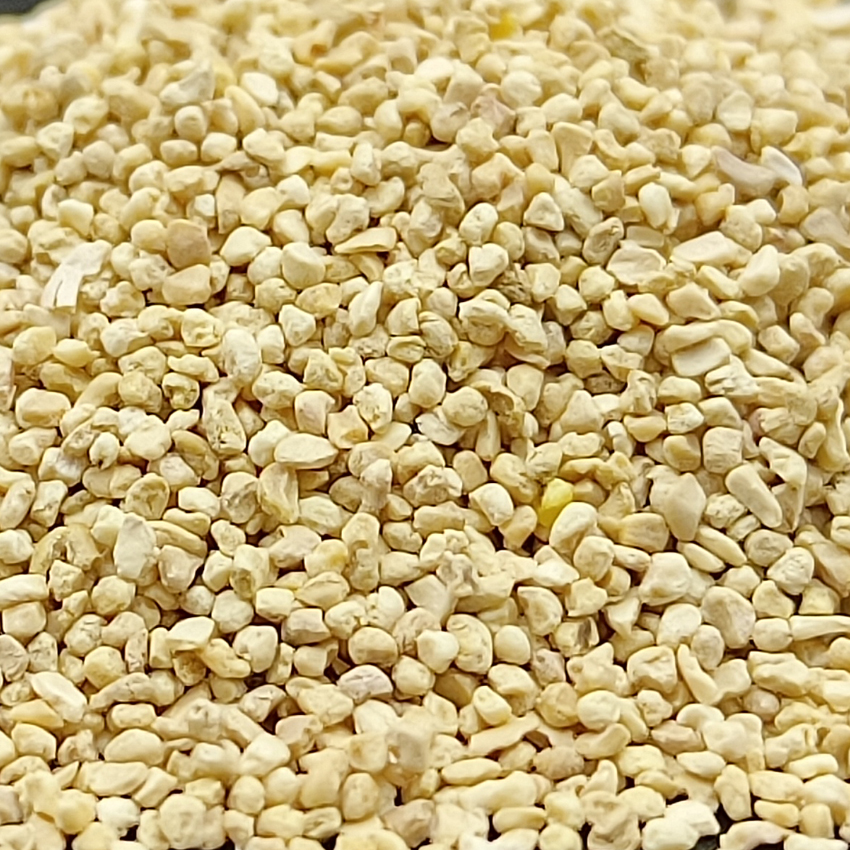
Advantages of Using Corn Cob in Animal Feed
1. Cost-Effective Feed Ingredient
Corn cobs are readily available as a by-product of corn cultivation and are generally cheap or even free. Their addition to feed helps lower the cost of feed, especially in areas where extensive corn cultivation is practiced.
2. Eco-Friendly and Sustainable
Using corn cobs helps minimize agricultural waste and supports sustainable agriculture. It enables farmers to use the whole plant of corn to its fullest extent, with minimal environmental footprint.
3. Good Source of Fiber for Ruminants
Ruminants like sheep and cattle require a high-fiber diet to maintain good digestion and rumen well-being. Corn cob contains:
- Bulk in the diet
- Stimulating chewing and salivation
- Support for rumen microbial fermentation
4. Priced right for inclusion in Feed Pellets and Blocks
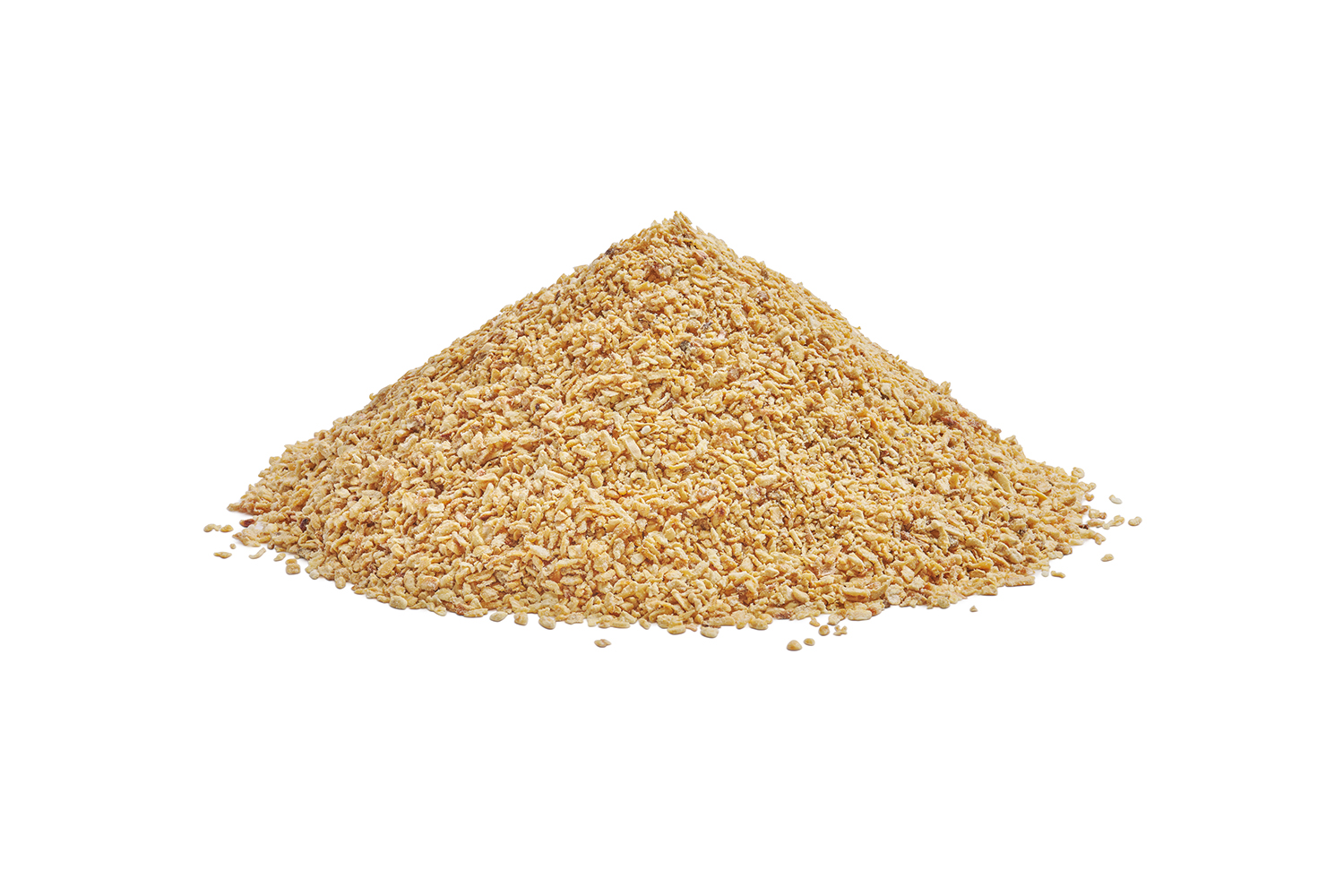
Ground corn cobs can be added to compressed feed pellets or blocks to provide bulk and enhance structural strength. They serve as a fiber and binding agent, particularly when combined with molasses or other additives.
Limitations and Challenges
Although corn cobs have promise, they have some nutritional and practical limitations:
1. Low Nutritional Value
Corn cobs lack significant protein, fat, or essential nutrients. If overused, they can dilute the energy and nutrient density of the overall feed. Supplementation with other nutrient-rich ingredients is necessary.
2. Digestibility Issues
Monogastric animals like pigs and poultry struggle to digest high-fiber materials. For them, corn cob inclusion should be minimal or avoided unless properly processed through:
- Fermentation
- Enzymatic treatment
- Fine grinding
3. Risk of Mycotoxins or Contaminants
As with any crop residue, stored corn cobs that are not properly stored can contain molds or mycotoxins, which are toxic to animal health. Proper drying and storage are a must.
4. Palatability Issues
Animals can be reluctant to consume diets with excessive corn cob because of its gritty texture and unpalatable taste. Slow introduction and mixing with other tasty ingredients can mitigate this.
:max_bytes(150000):strip_icc()/can-cats-eat-corn-3-677819443-2000-326251411fdd427caaf0ef18fa49cf0a.jpg "news-1-1")
How to Process Corn Cobs for Animal Feed
To render corn cobs more amendable to be fed, these tend to need to be treated in the ways listed below:
1. Grinding
Grinding corn cobs into fine material increases surface area and enhances mixing and digestibility in feedrations.
2. Fermentation
Fermenting corn cobs in the presence of molasses or protein supplements generates a more nutritional and palatable feed that easily consumes ruminants.
3. Pelleting
Adding ground corn cobs to pelleted feed reduces waste, enhances intake, and facilitates handling.

Appropriate Animals for Corn Cob Feeding
| Animal Type | Usage Notes |
|---|---|
| Cattle | Commonly used as a fiber source or filler. |
| Sheep/Goats | Can digest it well when mixed with other roughage. |
| Pigs | Limited use; only after processing (e.g., fermentation). |
| Poultry | Generally not recommended, though processed fiber can be used sparingly. |
| Rabbits | Occasionally used as chewing material, but not as a feed source. |
Inclusion Rate in Feed
The recommended amount depends on the animal type and diet:
- Cattle/Sheep/Goats: 10–30% of total roughage portion.
- Pigs (after processing): ≤5–10% in complete feed.
- Poultry: Not recommended unless used as micro-fiber additive (<2%).
Always adjust inclusion levels based on:
- Animal age and productivity
- Overall nutrient balance of the ration
- Processing method used on the corn cob
Conclusion
Is it possible to use corn cob as animal feed? The answer is yes-with proper methodology.
Corn cobs are a quality, renewable feed ingredient when used appropriately, most notably for ruminants. They provide a low-cost fiber source and are a waste reducer in corn production. But for their low nutritive value and poor digestibility, particularly by monogastric animals, they have to be processed and formulated with other ingredients to attain maximum health and performance.
With the increasing interest in circular farming and feed sustainability, by-products such as corn cobs are destined to contribute increasingly to low-cost and environmentally friendly livestock production.
References
Akinfemi, A., & Ladipo, D. O. (2011). Chemical composition and in vitro digestibility of four crop residues treated with Pleurotus ostreatus. African Journal of Biotechnology, 10(44), 8923–8927.
National Research Council (NRC). (2001). Nutrient Requirements of Dairy Cattle. National Academies Press.
Tewe, O. O. (1997). Sustainability and development paradigms from Nigeria's livestock industry. Inaugural Lecture Series, University of Ibadan.
FAO. (2013). Inclusion of crop residues in ruminant diets. Food and Agriculture Organization of the United Nations.
Van Soest, P. J. (1994). Nutritional Ecology of the Ruminant. Cornell University Press.