Corn gluten meal (CGM) is now a standard pet food ingredient, including in foods specifically designed for cats. As a by-product of wet corn milling, corn gluten meal is rich in protein, and that is usually why it is added to pet foods. However, since cats are obligate carnivores, they have certain nutritional requirements - particularly when it comes to protein sources. This blog examines if corn gluten meal can really offer quality protein to cats, considering its nutritional content, digestibility, amino acid profile, advantages, disadvantages, and the scientific research behind its application.
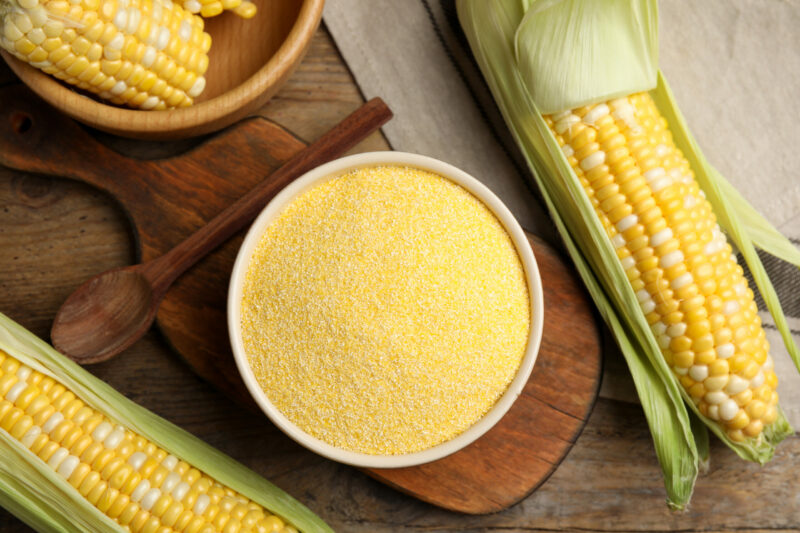
What is Corn Gluten Meal?
Corn gluten meal is the dry residue from corn after most of the starch and germ have been removed in the wet milling process. Although named as such, it does not contain gluten like wheat. It is primarily made up of proteins, carbohydrates, and traces of fat and fiber.
Typical composition is:
- Protein: 60-70%
- Fat: ~2-3%
- Fiber: ~2%
- Moisture: ~10%
This makes corn gluten meal a cost-effective and dense plant protein source for animal feed.

The Role of Protein in the Diet of a Cat
Cats are obligate carnivores whose bodies are programmed to thrive on high-protein diets derived from animals. Cats need certain amino acids that are found naturally in meat, ie, taurine, arginine, methionine, and lysine. Protein is the material used by their bodies to construct muscles, enzymes, hormones, skin, and fur. As opposed to omnivores, cats also use protein as an energy source.
With this, not all proteins are created equal - source and protein bioavailability play an extremely important role in feline nutrition.
Nutritional Quality of Corn Gluten Meal in Cats
High Protein Content
Corn gluten meal has approximately 60% protein content, which makes it a top protein plant ingredient. This is advantageous in producing high-protein foods, especially for dry kibble where water content has to be controlled.
Amino Acid Composition
Though rich in protein, the amino acid profile in CGM is imbalanced relative to meat proteins. It is especially deficient in essential amino acids such as lysine and tryptophan and lacks taurine - an important cat nutrient.
The National Research Council (NRC) states that corn gluten meal's essential amino acid profile is not adequate for feline needs unless added with other proteins or synthetic amino acids.
Digestibility
Research has indicated that corn gluten meal has rather high digestibility in felines, with crude protein digestibility being between 80% and 90% based on the product formulation and processing method employed [1]. Its biological value, however, or the extent to which the protein aids in growth and maintenance, is less than that of animal-based proteins such as chicken or fish.

Can Corn Gluten Meal Supply Quality Protein to Cats?
The response varies depending on the definition of "quality protein." In cats, quality protein must:
- Have all essential amino acids in proper ratios.
- Be well digested.
- Be bioavailable to enable physiological function.
Shortcomings of Corn Gluten Meal
- Incomplete Amino Acid Profile: CGM does not have adequate amounts of lysine, methionine, and taurine - all critical to feline health.
- Does Not Contain Animal-Based Nutrients: Taurine, present naturally only in animal tissue, is lacking in CGM. Cat deficiency of taurine can cause dilated cardiomyopathy and retinal degeneration.
- Anti-Nutritional Issues: CGM does have some compounds that can slow the absorption of nutrients in high amounts, although this tends to be minor in well-formulated products.
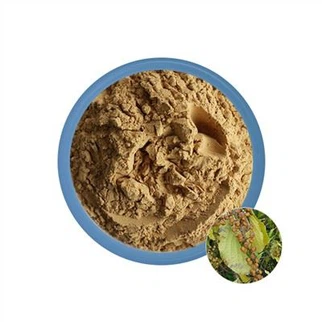
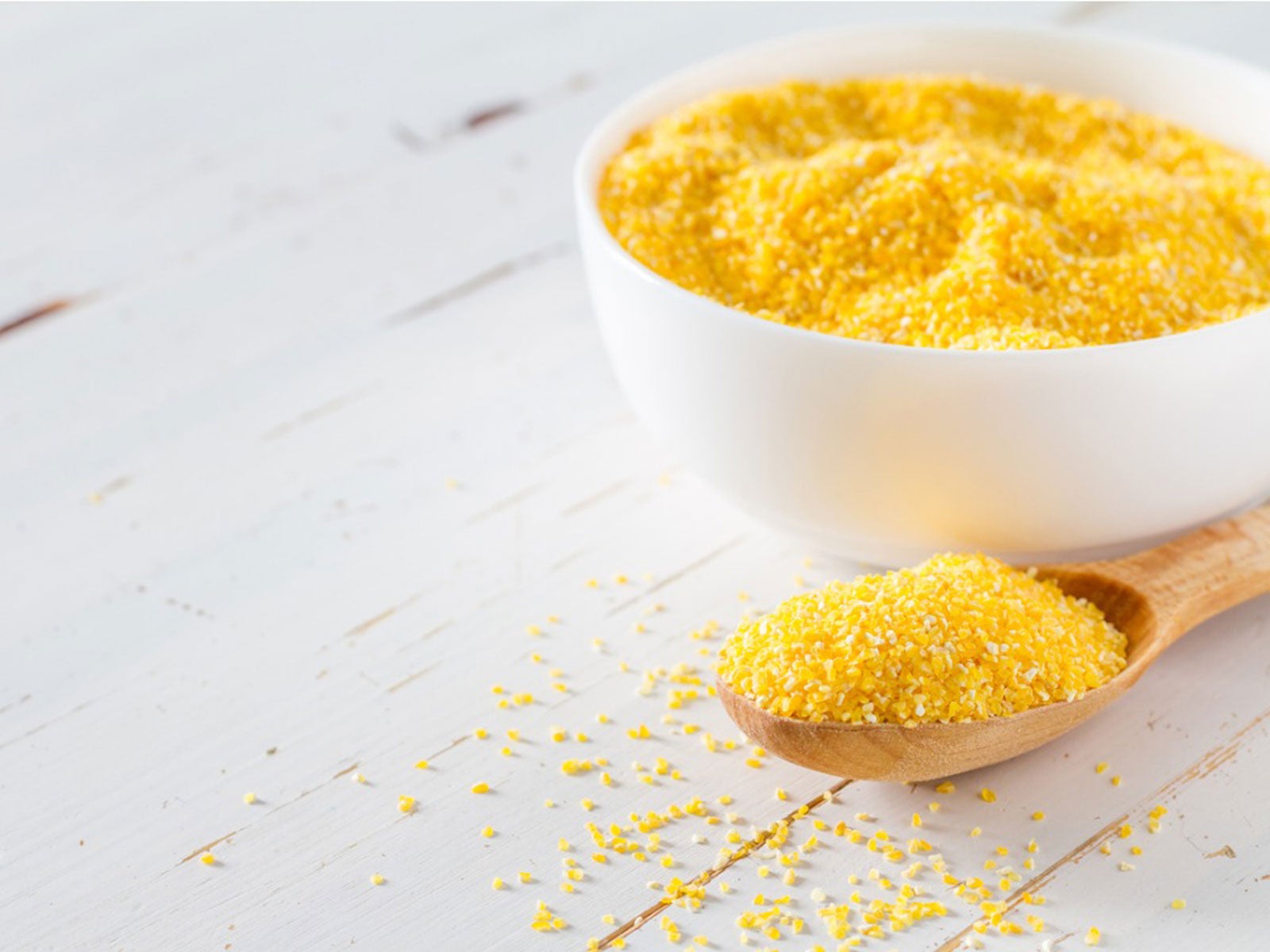
Corn gluten meal is a plant-based protein ingredient commonly used in commercial cat food. It is produced during the corn wet-milling process, where starch is removed and the remaining protein-rich fraction is dried into a fine yellow meal. It typically contains around 60% crude protein.
Why Is It Used in Cat Food?
1. Concentrated Protein Source
Corn gluten meal provides highly digestible plant protein that helps increase the overall protein level of the formula. In balanced recipes, it complements animal-based proteins.
2. Amino Acid Contribution
While cats are obligate carnivores and require animal protein for essential amino acids like taurine, corn gluten meal can contribute additional amino acids that support overall protein balance.
3. Energy and Formulation Stability
Corn-based ingredients help maintain kibble structure and provide consistent quality in dry food manufacturing.
Important Considerations
Cats require high levels of animal protein. Corn gluten meal should not replace primary meat sources, but rather act as a supplemental protein ingredient. Corn allergies in cats are uncommon, but sensitive cats may react to certain ingredients. When properly formulated, corn gluten meal can be a safe, economical part of balanced cat food.
When is CGM okay?
Corn gluten meal can be thought of as a valuable cat food ingredient when used in combination with high-quality animal proteins and amino acid supplementation. It aids in elevating the overall protein level of the food and as a digestible protein source if balanced correctly.
The AAFCO (Association of American Feed Control Officials) and FEDIAF (European Pet Food Industry Federation) both permit the use of vegetable proteins such as corn gluten meal in pet foods, as long as the total nutritional requirements of the animal are fulfilled.

Advantages of Corn Gluten Meal for Cat Diets
Affordable Protein Supplement: CGM is cheaper compared to meat proteins and enables the manufacturer to come up with high-protein diets at an affordable price.
- Improves Texture and Palatability: CGM adds to the texture of dry kibble and can enhance palatability if formulated correctly.
- Low Ash Value: In contrast to meat meals, CGM is low in ash, which reduces mineral load in cat food.
- Sustainability: Utilizing CGM assists in the recycling of by-products of human food manufacturing and adds to the environmental sustainability.
Possible Issues from Cat Owners
Bureaucratic Blunder in Defining "Gluten"
While it shares a similar name, CGM is actually not equal to wheat gluten and will not lead to gluten sensitivity. Cats, in contrast to some humans and canines, very infrequently experience gluten intolerance.
Perference for Animal Proteins
Numerous animal protein proponents find them attractive because of their greater nutritional compatibility with carnivores. Some have criticized that overuse of CGM may be a cost-saving measure as opposed to a nutritional standout.

Scientific Research and Veterinary Views
Research indicates that while CGM is digestible and a source of functional protein, it has to be applied cautiously:
- According to a study conducted by Swanson et al. (2004), the evaluation of plant proteins in the diets of felines indicated that though CGM is digestible, it should be combined with animal protein for adequate essential amino acid provision [2].
- A 2011 investigation of protein digestibility in cats concluded that CGM helped to provide adequate stool quality and protein use as part of a mixed-protein diet [3].
Veterinarians concur that CGM is not dangerous in moderation and can be included in a well-balanced diet but should not be substituted for high-quality meat proteins altogether.

Conclusion: Can CGM Be a Quality Protein for Cats?
Yes - but not otherwise. Corn gluten meal can add to protein content of feline diets, if accompanied by animal proteins and supplemented with amino acid limitations like lysine and taurine. By itself, CGM is devoid of the complete amino acid profile required by cats, but in a well-formulated formula, it is digestible and harmless.
Pet food manufacturers should focus on the general amino acid balance and bioavailability, and not simply crude protein levels. Similarly, cat owners should look for complete and balanced formulas, preferably with named meat sources as the main protein contributors.
If used responsibly, CGM can be an excellent component of a cost-efficient, nutritionally complete pet food, but it is not an isolated means of addressing the specific protein needs of cats.
References
National Research Council (NRC). (2006). Nutrient Requirements of Dogs and Cats. The National Academies Press. https://doi.org/10.17226/10668
Swanson, KS, et al. (2004). "Nutritional sustainability of pet foods." Journal of Animal Science, 82(Suppl), 10–15.
Stratton-Phelps, M., & Fascetti, AJ (2010). "Assessment of protein digestibility in domestic cats using animal- and plant-based ingredients." Journal of Animal Physiology and Animal Nutrition, 94(4), 379–387.
AAFCO. (2023). AAFCO Dog and Cat Food Nutrient Profiles. https://www.aafco.org
FEDIAF. (2020). Nutritional Guidelines for Complete and Complementary Pet Food for Cats and Dogs. https://www.fediaf.org