In the quest for sustainable agriculture, natural pesticides have been an area of major interest. Among them, pyrethrins-natural pesticides from chrysanthemum flowers-are noted for their effectiveness against a wide range of insect pests. This article discusses the effectiveness of pyrethrins as a natural pesticide for crop pests, highlighting their advantages, disadvantages, and application in integrated pest management.

What Are Pyrethrins?
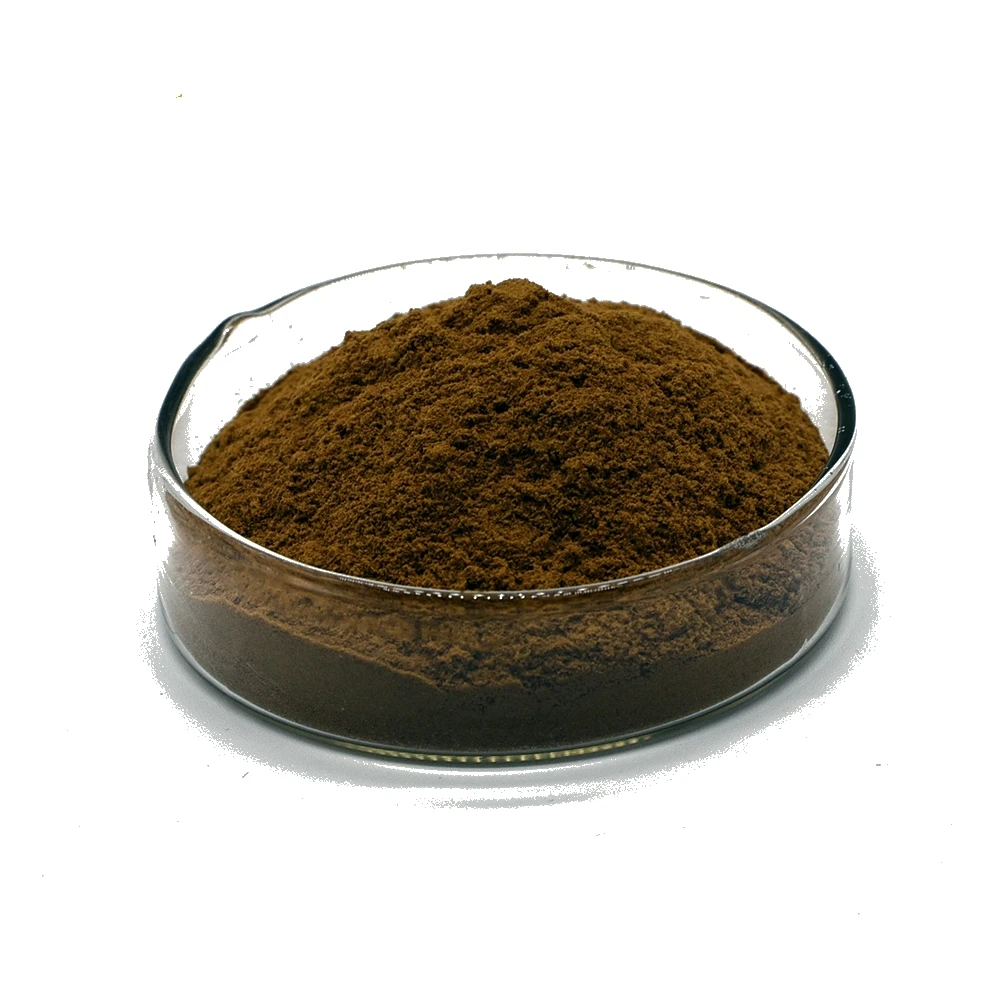
Pyrethrins are six similar esters isolated from Chrysanthemum cinerariifolium flowers, referred to commonly as the Dalmatian chrysanthemum. These substances-pyrethrin I and II, cinerin I and II, and jasmolin I and II-are highly active as insecticides. They kill by acting against the nervous system of insects, paralyzing and killing them eventually. Being derived naturally, with the capability to biodegrade quickly, pyrethrins are largely used in organic cultivation.
Efficacy Against Crop Pests
Pyrethrins have broad-spectrum activity against a wide range of agricultural pests, such as aphids, leafhoppers, beetles, and caterpillars. Their quick "knockdown" action makes them very effective in suppressing infestations quickly. Their effectiveness, however, can be affected by environmental conditions, as they are rapidly degraded under sunlight and heat.
Field research has proven that products containing pyrethrin have the potential to drastically decrease pest populations if properly applied. As an example, products such as PyGanic have been successful in controlling pests like aphids and thrips in many different crops.
Pyrethrins' Benefits
- Natural Origin: Since pyrethrins are plant-based, they are safe for organic production and will less likely result in toxic residues.
- Rapid Degradation: They degrade very rapidly in the environment, preventing long-term effects on the environment.
- Low Mammalian Toxicity: Pyrethrins are non-toxic to humans and animals at normal use levels, although they are capable of causing an allergic reaction in sensitive subjects.
- Broad-Spectrum Activity: Can be effective against a broad spectrum of insect pests, minimizing the use of several pesticides.
:max_bytes(150000):strip_icc()/herospraybamboo2-3f1be2bde0ac4a0399b86a1f478a41b5.JPG "news-1-1")
Limitations and Considerations
Although pyrethrins have many advantages, there are a few things to consider:
- Photodegradation: Their quick degradation by sunlight requires frequent applications, particularly in hot climates.
- Non-Selective Action: Pyrethrins are harmful to beneficial insects, including pollinators, if not used with caution.
- Resistance Development: Excessive use can cause resistance development among pests, decreasing long-term effectiveness.
- Cost: Natural extraction methods may increase the cost of pyrethrins compared to synthetic equivalents.
Integration into Integrated Pest Management (IPM)
Integrating pyrethrins into an Integrated Pest Management program has the ability to strengthen their power while reducing drawbacks. Farmers can manage pests in a sustainable manner and decrease reliance on chemical pesticides by integrating pyrethrin applications with other control practices-like crop rotation, biological controls, and resistant crop cultivars.
Conclusion
Pyrethrins offer a useful natural alternative to controlling crop pests, with fast action and environmental safety. Although they have limitations, their inclusion in integrated pest management approaches can lead to sustainable agriculture and chemical pesticide reduction.
References:
National Pesticide Information Center. (n.d.). Pyrethrins General Fact Sheet. Retrieved from https://npic.orst.edu/factsheets/pyrethrins.html
Epic Gardening. (n.d.). Pyrethrin Pros and Cons: How to Use it Safely. Retrieved from https://www.epicgardening.com/pyrethrin-spray/
Uludağ University. (n.d.). Pyrethrum an Organic and Natural Pesticide. Retrieved from https://uludag.edu.tr/dosyalar/jbes/40/mak05.pdf
EPA New Zealand. (n.d.). How safe are natural insecticides? Retrieved from https://www.epa.govt.nz/community-involvement/science-at-work/how-safe-is-natural-taking-a-look-at-four-plant-based-pesticides-from-natures-arsenal/
University of Maryland Extension. (2021). Comparative efficacy of common active ingredients in organic insecticides against difficult-to-control insect pests. Retrieved from https://blog.umd.edu/umefruitveg/2021/05/19/summary-comparative-efficacy-of-common-active-ingredients-in-organic-insecticides-against-difficult-to-control-insect-pests/