


More and more, with increased health awareness amongst pet owners, many people are starting to turn toward natural alternatives-not just for themselves, but for their pets too. One such ingredient which commonly raises a question or two includes stevia, an extremely popular natural sweetener derived from the leaves of the Stevia rebaudiana plant. While this may be safe in humans, pet parents very often wonder-can dogs eat stevia safely?
In this article, we are going to talk about what stevia is, its effect on canines, its pros and cons, and whether it deserves a place in the diet of your pet dog.
What Is Stevia?
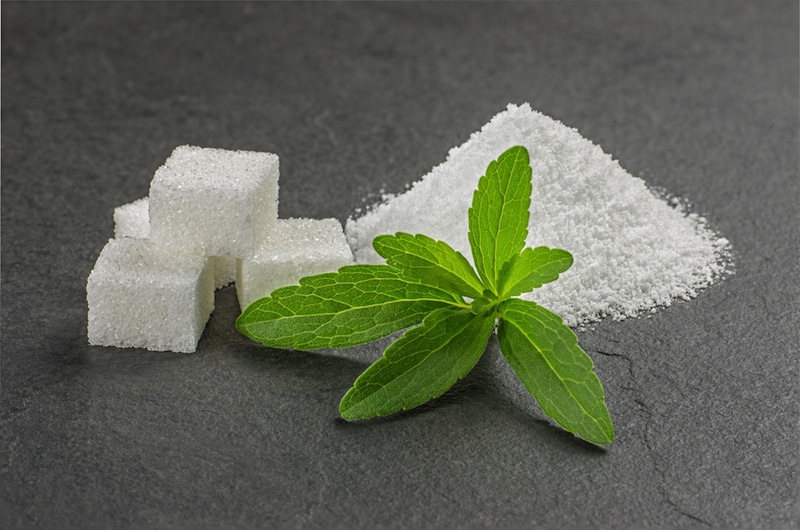
Stevia is a plant-based sweetener extracted from the leaves of Stevia rebaudiana, native to South America. The sweet compounds in stevia-called steviol glycosides-are responsible for its sugar-like taste. These compounds are 200 to 300 times sweeter than sugar but contain no calories, making stevia a popular choice for those managing blood sugar or weight.
Stevia is used in many products, including:
- Sugar-free beverages
- Chewing gums and candies
- Baked goods
- Some pet supplements and toothpaste formulations
Because it's natural and non-caloric, stevia is often seen as a healthier alternative to artificial sweeteners like aspartame or sucralose.
:max_bytes(150000):strip_icc()/Health-GettyImages-2236836234-3c4c26e8d1724ff79ed1cb3ace473568.jpg?size=653x0 "stevia supplier")
Is Stevia Safe for Dogs?
Fortunately, it is considered nontoxic and safe in dogs, particularly in small amounts, because pure stevia does not contain the lethal compound called xylitol that causes severe hypoglycemia, or low blood sugar, along with liver failure in dogs.
Not all stevia is created equal, and some commercially available "stevia blends" contain a list of ingredients including additives, artificial sweeteners, and sugar alcohols that are highly damaging to your health. For example, just because the package says "stevia," it could contain xylitol, erythritol, maltodextrin, or other ingredients known to cause digestive issues or even toxic reactions.
While stevia is safe, it's the form that it takes in that will determine whether it is or isn't okay for your dog.

Benefits of Stevia for Dogs
Although dogs don't need sweeteners in their diet, stevia can have limited, situational benefits-especially in controlled formulations like dental products or low-calorie treats.
Helps Manage Caloric Intake
Since stevia has zero calories, it can be used in low-calorie or weight-control dog treats. This is helpful for overweight or diabetic dogs who need to avoid excess sugar.
May Support Dental Health
Unlike sugar, stevia doesn't feed oral bacteria or contribute to plaque buildup. Some dog toothpaste brands use stevia as a natural sweetener to make brushing more pleasant for pets without risking cavities.
Safe Alternative to Artificial Sweeteners
Compared to artificial sweeteners such as aspartame or saccharin, which can cause gastrointestinal distress or allergic reactions, stevia offers a safer and more natural choice when a mild sweet taste is needed.

Potential Risks and Side Effects
Even though stevia isn't toxic, overconsumption can cause mild side effects in some dogs.
Gastrointestinal Upset
Large amounts of stevia may lead to diarrhea, gas, or nausea, as dogs' digestive systems aren't accustomed to processing concentrated sweeteners.
Bitter Taste Reactions
Some dogs dislike the slightly bitter aftertaste of stevia and may refuse food or treats that contain it.
Risk from Additives
The biggest risk comes from impure stevia products that include harmful additives. Always read labels carefully to avoid ingredients like:
Xylitol – highly toxic to dogs
Aspartame – may cause neurological issues or vomiting
Maltodextrin – can raise blood sugar levels
Erythritol – may cause loose stools in sensitive pets
Pure, food-grade stevia extract (without additives) is the safest choice.

How Much Stevia Is Safe for Dogs?
Because stevia is extremely sweet, a small amount goes a long way. There's no official dosage for dogs, but general guidelines suggest:
Small dogs (under 10 kg): a pinch or less occasionally
Medium dogs (10–25 kg): up to ⅛ teaspoon occasionally
Large dogs (over 25 kg): up to ¼ teaspoon occasionally
Stevia should never exceed 1–2% of your dog's total diet, and it should not replace proper nutrition. Think of it as a flavor enhancer, not a daily supplement.
When Is Stevia Useful in a Dog's Diet?
Stevia can be beneficial in specific situations when used responsibly:
- Homemade dog treats – You can use pure stevia to lightly sweeten homemade treats instead of sugar or honey.
- Dental care products – Dog toothpaste or mouthwash containing stevia can make oral hygiene easier.
- Low-calorie snacks for overweight pets – It offers flavor without calories, supporting weight management.
Here's a simple example:
- Stevia Peanut Butter Dog Treats
- 1 cup natural peanut butter (unsalted, no xylitol)
- 2 eggs
- 1½ cups oat flour
- A pinch of pure stevia powder
Mix all ingredients, form small biscuits, and bake at 175°C (350°F) for 15–20 minutes. Always allow to cool before serving.

Alternatives to Stevia for Dogs
If you prefer not to use stevia, there are other dog-safe natural sweeteners:
- Carob powder – naturally sweet, chocolate-like flavor safe for dogs
- Applesauce (unsweetened) – adds mild sweetness and fiber
- Pumpkin puree – adds natural sugars, vitamins, and digestive support
- Molasses (in very small amounts) – natural source of minerals
These alternatives may provide more nutritional value than stevia, especially in home-prepared dog snacks.

Ingredients to Avoid in Sweetened Dog Products
When buying treats or supplements, always double-check the ingredient list. Avoid:
- Xylitol – can cause hypoglycemia and liver failure even in tiny amounts
- Chocolate or cocoa – toxic to dogs due to theobromine
- High-fructose corn syrup – leads to obesity and insulin resistance
- Artificial sweeteners (saccharin, aspartame, sucralose) – can trigger digestive upset or allergic reactions
- If the product says "sugar-free," don't assume it's safe-always confirm that it contains no xylitol.

Veterinary Opinions on Stevia for Dogs
Veterinarians generally agree that pure stevia is safe in moderation, but they emphasize that dogs don't need sweeteners at all. Canines don't have the same sweet tooth humans do, and their nutritional needs focus more on proteins and fats.
Dr. Jennifer Coates, DVM, notes that stevia "is not harmful in small amounts, but there's little to no nutritional reason to give it to dogs." Most pet nutritionists recommend using it sparingly, if at all, and only from reliable, food-grade sources.
:max_bytes(150000):strip_icc()/puppy-eating_1076618939-2000-d51f0d48c58e4347af8aa77296dcbb1c.jpg?size=685x0 "Stevia supplier")
Signs of Stevia Overconsumption in Dogs
If your dog eats a large amount of stevia (especially from sweetened human products), watch for these signs:
- Vomiting or diarrhea
- Loss of appetite
- Weakness or lethargy
- Trembling or confusion (possible xylitol ingestion)
If symptoms appear or if you suspect your dog consumed a stevia product containing xylitol, contact your veterinarian immediately.

Conclusion
So, can dogs eat stevia?
Pure stevia is regarded as nontoxic in small amounts in dogs. It is not required in a dog's diet; however, it could serve as a natural sweetener for their treats and dental products, offering dogs a sugar-free, calorie-free option.
The key, however, is in moderation and purity. Avoid any combination of stevia that contains xylitol or other added ingredients, as those become toxic. But if you want to make healthy, sweet-tasting treats, stevia can be part of your recipe-though your dog will be just as happy with naturally sweet fruits or pumpkin.
Stevia is safe, natural, and tooth-friendly when used appropriately and occasionally in canine diets.
References
Pet Poison Helpline. (2023). Xylitol Toxicity in Dogs.
FDA (2020). Additional Information about High-Intensity Sweeteners Permitted for Use in Food in the United States. U.S. Food & Drug Administration.
Coates, J. (2021). Are Artificial Sweeteners Safe for Dogs? PetMD Veterinary Review.
National Institutes of Health (NIH). (2017). Steviol Glycosides: Safety Evaluation and Metabolism. Journal of Food Safety and Toxicology, 35(2), 98–107.
American Kennel Club (AKC). (2022). Can Dogs Eat Sugar Substitutes


