Overall, pet owners have become much more conscientious about what goes into their dogs' food, treats, and supplements. Much like people, natural ingredients have become very popular, and stevia has found its way into many "sugar-free" and "low-calorie" products on the market. Stevia is a plant-based sweetener derived from Stevia rebaudiana.
But is stevia bad for dogs, or a safe alternative to sugar and artificial sweeteners? The answer isn't quite as simple as a yes or no-it depends on form and amount, not to mention source. In this blog, we explore what stevia is, its safety profile for dogs, and outline some of the potential benefits and risks one should watch out for.
What Is Stevia?
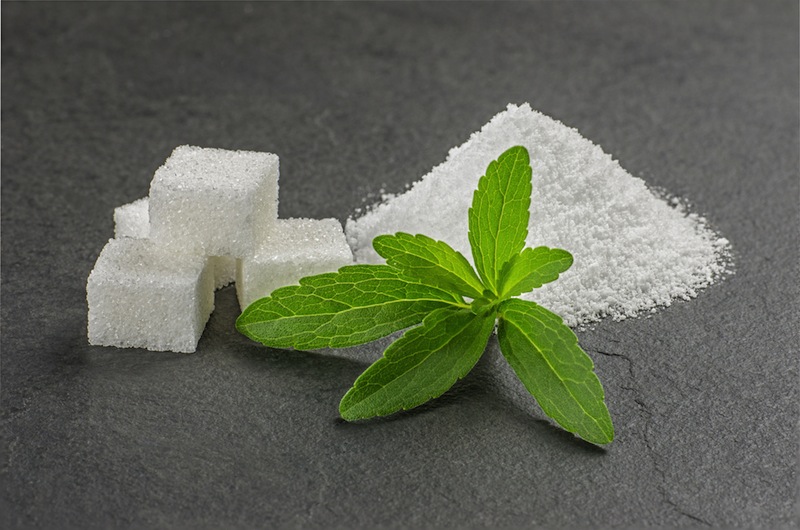
Stevia is a natural sweetener extracted from the leaves of the Stevia rebaudiana plant, native to South America. Its sweetness comes from compounds called steviol glycosides, which are about 200 to 300 times sweeter than sugar, yet contain no calories or carbohydrates.
Humans commonly use stevia as a sugar substitute in:
- Beverages like coffee, tea, and soft drinks
- Baked goods
- Protein powders
- Low-calorie snacks
Because it's plant-based, non-toxic, and low in calories, many consider stevia a "healthier" alternative to sugar and artificial sweeteners. However, when it comes to dogs, things work a little differently.
Is Stevia Safe or Bad for Dogs?
The short answer: Pure stevia is generally safe for dogs in small amounts, but excessive use or the wrong type can cause problems.
According to the Pet Poison Helpline and American Kennel Club (AKC), stevia is not toxic to dogs, unlike xylitol-a sugar substitute that can cause life-threatening hypoglycemia (low blood sugar) and liver damage.
That said, not all "stevia" products are created equal. Some commercial blends labeled as "stevia" actually contain other sweeteners or additives that are unsafe for dogs. For example:
- Xylitol – extremely toxic, even in tiny amounts
- Erythritol – generally safe but may cause diarrhea in large doses
- Maltodextrin or dextrose – can spike blood sugar levels
If you choose to give your dog a product containing stevia, make sure it is pure and free from xylitol or other additives.

How Dogs Process Stevia
Dogs digest and metabolize stevia differently than humans. Steviol glycosides pass through the digestive system largely unchanged and are not absorbed into the bloodstream. This means stevia does not raise blood sugar or insulin levels-making it safer for dogs with diabetes or weight issues, as long as it's used sparingly.
However, if a dog consumes too much stevia, it can cause mild gastrointestinal distress, such as:
- Diarrhea
- Nausea
- Gas or bloating
These symptoms are not toxic effects but rather signs of digestive upset due to overconsumption.

Possible Benefits of Stevia for Dogs
While dogs don't need sweeteners in their diet, stevia can serve a few specific purposes in pet care products and treats.
Calorie-Free Sweetening
Stevia adds a touch of sweetness without calories. This is helpful in low-calorie treats or dietary supplements designed for overweight or diabetic dogs.
Better Oral Health
Unlike sugar, stevia doesn't feed bacteria in the mouth or cause plaque buildup. Some dog toothpaste and dental gels use stevia to make them more palatable without contributing to cavities.
Safe Alternative to Artificial Sweeteners
Artificial sweeteners like aspartame and saccharin are not recommended for dogs and can cause digestive or neurological issues. Stevia provides a safer, plant-based option for pet products.

When Stevia Can Be Bad for Dogs
Even though stevia itself isn't toxic, certain conditions can make it unsafe or unnecessary for dogs.
Overconsumption
Large amounts of stevia may irritate the digestive system, leading to vomiting or diarrhea. Dogs have more sensitive stomachs than humans, so moderation is key.
Poor-Quality Stevia Blends
Many products labeled as "stevia" are actually mixtures of stevia and other ingredients. Blends containing xylitol are particularly dangerous and can be deadly to dogs, even in trace amounts.
Unnecessary Additives
Dogs don't need added sweeteners in their diet. Feeding sweetened foods can encourage picky eating habits and make them crave sugary flavors, which can affect their long-term nutrition.
Safe Ways to Use Stevia for Dogs
If you want to use stevia safely, here are a few guidelines:
- Choose pure stevia extract – Look for "100% stevia leaf extract" or "pure steviol glycosides" with no fillers.
- Avoid products with xylitol or artificial sweeteners – Always read ingredient labels carefully.
- Use small amounts – A pinch or two in homemade dog treats is plenty.
- Monitor your dog's reaction – Watch for any signs of digestive upset after introduction.
Example: You can use pure stevia to sweeten homemade dog treats that include oats, peanut butter, and pumpkin. A very small amount enhances flavor without adding calories or sugar.

Dog-Safe Sweetener Alternatives
If you prefer to avoid stevia altogether, there are several natural, dog-safe sweeteners that provide both taste and nutrition:
- Carob powder – a safe, chocolate-like alternative rich in fiber
- Unsweetened applesauce – adds natural sweetness and moisture
- Pumpkin puree – supports digestion and is mildly sweet
- Banana mash – contains potassium and natural sugars
These ingredients are often more beneficial than stevia since they contribute essential vitamins, minerals, and fiber.
Signs of Stevia Overuse in Dogs
If your dog eats too much stevia-especially from processed foods-watch for these signs:
- Drooling or licking lips excessively
- Vomiting or diarrhea
- Loss of appetite
- Lethargy
If any symptoms persist, consult your veterinarian. While mild digestive upset usually passes, it's important to rule out possible ingestion of toxic additives.

Expert and Veterinary Opinions
Most veterinarians agree that stevia is safe for dogs in moderation. It's a better choice than sugar or artificial sweeteners but shouldn't be a regular part of their diet.
Dr. Jennifer Coates, DVM, explains:
"Stevia is not toxic to dogs, but they don't need it. If used in tiny amounts, it's safe, but overuse can upset their stomachs."
Similarly, the Pet Poison Helpline confirms that stevia "is not expected to cause poisoning" when ingested in small quantities, though it may cause temporary digestive discomfort.

Final Verdict: Is Stevia Bad for Dogs?
No, stevia is not bad for dogs when used correctly.
It's a non-toxic, natural sweetener that can be safely used in moderation. However, it provides no real nutritional benefits and should never replace healthy, whole-food ingredients in your dog's diet.
The real danger lies in impure stevia products that contain xylitol or other sweeteners. Always check the ingredient label carefully before giving your dog anything labeled "sugar-free."
When in doubt, consult your veterinarian before introducing any new ingredient into your pet's diet-especially sweeteners.
References
Pet Poison Helpline. (2023). Xylitol Toxicity in Dogs. Retrieved from www.petpoisonhelpline.com
American Kennel Club (AKC). (2022). Can Dogs Eat Sugar Substitutes? Retrieved from www.akc.org
U.S. Food and Drug Administration (FDA). (2020). Additional Information about High-Intensity Sweeteners Permitted for Use in Food.
Coates, J. (2021). Artificial Sweeteners and Dogs: Safety and Toxicity. PetMD Veterinary Review.
National Institutes of Health (NIH). (2017). Steviol Glycosides: Safety Evaluation and Metabolic Pathways. Journal of Food Science and Toxicology, 35(2), 98–107.