


While cats are famous for their independence, elegance, and quirky personalities, they're also surprisingly sensitive to shifts in the world around them. Whether it's a vet visit, new pet in the house, or time spent away from their human, stress and anxiety in cats are an understated but widespread issue. Pet owners are increasingly looking to natural alternatives to promote mental feline health, and one supplement that's starting to gain traction is inositol.
But what is inositol? And can it actually alleviate stress and anxiety in cats? Let's look at the science, advantages, and real-world application of this substance in feline health.
What Is Inositol?
Inositol, also known as vitamin B8, is an endogenous sugar alcohol that functions in numerous bodily processes. Though not technically classified as a vitamin, since it can be formed by the body from glucose and other sources, inositol is necessary for a number of functions, notably in the brain.
In animals and humans, the most prevalent and biologically active form is myo-inositol. It serves as a precursor to critical signaling molecules within the nervous system, such as those that modulate mood, behavior, and stress response.

How Does Inositol Work in the Brain?
Inositol plays a role in neurotransmitter function, especially serotonin, dopamine, and GABA (gamma-aminobutyric acid)-all of which are important in mood regulation, stress, and anxiety. Here's the mechanism by which inositol assists:
- Supports serotonin signaling: Serotonin is the "feel-good" neurotransmitter that affects mood and behavior. Inositol assists serotonin receptors in proper functioning.
- Encourages GABA action: GABA is a relaxing neurotransmitter that suppresses overstimulation in the brain. Inositol can complement GABA's effect, assisting in lessening anxiety.
- Enhances nerve function: Inositol is part of cellular membranes and assists with nerve cell-to-nerve cell communication.
- These actions are why inositol is taken by humans to control anxiety, panic disorder, and obsessive-compulsive behaviors-and could prove helpful for pets, particularly cats.
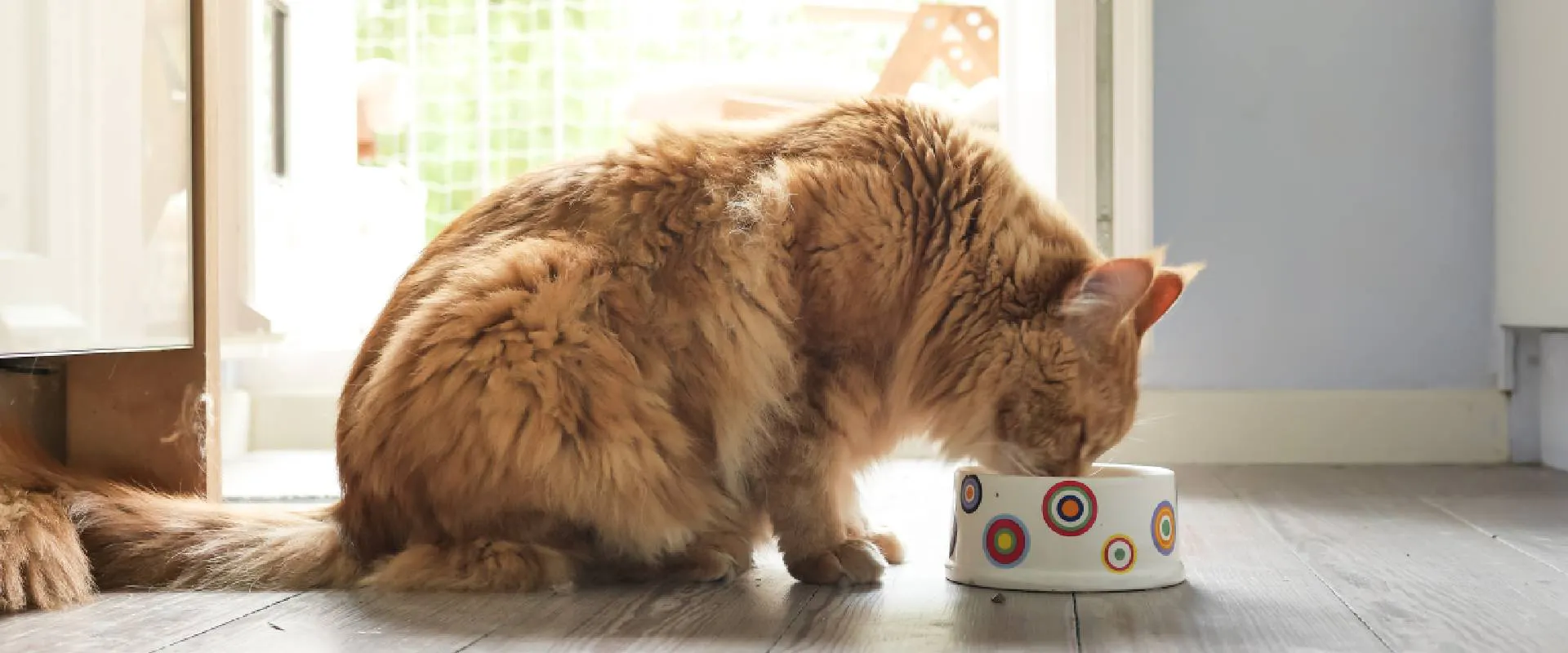
What Triggers Anxiety and Stress in Cats?
Cats don't necessarily display their emotions like dogs, but they can experience stress and anxiety from:
- Changes in the house (relocating, new furniture, visitors)
- Noise (thunderstorms, fireworks)
- Being away from their owners
- Visits to the veterinarian or grooming
- Fight with other pets
- No stimulation or boredom
Anxiety in cats may be exhibited as hiding, fighting, excessive grooming, inappropriate urination, loss of appetite, or meowing.

Can Inositol Decrease Stress in Cats?
Although studies involving inositol in cats remain few, the effects it has had in human and animal trials imply that it can be a beneficial natural support for feline anxiety. Below is how inositol could benefit:
1. Sedative Impact on the Nervous System
The action of inositol in conjunction with serotonin and GABA pathways promotes an enhanced balanced nervous system, hence more relaxed. This is pivotal in ensuring stressed cats remain calm.
2. Maintenance of Behavioral Disorders
Certain cats display compulsive behaviors like over-grooming, tail chasing, or pacing back and forth repeatedly-usually associated with hidden anxiety. Inositol might help to balance these repetitive behaviors in cats as it does in humans with OCD.
3. Complement to Other Calming Strategies
Inositol can be combined with other calming strategies like pheromone sprays, environmental enrichment, dietary changes, and routine establishment to alleviate anxiety.
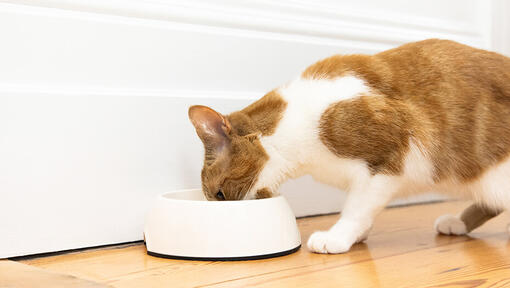
Is Inositol Safe for Cats?
Yes, inositol is generally considered safe for cats when used in appropriate doses. It is non-toxic, well-tolerated, and naturally occurs in small amounts in certain foods like grains and organ meats.
That said, it's important to:
- Consult a veterinarian before giving inositol to your cat, especially if your cat is on medication or has a chronic condition.
- Use the appropriate dosage according to your cat's weight and requirements. Overdosing can lead to digestive disturbances, but severe side effects are uncommon.

How Is Inositol Administered to Cats?
Inositol for cats is most often supplied in:
- Powder or capsule form: These can be added to food.
- Combined supplements: Some anxiety cat supplements include inositol along with L-theanine, tryptophan, or valerian root.
- Veterinary preparations: These may be prescribed for particular behavioral issues.
Average dosage range:
A starting safe dose is typically 25–100 mg daily, depending on the size and requirements of your cat. Always consult professional advice for the right amount.

Are There Alternatives or Complementary Supplements?
Inositol may be blended with other calming ingredients to complement its effects, including:
- L-theanine – in green tea; promotes relaxation
- Tryptophan – serotonin precursor
- Chamomile or valerian root – herbal natural sedatives
- CBD (cannabidiol) – becoming popular for stress relief in animals (use with vet advice)
Taken in combination, these supplements could be a complete calming remedy for stressed or anxious cats.

When to Give Inositol to Your Cat
Inositol could be helpful if your cat is displaying:
- Chronic environmental stress
- Separation anxiety when you're gone
- Travel or vet visit fear
- Compulsive grooming or violence
- Loud noise phobia
For short-term stressors (such as house-moving), inositol can be administered for several days to a week. For chronic anxiety, it could form part of an extended calming strategy.
Conclusion: Is Inositol a Natural Way to Help Cats Relax?
Yes-inositol is an encouraging, naturally occurring supplement that can potentially minimize stress and anxiety in cats through brain health support and neurotransmitter balance. More cat-specific research is required, but its safety profile and broad use in other animals make it a consideration worth exploring for pet owners seeking to address feline anxiety in a gentle, non-pharmaceutical manner.
As always, consult your vet before starting any supplement, especially if your cat has medical conditions or is on medications. With the right dosage and support, inositol could become a valuable addition to your cat's wellness toolkit.
References:
Goff, D. C., & Coyle, J. T. (2001). The Emerging Role of Inositol in Psychiatry. Biological Psychiatry, 50(2), 102–109.
Lofgren, J., & Peterson, R. G. (1999). Myo-inositol and behavior: A potential therapy for behavioral disorders. Journal of Nutritional Biochemistry, 10(9), 524–529.
Landsberg, G., Hunthausen, W., & Ackerman, L. (2012). Behavior Problems of the Dog and Cat. Saunders Elsevier.
PetMD Editorial. (2023). "Anxiety in Cats: Symptoms, Causes, and Treatments." PetMD.com.
American Holistic Veterinary Medical Association (AHVMA). (2022). "Nutritional and Herbal Support for Behavior Issues in Pets."


