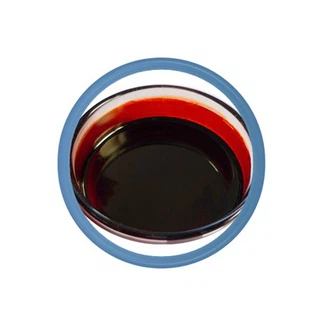
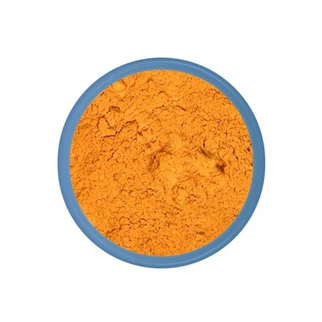
As pet owners become increasingly educated about natural supplements that promote feline health, one potent antioxidant is making waves in the pet nutrition community: Astaxanthin. This naturally occurring carotenoid is well known for its bright red-orange hue and its impressive health benefits-not only for humans, but for pets as well.
In cats, astaxanthin can be instrumental in maintaining long-term vitality, enhancing immune defense, enhancing joint mobility, maintaining eye health, and improving the skin and coat. But what is astaxanthin, and why is it becoming an increasingly sought-after ingredient in top-quality pet supplements?

What Is Astaxanthin?
Astaxanthin is a natural carotenoid pigment that occurs in microalgae (Haematococcus pluvialis) and some seafood such as shrimp, krill, and salmon. It is responsible for the pink or red color of these animals. Astaxanthin is commonly called a "super-antioxidant" due to its greater capacity to neutralize damaging free radicals.
In contrast to other antioxidants, astaxanthin is able to penetrate the blood-brain barrier and blood-retina barrier, making it directly supportive to the brain, eyes, and central nervous system - all locations of utmost importance for older cats.

Why Is Antioxidant Support Important for Cats?
Cats, as humans, are exposed every day to oxidative stress due to metabolism, toxins in the environment, a poor diet, infection, and aging. Oxidative stress creates free radicals, unstable molecules that harm healthy cells over time and can cause inflammation, chronic disease, and premature aging.
Antioxidants such as astaxanthin help counteract these free radicals, shielding the body from damage from the inside out and ensuring regular body processes continue normally. In a cat, this can mean healthier aging, a more robust immune system, and enhanced quality of life.
Advantages of Astaxanthin on Cat Health
1. Enhances Immune Function
Astaxanthin assists in regulating the immune system so that it is more effective at detecting and reacting to pathogens without overreacting. In cats, this can lower the risk of:
- Respiratory infections
- Skin infections
- Allergies or autoimmune-induced chronic inflammation
Cats with suppressed immunity (particularly seniors or those recovering from illness) may specifically benefit from astaxanthin's immune-modulating effects.
2. Supports Eye Health
One of astaxanthin's most distinguishing advantages is protecting the eyes. Since it permeates the blood-retina barrier, it can work to defend sensitive eye tissues from oxidative stress. Positive benefits include:
- Decreased risk for retinal degeneration and age-related vision issues
- Ultraviolet protection against damage
- Maintenance for night vision and general ocular health
This makes astaxanthin particularly beneficial in older cats or breeds with eye disease susceptibility.
3. Enhances Skin and Coat Health
Dogs with dry skin, allergies, or inflammation will often benefit remarkably when administered astaxanthin. Astaxanthin reduces:
- Skin inflammation and itching
- Improves the coat's luster and softness
- Fosters healing of wounds
Indeed, several high-quality pet skin and coat supplements contain astaxanthin as an active ingredient today.
4. Maintains Joint and Muscle Function
Astaxanthin is a natural anti-inflammatory and is therefore the perfect choice to support joint health in cats, especially seniors or those with arthritis. It benefits:
- Decreases inflammation in muscles and joints
- Relieves stiffness and pain
- Encourages mobility and exercise
Unlike pharmaceutical drugs, astaxanthin has no reported side effects and is well tolerated for long-term use.
5. Protects Brain and Cognitive Function
With age, cognitive function can diminish, just as it does in humans. Astaxanthin maintains neurological health by:
- Alleviating oxidative stress in the brain
- Promoting memory and learning
- Delivering delay in mental deterioration associated with age
Confused, restless, or less interactive cats may respond well to brain-protective antioxidants such as astaxanthin.
6. Promotes Cardiovascular Wellness
Astaxanthin can promote cardiovascular wellness in cats by:
- Reducing blood vessel oxidative damage
- Promoting normal blood pressure and circulation
- Suppressing systemic inflammation
This makes it a good choice for aging cats or those with heart conditions, especially when combined with other cardiovascular support nutrients.
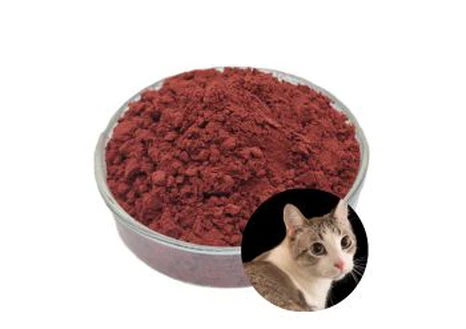
How Is Astaxanthin Given to Cats?
Astaxanthin is usually provided in powder, capsule, or softgel form as part of a daily supplement. For cats, you'll often find it:
- Included in multi-nutrient supplements for senior cats
- Mixed with fish oil or krill oil
- Added to high-quality commercial cat foods
You can also obtain single astaxanthin product specifically for pets, with the right dosing.

Dosage for Cats
The usual dose for cats is 1–2 mg per day, varying by size and health status. Always read the manufacturer instructions or seek the advice of a veterinarian, particularly if your cat is on medication or has an ongoing health condition.

Is Astaxanthin Safe for Cats?
Yes, astaxanthin is safe for cats when taken in recommended amounts. It is a naturally occurring substance with no toxicity and is non-allergenic. With all supplements, though, it's best to:
- Add it gradually
- Keep an eye on your cat for changes
- Make sure you're using pet-grade astaxanthin from a trusted source
Not give human-grade products to cats, as they might include other substances that are not healthy for pets.

Which Cats Can Benefit Most?
Astaxanthin may be beneficial for cats regardless of age but particularly:
- Elderly cats requiring immune, joint, and brain support
- Cats suffering from allergies or skin issues
- Overweight, inactive cats subject to inflammation
- Cats with recovering illness or surgery
- Athletic cats experiencing greater oxidative stress
Conclusion
Astaxanthin is a natural powerhouse when it comes to supporting cat health. Its potent antioxidant properties help protect your feline friend from inflammation, immune dysfunction, joint issues, cognitive decline, and more. Whether you're looking to help your senior cat age gracefully or support your young cat's long-term health, astaxanthin is a safe and effective supplement worth considering.
As always, check with your veterinarian before beginning any new supplement, and select high-quality pet-formulated products for optimal results.
References
Ambati, R. R., Phang, S. M., Ravi, S., & Aswathanarayana, R. G. (2014). Astaxanthin: Sources, Extraction, Stability, Biological Activities and Its Commercial Applications – A Review. Marine Drugs, 12(1), 128–152.
Chew, B. P., & Park, J. S. (2004). Carotenoid Action on the Immune Response. The Journal of Nutrition, 134(1), 257S–261S.
Hussein, G., Nakamura, M., Zhao, Q., et al. (2006). Antihypertensive and Neuroprotective Effects of Astaxanthin in Experimental Animals. Biological & Pharmaceutical Bulletin, 29(4), 684–688.
EFSA Panel on Additives and Products or Substances used in Animal Feed (FEEDAP). (2014). Scientific Opinion on the Safety and Efficacy of Astaxanthin as a Feed Additive for Salmonids, Crustaceans, and Other Animals.