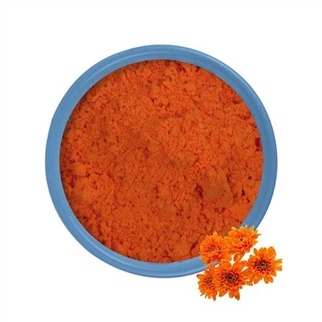
Capsaicin powder has been used in veterinary medicine as a topical analgesic for animals experiencing pain or inflammation, similar to its use in human medicine. However, its application in animals should be done under the supervision of a veterinarian, as the concentration and application method may differ from human usage.
What is Capsaicin Cream
Capsaicin cream has been a popular natural remedy for arthritis pain for many years. Derived from chili peppers, this topical treatment is known for its analgesic and anti-inflammatory properties. In this blog post, we'll dive deep into the world of capsaicin cream and explore how it can help alleviate arthritis pain. Let's learn about this fascinating natural remedy.
The Science Behind Capsaicin
Capsaicin is the active ingredient in chili peppers, responsible for their spicy flavor. When it comes into contact with the skin, it causes a sensation of warmth, which is known as a counterirritant effect. This effect distracts the body from the arthritis pain, providing temporary relief.
At a molecular level, capsaicin works by binding to a protein called the Transient Receptor Potential Vanilloid 1 (TRPV1). This protein is found on the nerve endings of pain receptors. When capsaicin binds to TRPV1, it triggers the release of a neurotransmitter called substance P, which is involved in transmitting pain signals to the brain. However, with continuous use of capsaicin cream, the levels of substance P in the treated area decrease, resulting in reduced pain.
At a molecular level, capsaicin works by binding to a protein called the Transient Receptor Potential Vanilloid 1 (TRPV1). This protein is found on the nerve endings of pain receptors. When capsaicin binds to TRPV1, it triggers the release of a neurotransmitter called substance P, which is involved in transmitting pain signals to the brain. However, with continuous use of capsaicin cream, the levels of substance P in the treated area decrease, resulting in reduced pain.
Capsaicin Cream and Arthritis
Arthritis is a chronic condition characterized by inflammation and pain in the joints. There are different types of arthritis, but the two most common forms are osteoarthritis and rheumatoid arthritis.
- Osteoarthritis is a degenerative joint disease that occurs when the cartilage between the joints breaks down, leading to pain, stiffness, and reduced mobility. It usually affects older adults and is more common in weight-bearing joints such as the hips, knees, and spine.
- Rheumatoid arthritis is an autoimmune disease where the body's immune system mistakenly attacks its own joints. This causes inflammation, pain, and joint damage. It can affect people of any age and may involve multiple joints, including the hands, feet, and wrists.
Capsaicin cream has been found to be effective in providing relief from arthritis pain, particularly in people with osteoarthritis. A number of studies have demonstrated that the regular application of capsaicin cream can significantly reduce pain and improve joint function in individuals with arthritis.
Benefits of Capsaicin Cream
1. Natural pain relief: Capsaicin cream offers a natural alternative to conventional pain relief medications, which can have side effects and may not be suitable for everyone.
2. Reduced inflammation: Capsaicin has been shown to possess anti-inflammatory properties, which can help reduce joint inflammation and alleviate arthritis pain.
3. Improved joint mobility: By reducing pain and inflammation, capsaicin cream can help improve joint mobility and overall quality of life for arthritis sufferers.
4. Cost-effective: Compared to other pain relief treatments, capsaicin cream is relatively inexpensive and readily available over the counter.
5. Easy to apply: Capsaicin cream is simple to use and can be applied directly to the affected areas, providing targeted pain relief.
6. Low risk of drug interactions: Since capsaicin cream is a topical treatment, it is less likely to interact with other medications, making it a safer option for individuals on multiple medications.
7. Complementary therapy: Capsaicin cream can be used alongside other arthritis treatments, such as physical therapy, exercise, and medications, to provide additional pain relief and improve overall outcomes.

How to Use Capsaicin Cream
Follow these steps to safely and effectively use capsaicin cream for arthritis pain:
1. Consult your healthcare provider: Before using capsaicin cream, consult your doctor or pharmacist to ensure it is appropriate for your specific situation and to discuss any potential risks or interactions with other medications.
2. Start with a low concentration: Capsaicin creams are available in different strengths, typically ranging from 0.025% to 0.1%. Start with a lower concentration to minimize the risk of skin irritation and gradually increase if needed.
3. Apply sparingly: Apply a small amount of cream to the affected area, and gently massage it into the skin until fully absorbed. Be sure to wash your hands thoroughly after application to avoid accidentally getting the cream in your eyes or on other sensitive areas.
4. Use as directed: Follow the instructions on the product label or as advised by your healthcare provider. Typically, capsaicin cream should be applied 3-4 times a day for optimal results.
5. Be patient: It may take up to two weeks for the full benefits of capsaicin cream to become apparent. Continue using the cream as directed, and consult your healthcare provider if you do not experience any improvement in your symptoms.
Animals use Capsaicin
Animals also encounter capsaicin in their natural environment, primarily when they consume or come into contact with chili peppers. The effects of capsaicin on animals can vary depending on the species and their sensitivity to this compound. Below are some examples of how animals interact with or use capsaicin:
1. Mammals and Capsaicin: Most mammals, such as rodents and humans, are sensitive to capsaicin and experience a burning sensation when they consume chili peppers or come into contact with the compound. This is because capsaicin activates the TRPV1 receptor in mammals, which is responsible for detecting heat and pain. The sensitivity to capsaicin in mammals has led to the belief that chili peppers evolved capsaicin as a defense mechanism to deter mammals from eating them, thus protecting their seeds from damage.
2. Birds and Capsaicin: Unlike mammals, birds do not have the same sensitivity to capsaicin. They can consume chili peppers without experiencing the burning sensation or discomfort that mammals do. This is beneficial for chili plants, as birds help disperse their seeds over long distances without damaging them. The seeds pass through the bird's digestive system unharmed and are dispersed in their droppings, allowing the plants to propagate more effectively.
3. Insects and Capsaicin: Capsaicin can act as a natural insect repellent. Some insects, such as certain types of caterpillars, are deterred by the presence of capsaicin in chili plants. This helps protect the plants from damage caused by these insects. Additionally, some gardeners use capsaicin-based sprays as an organic pest control method to protect their plants from various pests.
4. Animal deterrents: Capsaicin-based repellents are also used to deter larger animals, such as deer or raccoons, from damaging crops or invading human spaces. These repellents work by causing discomfort to the animals when they come into contact with the capsaicin, discouraging them from returning to the area.
5. Pain relief in veterinary medicine: Capsaicin has been used in veterinary medicine as a topical analgesic for animals experiencing pain or inflammation, similar to its use in human medicine. However, its application in animals should be done under the supervision of a veterinarian, as the concentration and application method may differ from human usage.
In summary, animals interact with capsaicin in various ways, from consuming chili peppers to experiencing its effects as a deterrent or as a form of pain relief. The sensitivity to capsaicin can vary greatly between species, with birds being notably less affected by the compound compared to mammals.
Benefits of Capsaicin for Pets
While capsaicin is primarily known for its effects on humans, it can also provide certain benefits for pets when used appropriately and under the guidance of a veterinarian. Some potential benefits of capsaicin for pets include:
1. Pain relief: Just as capsaicin is used in human medicine for pain relief, it can also be employed to alleviate pain in animals, particularly for conditions like arthritis or joint inflammation. Capsaicin works by depleting the neurotransmitter substance P, which is responsible for transmitting pain signals to the brain. However, it is crucial to consult with a veterinarian before using capsaicin for pain relief in pets, as the dosage and application method may differ from human usage.
2. Anti-inflammatory properties: Capsaicin has been found to possess anti-inflammatory properties, which can be beneficial for pets suffering from inflammatory conditions. The compound may help reduce inflammation and provide relief from associated symptoms.
3. Wound healing: Some studies suggest that capsaicin might promote wound healing by increasing blood flow to the affected area and reducing inflammation. However, more research is needed to fully understand its potential in this area.
4. Digestive health: Capsaicin has been shown to improve digestion and reduce gastrointestinal discomfort in some animals. It can stimulate digestive enzymes and help with the breakdown of food, leading to improved gut health. However, it is essential to consult with a veterinarian before using capsaicin for digestive health in pets, as the appropriate dosage and application will vary depending on the species and individual pet.
It is important to note that capsaicin can cause irritation and discomfort in pets if not used correctly. Cats and dogs have a heightened sensitivity to capsaicin compared to humans, and it can cause a burning sensation, skin irritation, or even gastrointestinal distress if ingested in large quantities. Therefore, always consult a veterinarian before using capsaicin for your pet and follow their guidance on the appropriate dosage and application method.
Conclusion
Capsaicin cream offers a natural and effective way to manage arthritis pain. Its analgesic and anti-inflammatory properties can help reduce joint inflammation, improve mobility, and enhance the overall quality of life for arthritis sufferers. As with any treatment, it is essential to consult your healthcare provider before using capsaicin cream to ensure it is suitable for your specific needs and to discuss any potential risks or interactions with other medications. With the right approach and patience, capsaicin cream can be a valuable addition to your arthritis pain management toolkit.
Capsaicin powder factory Contact us today to learn more, request a sample, or place an order.
References:https://www.versusarthritis.org/about-arthritis/complementary-and-alternative-treatments/types-of-complementary-treatments/capsaicin/
https://www.healthline.com/health/capsaicin-cream
https://www.hss.edu/article_capsaicin_cream.asp
https://pubmed.ncbi.nlm.nih.gov/1954640/
https://en.wikipedia.org/wiki/Capsaicin
https://www.webmd.com/pain-management/what-is-capsaicin