


How Does Capsaicin Work
Capsaicin is taken from chilli peppers. It works mainly by reducing Substance P, a pain transmitter in your nerves. Results from RCTs assessing its role in treating osteoarthritis suggest that it can be effective in reducing pain and tenderness in affected joints, and it has no major safety problems.
How Does Capsaicin Work For Pain
Capsaicin is used to help relieve pain. Capsaicin works by first stimulating and then decreasing the intensity of pain signals in the body. Although pain may at first increase, it usually decreases after the first use.
Mechanism of Action
1. When capsaicin is applied to the skin or ingested, it binds to the TRPV1 receptor.
2. This binding causes the receptor to open, allowing an influx of calcium ions into the cell.
3. The sudden increase in calcium ions results in a sensation of burning or pain.
4. Prolonged exposure to capsaicin leads to desensitization of the TRPV1 receptor, effectively reducing the sensation of pain.
Capsaicin for Pain Relief: Topical Applications and Ingestion
Capsaicin can be used as a topical analgesic to treat conditions such as arthritis, neuropathic pain, and muscle pain. Over-the-counter creams and patches containing capsaicin are available for pain relief.
Ingesting capsaicin, usually in the form of spicy foods, may also provide some pain relief. Research indicates that regular consumption of capsaicin-rich foods can help reduce the perception of pain over time.
How Does Capsaicin Work For Weight Loss
Capsaicin has been shown to promote weight loss by increasing energy expenditure, a process known as thermogenesis. Thermogenesis is the production of heat by the body, which burns calories and helps maintain a healthy weight.
The Role of Capsaicin in Weight Loss
1. Capsaicin increases the release of adrenaline and noradrenaline, stimulating the breakdown of fat.
2. It raises the body's metabolic rate, resulting in higher energy expenditure.
3. Capsaicin may help reduce appetite, leading to lower calorie intake.
4. Incorporating Capsaicin into Your Diet for Weight Loss.
Adding capsaicin to your diet can be as simple as incorporating more spicy foods or using chili pepper-based sauces and seasonings. Capsaicin supplements are also available, but it's essential to consult a healthcare professional before adding any new supplement to your routine.
How Does Capsaicin Work For Shingles
Capsaicin for Shingles Pain Relief Shingles, caused by the reactivation of the varicella-zoster virus, often results in a painful rash and nerve pain called postherpetic neuralgia (PHN). Capsaicin has been shown to be effective in treating PHN by desensitizing pain receptors and reducing the transmission of pain signals to the brain.
Capsaicin Treatment for Shingles
1. Topical creams and patches containing capsaicin can be applied directly to the affected area to help alleviate pain.
2. It's important to start with a low concentration of capsaicin and gradually increase it as needed to minimize irritation.
3. Consult a healthcare professional before using capsaicin for shingles, as some individuals may be more sensitive to its effects.
Capsaicin Role in Nerve Pain
Capsaicin's effectiveness in treating nerve pain is not limited to shingles. It has also been found to provide relief for various neuropathic pain conditions, such as diabetic neuropathy and trigeminal neuralgia.
How Does Capsaicin Work Chemistry
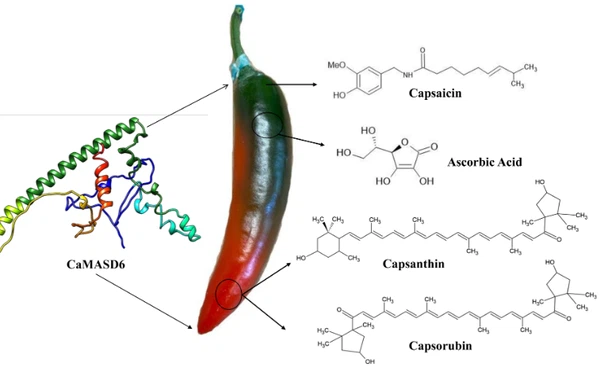
Capsaicin (C18H27NO3) is an alkaloid and the primary active component responsible for the pungency of chili peppers. It belongs to a family of compounds called capsaicinoids, which also includes other pungent substances like dihydrocapsaicin, nordihydrocapsaicin, and homocapsaicin.
Capsaicin Molecular Interactions
Capsaicin ability to induce pain, heat sensation, and desensitization is primarily due to its interaction with the TRPV1 receptor. Capsaicin binds to the receptor's intracellular region, causing a conformational change that allows calcium ions to enter the cell, leading to the perception of pain or heat.
How Does Capsaicin Affect The Body
Capsaicin's interaction with the TRPV1 receptor can lead to a variety of physiological responses. Some of the notable effects of capsaicin on the body include:
1. Pain relief: Desensitization of pain receptors reduces the perception of pain.
2. Thermogenesis: Increased metabolic rate and energy expenditure promote weight loss.
3. Reduced inflammation: Capsaicin has been shown to have anti-inflammatory properties.
4. Improved digestion: Capsaicin may aid digestion by stimulating gastric secretions and increasing blood flow to the stomach lining.
Cardiovascular benefits: Capsaicin may help lower blood pressure and improve heart health.

How Much Capsaicin Do You Need To Burn Fat
The optimal amount of capsaicin needed for fat-burning effects varies between individuals, and there is no one-size-fits-all recommendation. Factors such as age, weight, and tolerance to spicy foods can influence the amount of capsaicin needed for weight loss benefits.
It's essential to consult a healthcare professional before starting any weight loss regimen, including the use of capsaicin supplements. Generally, incorporating spicy foods or chili pepper-based sauces into your diet can provide capsaicin's fat-burning benefits without the need for supplementation.
Why Does Capsaicin Relieve Pain
Capsaicin is the compound found in peppers that gives them their infamous hot and spicy kick. This compound is well-known for its pain-relieving properties. It works by affecting the neurotransmitter that communicates pain signals to the brain. In this way, it can reduce the perception of pain.
If you want to buy Capsaicin powder bulk Contact us today to learn more, request a sample, or place an order.
References:https://www.versusarthritis.org/about-arthritis/complementary-and-alternative-treatments/types-of-complementary-treatments/capsaicin/
https://www.uofmhealth.org/health-library/ut1025spec
https://www.healthline.com/nutrition/capsaicin-supplement
https://www.mayoclinic.org/drugs-supplements/capsaicin-topical-route/description/drg-20062561
https://pubmed.ncbi.nlm.nih.gov/1954640/
https://en.wikipedia.org/wiki/Capsaicin
https://www.webmd.com/pain-management/what-is-capsaicin


