


In recent years, natural plant-derived antioxidants have gained significant attention in animal nutrition. Among them, carnosic acid, a bioactive compound extracted primarily from rosemary (Rosmarinus officinalis), stands out for its potent antioxidant, antimicrobial, and anti-inflammatory properties. However, one of the key considerations for feed manufacturers and animal nutritionists is the cost - is carnosic acid truly worth its price for animal feed applications?
This article explores the value behind carnosic acid, its benefits, functions in animal health, and whether its price justifies its inclusion in modern feed formulations.
What Is Carnosic Acid?
Carnosic acid is a naturally occurring phenolic diterpene found in rosemary and sage. It acts as a lipid-soluble antioxidant, meaning it can protect fats and oils in feed from oxidation while also providing physiological benefits to animals.
It is often standardized in rosemary extract powders with concentrations ranging from 10% to 60%, depending on the intended application - from feed preservation to direct inclusion as a bioactive supplement.
Carnosic Acid Price Overview
The price of carnosic acid varies depending on purity, source, and supplier. As of recent market data (2024–2025):
- Low-purity rosemary extracts (10–20%): around $20–40/kg.
- High-purity carnosic acid (≥60%): around $80–150/kg.
While this price may seem higher compared to synthetic antioxidants like BHA, BHT, or ethoxyquin, the natural and multifunctional properties of carnosic acid make it a valuable long-term investment for feed producers seeking clean-label, health-oriented formulations.

Key Benefits of Carnosic Acid for Animals
Powerful Natural Antioxidant
Carnosic acid stabilizes fats and oils in feed, preventing rancidity and the formation of harmful oxidation products. Unlike synthetic antioxidants, it offers sustained oxidative protection without toxic residues.
In animal physiology, it scavenges free radicals, protecting cell membranes and tissues from oxidative stress. This supports:
- Improved immune function
- Better growth performance
- Reduced cellular damage in high-stress or heat conditions
Supports Immune and Inflammatory Balance
Carnosic acid modulates inflammatory pathways by inhibiting NF-κB and COX-2 expression - two key markers of inflammation. This natural anti-inflammatory effect is especially beneficial for livestock under stress, infection, or intensive farming conditions.
Enhances Meat and Product Quality
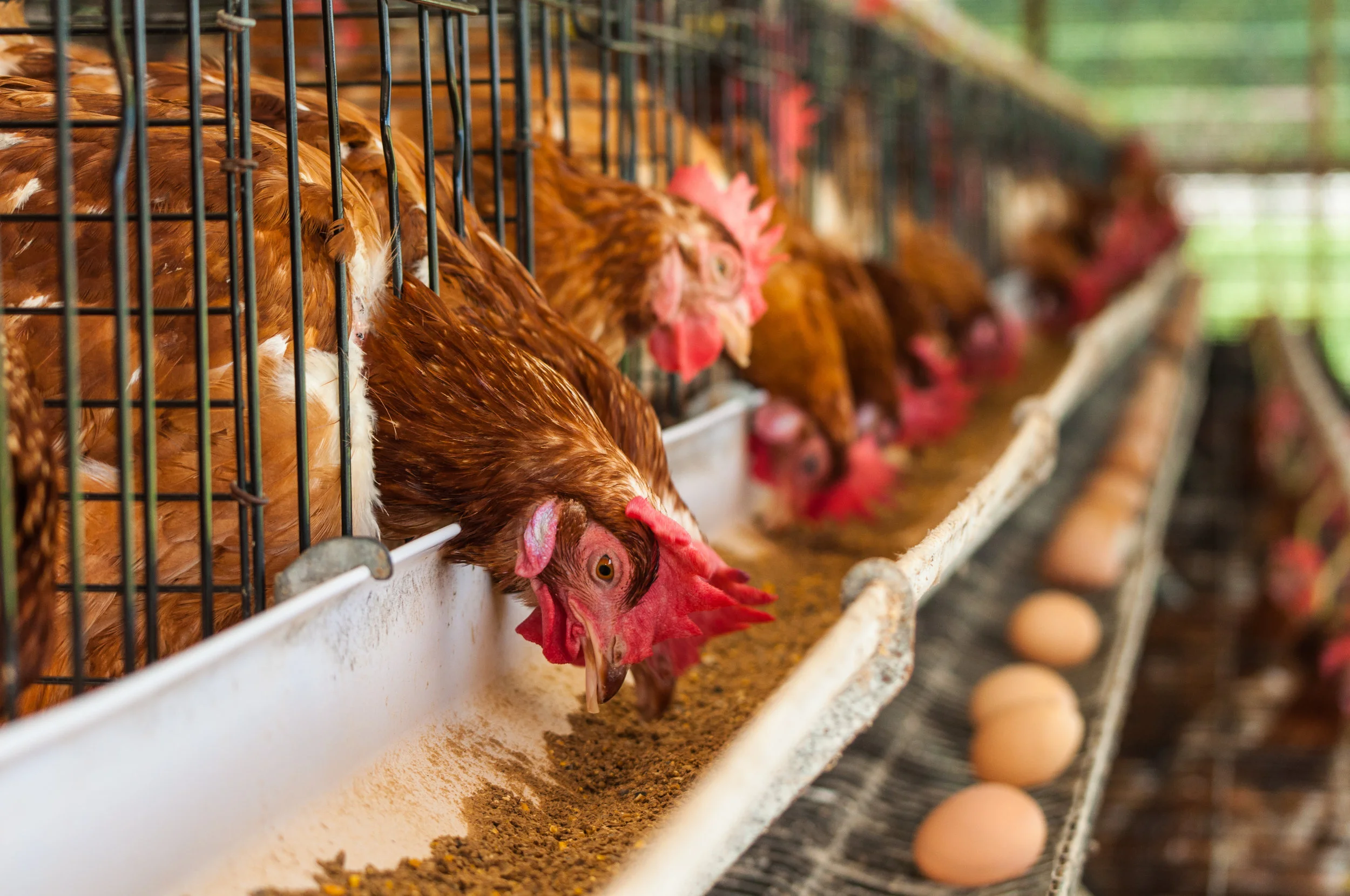
In poultry and livestock, oxidative stability directly influences meat quality, flavor, and shelf life. Carnosic acid prevents lipid oxidation in muscle tissue, preserving:
- Color stability
- Nutrient integrity
- Palatability
This makes it valuable for producers targeting premium meat, egg, or dairy quality. Additionally, by preventing oxidative spoilage, it can extend product shelf life naturally.
Natural Feed Preservation
As a feed antioxidant, carnosic acid protects ingredients rich in unsaturated fats, such as fish oil, flaxseed, or poultry fat. It helps maintain feed freshness and prevents the development of off-flavors.
This function reduces feed waste and maintains the nutritional value of essential fatty acids, especially important in aquaculture and pet food formulations.
uitable for Pets, Livestock, and Aquaculture
Carnosic acid's broad safety profile allows its use across animal categories:
- Pets: Supports immune health, skin condition, and oxidative balance.
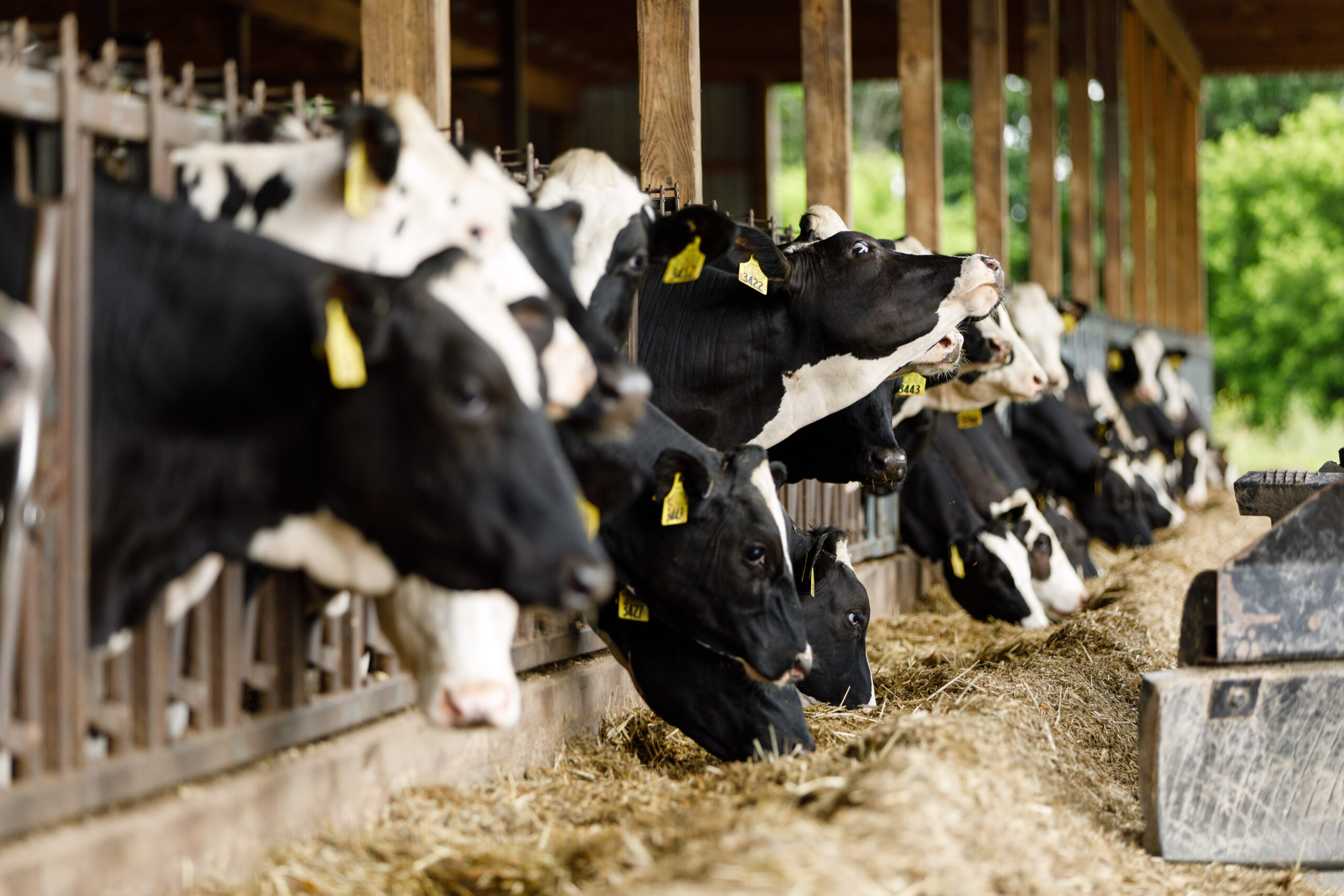
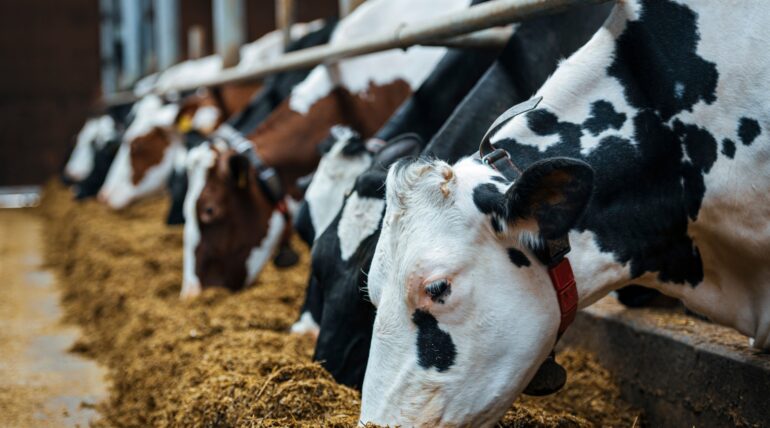
- Livestock (pigs, poultry, ruminants): Enhances feed efficiency and product quality.
- Aquaculture (fish, shrimp): Protects against oxidative stress and improves survival under intensive systems.

Carnosic Acid vs. Synthetic Antioxidants
| Feature | Carnosic Acid | Synthetic Antioxidants (BHA, BHT, Ethoxyquin) |
|---|---|---|
| Source | Natural (rosemary) | Synthetic chemicals |
| Toxicity | Low, safe for all species | Potential toxicity concerns |
| Oxidation protection | Strong and sustained | Effective but may degrade faster |
| Regulatory acceptance | Widely accepted in natural feed formulations | Restricted or banned in some markets |
| Consumer preference | High (natural label) | Low (chemical additives) |
Given this comparison, even though carnosic acid is more expensive per kilogram, its multifunctional benefits and clean-label status make it an economically viable alternative for manufacturers seeking long-term brand and product value.
Economic Perspective: Is the Cost Worth It?
When evaluating cost-effectiveness, it's important to consider return on investment (ROI) rather than price per kilogram alone.
For example:
- Feed preservation: Reduces oxidation losses and feed spoilage, saving costs in the long run.
- Animal health benefits: Fewer disease incidents and improved performance offset higher ingredient costs.
- Marketability: Allows branding as natural, antioxidant-rich, or clean-label, attracting premium markets (especially in pet and aquafeed).
In this context, carnosic acid's price-to-benefit ratio is favorable for producers who prioritize quality, sustainability, and animal welfare.

Safety and Regulatory Status
Carnosic acid has been evaluated and approved for use in foods and feeds by multiple international authorities:
European Food Safety Authority (EFSA) recognizes rosemary extract (including carnosic acid) as safe for animal feed.
U.S. FDA lists it as Generally Recognized as Safe (GRAS) for use as a natural antioxidant.
It shows no mutagenic, carcinogenic, or reproductive toxicity, confirming its safety across species.
Sustainability and Clean Label Advantage
Consumers and feed manufacturers increasingly demand natural, sustainable additives. Rosemary extract, as a renewable plant-based source, meets these requirements.
By replacing synthetic antioxidants with carnosic acid, producers can reduce chemical residues in food chains and promote eco-friendly production - a growing priority in global markets.

Conclusion: A Premium Choice for Modern Feed Formulations
Although carnosic acid may come with a higher upfront cost, its comprehensive health, preservation, and quality benefits make it a wise investment for feed producers aiming to meet modern standards of sustainability and animal welfare.
From improving oxidative stability to enhancing immune resilience and meat quality, carnosic acid stands out as a natural, multifunctional, and safe feed additive.
In short - yes, carnosic acid is worth the cost. Its price reflects its value as a high-performance, clean-label antioxidant that supports animal health and industry innovation.
References
Zhang, W., et al. (2021). Effects of rosemary extract on antioxidant capacity and growth performance in broiler chickens. Poultry Science, 100(6), 101224.
Liu, Y., et al. (2020). Dietary rosemary extract supplementation enhances immunity and reduces inflammation in weaned pigs. Animal Feed Science and Technology, 266, 114505.
EFSA Panel on Additives and Products or Substances used in Animal Feed (FEEDAP). (2018). Safety and efficacy of rosemary extract as a feed additive for all animal species. EFSA Journal, 16(8), 5362.
López-Bascón, M. A., et al. (2019). Antioxidant mechanisms of carnosic acid: A review of its role in lipid oxidation and cellular protection. Food Chemistry, 276, 129–139.
U.S. Food and Drug Administration (FDA). (2023). GRAS Notice Inventory – Rosemary Extract (Carnosic Acid) as a Natural Antioxidant.


