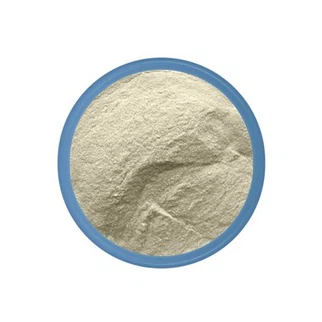
In the evolving landscape of pet nutrition, krill meal has emerged as a powerhouse ingredient, offering a multitude of health benefits for our furry companions. Derived from tiny, shrimp-like crustaceans found in the pristine waters of Antarctica, krill meal is rich in essential nutrients that support various aspects of pet health. This article delves into the nutritional profile of krill meal and its multifaceted benefits for pets.
qrillpet.com

1. Nutritional Composition of Krill Meal
Krill meal is a high-density ingredient, having a rich content of:
High-Quality Protein: With around 55-65% protein content, krill meal contains essential amino acids that are crucial for the growth of muscles and repair of tissues in pets.
- Omega-3 Fatty Acids: Krill meal is rich in EPA and DHA, omega-3 fatty acids essential for cardiovascular health, brain function, and anti-inflammatory processes. Significantly, these omega-3s are phospholipid-bound, which improves their bioavailability over the triglyceride-bound forms of fish oils.
- Astaxanthin: This powerful antioxidant gives krill its distinctive red color and has a key function in fighting oxidative stress, hence immune health.
- Choline: Choline is an important nutrient that helps in the functioning of the liver, development of the brain, and movement of muscles in pets.

2. Health Benefits of Krill Meal for Pets
a. Improved Cardiovascular Health
The omega-3 fatty acids in krill meal help maintain heart health by lowering the level of triglycerides, lowering blood pressure, and inhibiting the formation of arterial plaque. All these benefits lower the risk of heart diseases in pets.
b. Cognitive Function and Brain Health
DHA, an omega-3 component of krill meal, plays a critical role in brain function and growth. Sustained consumption promotes cognitive functions, improves memory, and can decelerate age-related cognitive decline in animals.
c. Support for Joint and Mobility
The anti-inflammatory activity of EPA and DHA reduces joint pain and stiffness, enhances the mobility of animals, which is very helpful for older or arthritic animals.
Human & Pets
d. Skin and Coat Health
Omega-3 fatty acids in krill meal maintain healthy skin and coat shine by keeping body skin hydrated, lowering inflammation, and protecting against conditions such as dermatitis.
Human & Pets
e. Immune System Enhancement
The antioxidant ability of astaxanthin supports the pet's immune system against infections and diseases by preventing cell damage caused by free radicals.
Human & Pets
f. Liver Function Support
Choline in krill meal supports fat metabolism and prevents the accumulation of fat in the liver, resulting in maximum liver function and health.
niqi-petfood.com
3. Grea ter Bioavailability
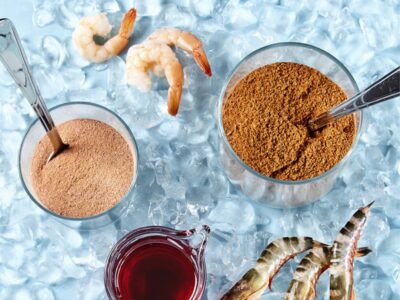
One of the differentiating aspects of krill meal is the phospholipid-bound structure of its omega-3 fatty acids. This gives a higher absorption and incorporation of these fatty acids into cell membranes and thus makes them better than the triglyceride-bound omega-3s of fish oils.
Krill are small, shrimp-like marine crustaceans that live in oceans around the world, especially in cold waters like the Antarctic. The most well-known species is Euphausia superba, commonly called Antarctic krill.
What Are Krill?
- Tiny sea creatures (usually 1–6 cm long)
- Found in large swarms in ocean waters
- A crucial part of the marine food chain
Krill feed mainly on phytoplankton (microscopic marine plants). In turn, they are a major food source for whales, seals, penguins, fish, and seabirds.
Why Are Krill Important?
- Ecosystem Role – Krill are a foundational species in marine ecosystems.
- Nutritional Value – They are rich in omega-3 fatty acids (EPA and DHA), protein, and astaxanthin (a powerful antioxidant).
- Used in Supplements & Feed – Krill oil and krill meal are commonly used in human supplements, aquaculture, and pet food for their high bioavailability and nutritional benefits.
Simple Definition:
Krill are small ocean crustaceans that serve as a key food source in marine ecosystems and are valued for their omega-3 rich oil and protein.

4. Sustainability and Eco-Friendliness
Krill fishing is highly regulated in order to maintain the ecological balance. Companies such as the Commission for the Conservation of Antarctic Marine Living Resources (CCAMLR) monitor the krill fishery to avoid the damage to the marine environment.

5. Adding Krill Meal to Animal Diets
Krill meal can be added to animal diets through:
- Commercial Pet Foods: Most high-end pet food companies add krill meal to their products, providing a well-balanced diet supplemented by its advantages.
- Supplements: Krill meal comes in powdered or capsule forms, enabling pet owners to supplement their pets' diets whenever necessary.
- It is critical to consult a veterinarian prior to adding any new supplement to confirm that it suits your pet's individual health requirements.
Conclusion
Krill meal is a versatile ingredient that benefits different areas of pet health, ranging from cardiovascular and cognitive function to joint, skin, and liver health. Its higher bioavailability and eco-friendly sourcing make it even more desirable in the pet nutrition market. With krill meal added to their diets, pet owners can give their pets a nutrient-dense supplement that enhances overall health.
References:
QRILL Pet. (nd). 5 Essential Benefits Of Antarctic Krill For Pet Food. Retrieved from https://www.qrillpet.com/blog-and-news/5-benefits-of-antarctic-
IQI Petfood. (nd). Full fat krill meal. Retrieved from https://www.iqi-petfood.com/product/full-fat-krill-meal/
Human and Pets. (nd). Krill Meal - Boost Your Pet's Health with Omega-3 Benefits. Retrieved from https://humanandpets.com/products/krill-meal-
Carniwel. (nd). Krill: Transforming Your Pet's Diet with Premium Dog Food & Cat Food. Retrieved from https://carniwel.com/blogs/nutrition/krill-revolutionising-your-pets-diet
Verywell Health. (2023). Benefits of Krill Oil. Retrieved from https://www.verywellhealth.com/krill-uses-side-effects-dosage-storage-7510187