


Cocoa powder is a common ingredient in most human foods, ranging from deserts to health foods, due to its delicious taste and antioxidant qualities. But when it comes to pet food, cocoa is more problematic than positive. Although some may question the use of cocoa powder in pet treats for flavor or appearance, the reality is that its toxicity to pets, cost factors, and availability of safer substitutes make it mostly inappropriate for pet use.
In this article, we're going to examine the true expense of cocoa powder in the pet market-apart from its price. We'll also review why it's dangerous, how its value influences choices in pet product formulation, and what safer, more powerful substitutes exist.

What Is Cocoa Powder?
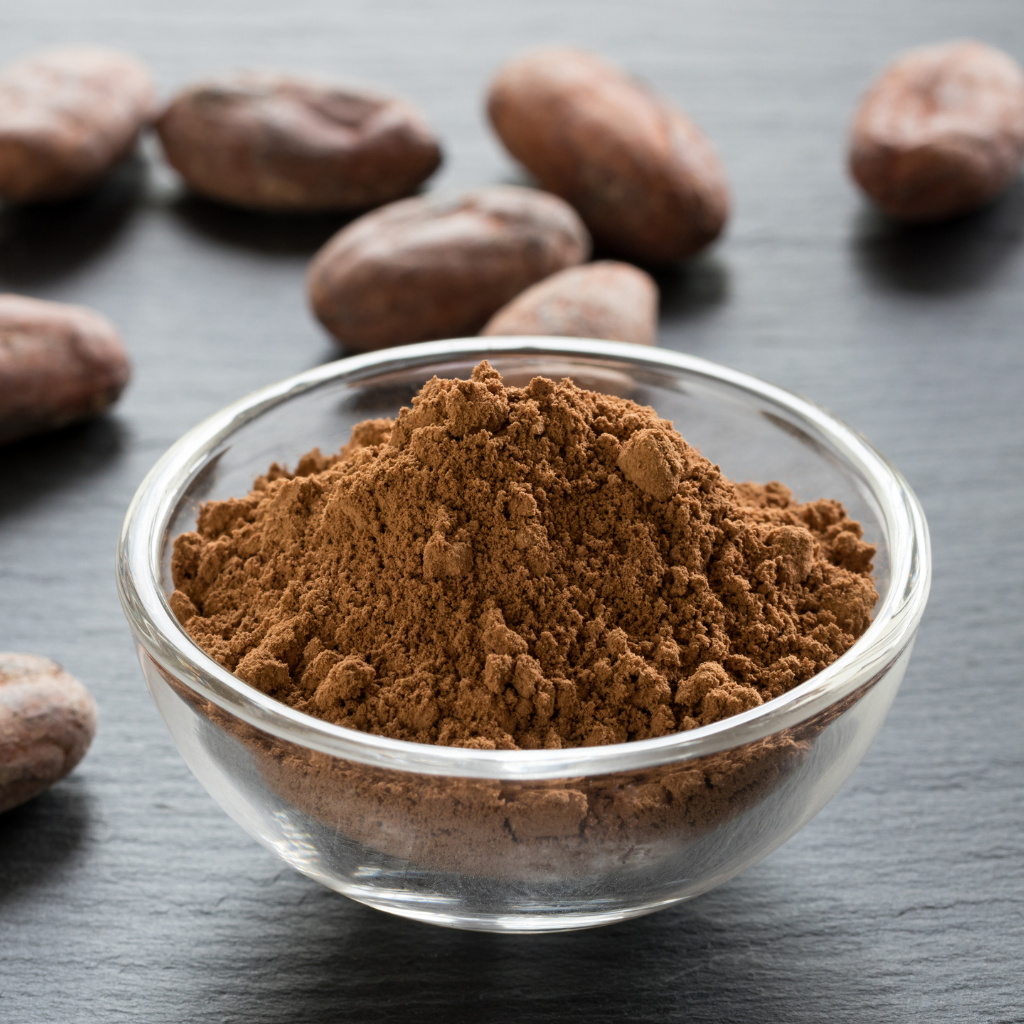
Cocoa powder is produced by grinding roasted cacao beans and de-fattening most of the cocoa butter. It's commonly employed in food production for its taste, color, and antioxidant properties-especially flavonoids, theobromine, and caffeine.
Though these substances are beneficial to human health, they can be harmful-even toxic-to pets, particularly dogs and cats.

Why Cocoa Powder Is Hazardous to Pets
The primary problem with cocoa (and chocolate in general) is its methylxanthine content-specifically:
- Theobromine
- Caffeine
These chemicals excite the heart and nervous system, and animals metabolize them very slowly, which causes toxic build-up.
Toxic Effects in Pets:
- Vomiting and diarrhea
- Rapid heartbeat or arrhythmia
- Hyperactivity and tremors
- Seizures
- In worst cases: death
They are definitely dangerous even in small quantities based on chocolate size, breed, and sensitivity. Dark chocolate and cocoa powder have particularly high levels of theobromine and thus are the most toxic varieties.

Cocoa Powder Price in the Feed and Pet Product Industry
While the prices of cocoa fluctuate worldwide on account of supply chain challenges, political unrest in West Africa (where cocoa is predominantly cultivated), and crop losses in their wake due to climate factors, the mean bulk cocoa powder cost in 2024–2025 was between:
- $3,000 and $5,000 per metric ton for food-grade cocoa
- More for organic or premium types
- Prices jumped more than 40% during early 2024 owing to shortage of supply
This premium price-coupled with its inappropriateness for pet consumption-makes cocoa an expensive and risk-prone ingredient for any manufacturer of pet products.
:strip_icc()/how-much-chocolate-is-toxic-to-dogs-and-cats-3385506-hero-a16999e5badb482ea24375469da80a29.jpg?size=590x0 "Cocoa Powder manufacturer")
Secret Costs of Incorporating Cocoa in Pet Products
Even when cocoa powder is incorporated in small quantities or merely for coloration or marketing attractiveness (e.g., "chocolate-flavored dog treats"), the possible risk significantly outweighs any advantage.
Regulatory and Legal Risks
- Strict regulations by FDA and AAFCO ban harmful ingredients such as cocoa from use in pet food
- Recalls, fines, and legal action result from mislabeling or contamination
- Damage to reputation of pet brands may be irreversible
Quality Control Problems
- Risk of theobromine content being too high
- Consistency of cocoa concentration among suppliers varies
- Need for third-party testing to be certain it's safe-increases cost and complexity
Hazards to Animal Health and Veterinarian Emergencies
- Emergency vet visits are hundreds to thousands of dollars
- Even a trace amount can be dangerous for sensitive pets
- Chocolaty deaths of pets are public and emotional issues

Healthier Alternatives to Cocoa Powder in Pet Food
Fortunately, there are natural, safe alternatives that provide equivalent benefits as a flavoring, coloring, or functional agent-free from the dangers of cocoa.
1. Carob Powder
The most widely used replacement for cocoa in pet treats.
Advantages:
- Naturally sweet and chocolate-flavored
- Lacks caffeine or theobromine
- Rich in fiber, calcium, and antioxidants
- Dog-safe and well-tolerated
- Cost Comparison:
Carob powder is typically cheaper than cocoa, particularly when bought in bulk.
2. Coconut Powder or Flakes
Used to provide creamy texture and natural sweetness to dog and cat treats.
Benefits:
- Safe for pets
- Provides healthy fats (MCTs)
- Hypoallergenic alternative
3. Beetroot Powder
Used to replicate reddish-brown coloring in baked pet treats.
Benefits:
- Natural pigment
- Supports detox and blood health
- Adds fiber and mild sweetness
4. Molasses or Sweet Potato Powder
For flavor enhancement without adding harmful substances.
Benefits:
- Rich in minerals like iron and potassium
- Improves taste and palatability
- Offers natural sugar profile (without stimulating effects)
Why Pet Food Formulators Should Avoid Cocoa
Whether you're a pet brand owner, formulator, or pet bakery, using cocoa-regardless of how small the quantity-is simply not worth the risk.
- There's no functional health benefit to pets
- Regulatory compliance is complicated and risky
- Safer, affordable, and effective substitutes are readily available
- Today's pet owners are very ingredient-savvy and steer clear of anything with chocolate or cocoa
By making the change to carob or natural flavor substitutes, you safeguard both pets and your brand reputation.

Summary: Cocoa Powder vs. Alternatives in Pet Products
| Feature | Cocoa Powder | Carob Powder |
|---|---|---|
| Palatability | High (for humans) | High (for pets) |
| Toxic to Pets | Yes (highly toxic) | No |
| Regulatory Approval | Not approved for pet food | Approved and widely used |
| Cost | $3,000–$5,000/ton | $1,500–$3,000/ton |
| Nutritional Value | Antioxidants (for humans) | Fiber, calcium, antioxidants |
| Risk Factor | Very high | None |

Conclusion: Skip the Cocoa-Go Safe and Smart
In the safety-first, label-conscious pet market of today, there is no room for cocoa powder in animal ingredients. Whether as a result of its potential toxicity, price instability, or regulatory concerns, the dangers outweigh any benefit.
Rather, formulators and brands need to look to carob powder, beetroot, coconut, or sweet potato as healthy, effective, and affordable substitutes. Not only do these offer the chocolate-like appeal, but they also benefit pet health in ways cocoa never could.
When it comes to pets, safety is not an option-and that goes for every ingredient in the dish.
References
ASPCA. (2023). Toxic and Non-Toxic Plants & Substances List.
FDA. (2022). Pet Food Labeling and Ingredient Requirements.
Merck Veterinary Manual. (2022). Chocolate Poisoning in Dogs and Cats.
MarketWatch. (2024). Global Cocoa Powder Market Trends and Forecast.
Nutrition Insight. (2023). Carob as a Functional Ingredient in Animal Nutrition.


