


Blueberry powder has become a high-end natural food supplement in the pet food industry, prized for its rich antioxidant composition and function as a booster of immune function, mental acuity, and skin health. But as pet food, treat, and supplement applications increase, so too does the need to know what really dictates the bulk cost of blueberry powder.
If you're a pet product formulator, buyer, or supplier, this article distills the most important factors influencing the wholesale cost of blueberry powder-so you can make better purchasing and formulation choices without sacrificing quality.

What Is Blueberry Powder and Why Is It Popular in Pet Nutrition?
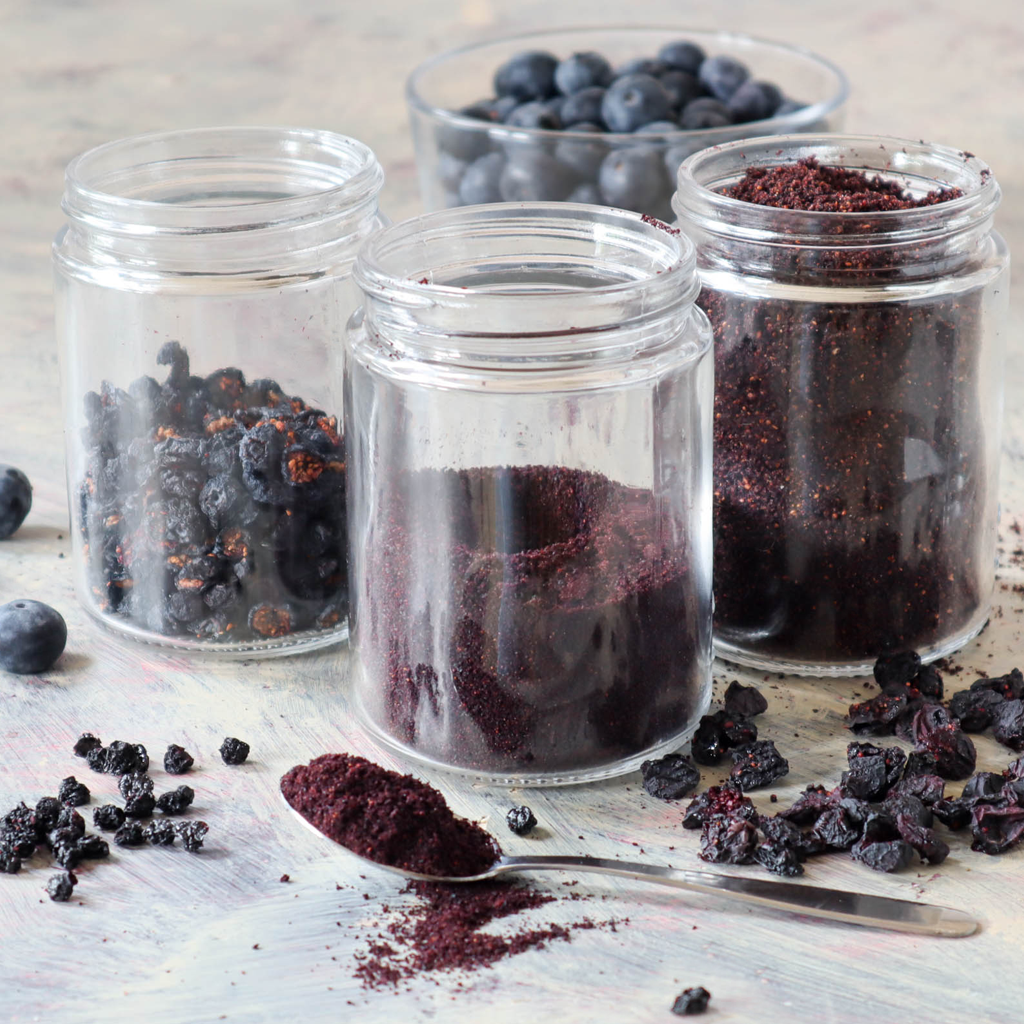
Blueberry powder is produced by freeze-drying or spray-drying whole blueberries and grinding them to a fine, shelf-stable powder. It contains most of the nutrients present in fresh berries, such as:
- Anthocyanins (antioxidants)
- Vitamin C and K
- Dietary fiber
- Manganese
- Natural polyphenols
In pet foods, blueberry powder is generally added for its:
- Immune system function
- Cognitive and brain function effects
- Skin and coat health
- Anti-inflammatory effect
Pet owners more and more look for natural superfoods in their pet's diet, and blueberries provide both nutritional and marketing value.

What Affects Blueberry Powder Bulk Price?
Blueberry powder bulk price for pet applications (as of 2025) normally falls between $15 and $50 per kilogram and depends on a number of variables. Listed below are the key factors that affect its price:
1. Processing Method: Freeze-Dried vs. Spray-Dried
| Processing Type | Description | Effect on Price |
|---|---|---|
| Freeze-dried | Retains maximum nutrients, color, and flavor; longer shelf life | More expensive (premium grade) |
| Spray-dried | More economical, may include carriers like maltodextrin | Less expensive, lower antioxidant retention |
Freeze-dried blueberry powder commands a higher price due to superior nutrient retention, making it ideal for high-quality pet food and supplements.
2. Berry Source and Quality
The origin and quality of the raw blueberries play a significant role. Blueberries sourced from:
- North America (particularly Canadian and US wild blueberries) are smaller with higher anthocyanin content
- Europe and Eastern Europe can provide more reasonably priced berries
- China has become a significant producer of cheaper blueberry powders
Organic blueberries or non-GMO, pesticide-free berries increase the price due to more stringent agricultural and certification processes.
3. Seasonal Harvest and Supply Chain Volatility
Blueberries, like most fruits, are seasonal. Seasonal fluctuations due to:
- Climate change
- Drought or frost
- Labor shortages
can affect the price and availability of raw berries, which in turn influences powder prices.
Prices may surge by 30%–50% in bad harvest seasons. Seasonal buyers should expect price volatility during Q3 and Q4.
4. Concentration and Purity Level
Not all blueberry powders are the same. Types include:
- Whole fruit powders (complete blueberry, ground after drying)
- Extract powders (standardized to a specific % of anthocyanins)
- Powders mixed with carriers (such as maltodextrin or rice flour)
More purified (e.g., >25% anthocyanins) or concentrated extracts are more expensive but provide stronger antioxidant protection per gram-best for targeted health products.
5. Bulk Quantity and Order Volume
As with most products, cost varies with quantity purchased:
| Quantity Ordered | Typical Price (Per kg) |
|---|---|
| 1–5 kg | $30–$50 (retail/small-scale) |
| 20–100 kg | $20–$35 (bulk) |
| 500 kg+ | $15–$25 (wholesale contract) |
Increased order quantities, particularly long-term agreements, reduce the cost dramatically. Contract prices from repeat suppliers tend to have logistics discounts and priority access to inventories.
6. Organic Certification and Food Safety Standards
Organic certified blueberry powder typically costs 15–30% more than conventional because of:
- Organic inputs used in farming
- No use of synthetic pesticides or herbicides
- Extra testing and certifications
In addition, pet food-grade blueberry powder needs to comply with safety requirements such as:
- Microbial limits
- Heavy metal analysis
- Pesticide residue clearance
These tests increase production expenses but are unavoidable for pet health and regulatory purposes.
7. Import Tariffs and Shipping Fees
To buyers who source across borders, expenditures might involve:
- Import tariffs
- Fees for customs clearance
- Air or sea freight
- Cold chain logistics (particularly for freeze-dried items)
Examples include the U.S. tariffs imposed on some agricultural Chinese imports, which can add 10–25% to raw material prices. Increasingly expensive global freight prices also affect landed costs.
8. Shelf Life and Packaging Specifications
Powders with a longer shelf life (typically 12–24 months) need:
- High-barrier packaging
- Oxygen absorbers or desiccants
- UV-protected containers
These packaging materials add to the total cost per kilogram but are essential for maintaining potency, particularly in warm or humid climates.
Why Bulk Buyers Choose Blueberry Powder Despite Higher Prices
Although more costly than other fruit powders (e.g., apple, banana), blueberry powder provides greater health and marketing advantages, including:
- Natural antioxidant boost: Maintains immune and cognitive wellness
- Visual appeal: Natural coloring for pet treats or meals
- Clean-label formulation: No artificial flavorings or colorings necessary
- Functional synergy: Complements probiotics, omega-3s, glucosamine
For higher-end or therapeutic pet food companies, the ROI of using blueberry powder-in terms of health benefits and customer loyalty-warrants the added ingredient expense.

Cost-Saving Tips When Sourcing Blueberry Powder in Bulk
- Cooperate with established suppliers that provide COAs, food safety certifications, and blended versions to your specifications
- Opt for spray-dried or partly de-fruited powders if the requirement of high antioxidant levels is not essential
- Blend with other fruit powders for low-cost mixtures (e.g., blueberry-cranberry)
- Lock prices in long-term contracts for the off-season shortages
- Look for local or regional suppliers to avoid shipping and customs charges

Last Words
Knowing what influences the bulk cost of blueberry powder makes you a more savvy buyer when developing or procuring pet nutritionals. From processing type and berry origin to supply chain dynamics and certification status, each factor contributes to final price.
While blueberry powder is a premium ingredient, its health benefits, clean-label appeal, and functional versatility make it worth the investment-especially for brands focused on quality, wellness, and consumer trust.
References
USDA ERS. (2024). Fruit and Tree Nut Outlook Report.
Aspinall, R. (2023). "Anthocyanins and Their Role in Pet Nutrition." Pet Food Science Journal.
Grand View Research. (2023). "Pet Supplements Market Analysis by Ingredient."
MarketWatch. (2024). "Blueberry Powder Market Trends and Pricing Forecast."
AAFCO Official Publication (2025). Pet Food Ingredient Guidelines.


