


It has been termed the "king of antioxidants," and the demand for it in the market has surged over the years for human health, animal nutrition, and aquaculture alike. From enhancing immunity to improving growth performance, this red carotenoid pigment has been promoted in many ways as a natural powerhouse supplement.
But the real question is:
Does astaxanthin actually work-or is it just another health trend?
The answer is yes, astaxanthin does work, and its efficacy underpins not just scientific research but real-life application across multiple species. But for its proper use and realism, one has to understand how it works, what it does, and when it is effective.
What is Astaxanthin?
Astaxanthin is a member of the carotenoid family of pigments, occurring naturally in microalgae, seafood, and higher plants. It gives salmon, shrimp, and even flamingos their pink-red color.
Its structure gives astaxanthin a unique capability, unlike most other antioxidants, to cross cell membranes, thus protecting cells from inside and outside simultaneously. This, in turn, makes it more stable and biologically powerful compared with most common dietary antioxidants, like vitamins C and E.

How Astaxanthin Works in the Body
Astaxanthin acts at the level of cellular:
1. Neutralizing Free Radicals
Free radicals are unstable oxygen molecules that can cause cell, DNA, and tissue damage. Astaxanthin works by binding these free radicals and neutralizing them before they can cause further damage.
2. Protection of the Cell Membrane
Whereas most antioxidants protect only one side of the cell membrane, astaxanthin protects both inner and outer layers, hence strengthening the integrity of the cell.
3. Inflammation reduction
Chronic inflammation leads to diseases, slow growth, poor immunity, and damages organs. Astaxanthin lessens inflammatory markers in the whole body and hence eases stress on tissues.
4. Supporting Energy Production
Astaxanthin increases mitochondrial efficiency, thus allowing the cells to generate energy with increased efficiency. The resultant effects are improved growth and stamina, with reduced fatigue.
_1752079445628.webp?size=431x0 "Astaxanthin manufacturer")
Does Astaxanthin Really Improve Health?
1. Immune System Support
Yes, Astaxanthin enhances the immune response by:
- Enhancing the activity of immune cells
- Reduced oxidative stress to the organs
- Reduces disease susceptibility
Animals and humans who have been supplemented with astaxanthin are more resistant to infection and recover from illness much faster.
2. Improvement of Skin, Feather and Coat
Astaxanthin protects skin cells against UV damage and oxidative aging. It has further resulted in the following in animals:
- Healthier feathers and coat
- Improved pigmentation
- Reduced skin inflammation
3. Growth Performance and Efficiency
In livestock, poultry, and aquaculture:
- Feed conversion rate improves.
- Weight gain increases
- Survival rate improves
- Tolerance to stress increased.
Astaxanthin contributes to better digestion and, consequently, faster physical development.
4. Heart and Circulation Support
- Astaxanthin helps
- Increased blood flow
- Reduce fat oxidation.
- Support healthy cholesterol levels
- Protect blood vessels
This makes it useful to the overall performance of the cardiovascular.
5. Brain and Eye Health
Astaxanthin crosses the blood-brain barrier to support the cells of the brain and nerves. It protects eye tissue from light damage and oxidative aging.
6. Fertility and Reproductive Health
Astaxanthin supports:
- Quality of eggs in poultry
- Sperm health in breeding animals
- Hormonal balance
Astaxanthin has been shown to have better results in animals with reproductive stress.
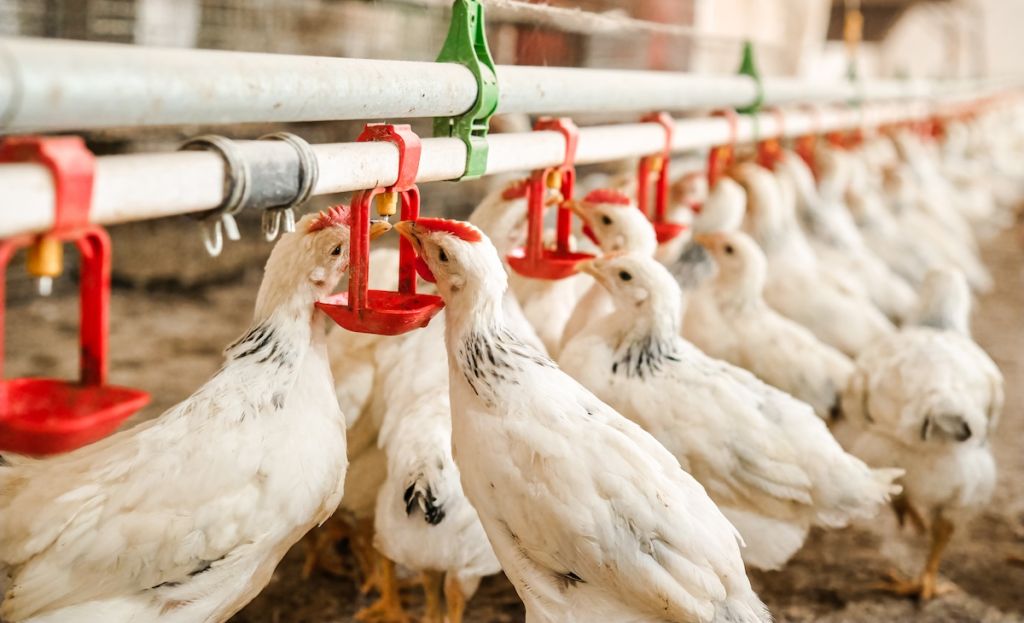
Does Astaxanthin work better than other antioxidants?
Yes, many ways.
Compared to common antioxidants:
| Antioxidant | Stability | Cell Protection | Fat-Soluble | Oxidation Resistance |
|---|---|---|---|---|
| Vitamin C | Low | Limited | No | Weak |
| Vitamin E | Medium | Partial | Yes | Moderate |
| Beta-Carotene | Low | Limited | Yes | Weak |
| Astaxanthin | Very High | Full Coverage | Yes | Very Strong |
Astaxanthin is further unique because it never becomes a pro-oxidant-a harmful form some antioxidants convert into once they have neutralized free radicals.
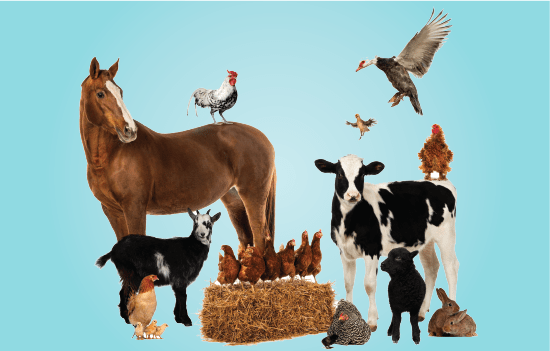
Does Astaxanthin Work in Animals?
Yes, astaxanthin is effective in:
Poultry
- Increased egg production
- Improved yolk color
- Reduced damage from heat stress.
- Improved immunity
Aquaculture
- Hyper-pigmentation in fish and shrimp
- Improved disease resistance
- Quicker expansion
- Better survival rate
Livestock and Pets
- Reduced inflammation of the joints
- Improved coat and skin health
- Improved Immunity
- Better ageing support

When Astaxanthin Does NOT Work Well
Astaxanthin is potent but not magic. It may show limited effects if:
- Dosage too small
- Product purity is poor.
- Diet is very unbalanced.
- The environmental stress is extreme.
- Feeding time is too short.
Consistency and quality are what yield visible results.

Is Astaxanthin Safe?
Yes. Astaxanthin is:
- Non-toxic
- Safe for long-term use
- Naturally derived
- Residue-free
- Suitable for all animals with proper dosing
Even at higher doses, astaxanthin shows no serious side effects when properly formulated.

Does Astaxanthin Work Immediately?
Not instantly.
Most visible benefits appear within:
- 7–14 days: Immune and antioxidant response
- 2–4 weeks: Growth and skin improvements
- 4–8 weeks: Pigmentation and performance results
Astaxanthin works best when used continuously as part of a balanced nutrition program.
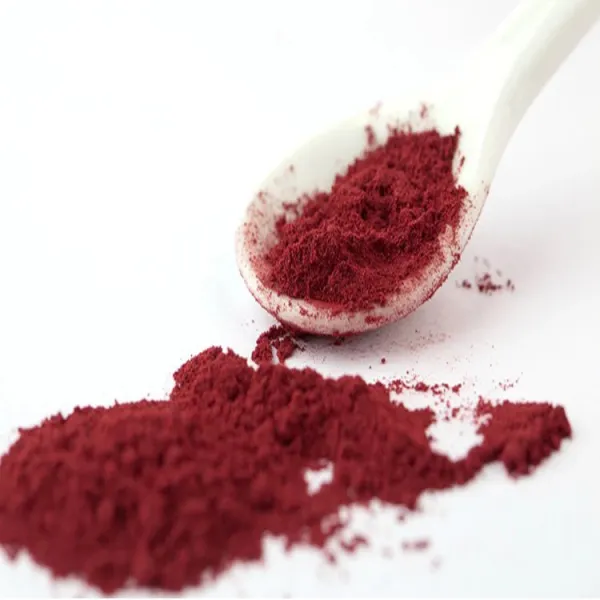
Final Answer: Does Astaxanthin Work?
Yes, astaxanthin works-and it works extremely well when used right. It is among the most potent antioxidants available from nature. Its benefits to immunity, performance, aging, stress resistance, and overall health are real and well-supported. Whether utilized in animals or humans, astaxanthin confers real physiological benefits, not just marketing hype.


