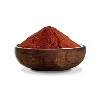
The answer is yes-it is safe, natural, and beneficial. In fact, astaxanthin is not just a coloring agent; it is an essential antioxidant that plays a major role in salmon health and nutritional value. Whether in wild-caught or farmed salmon, astaxanthin is a normal and important part of the fish's biology.
This article explains what astaxanthin is, why salmon contain it, how it gets into farmed fish, and whether there are any safety concerns.
What is astaxanthin?
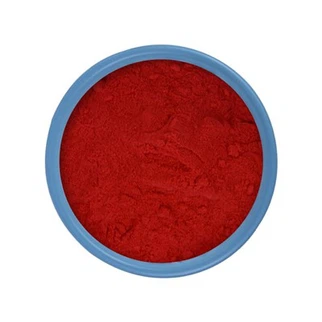
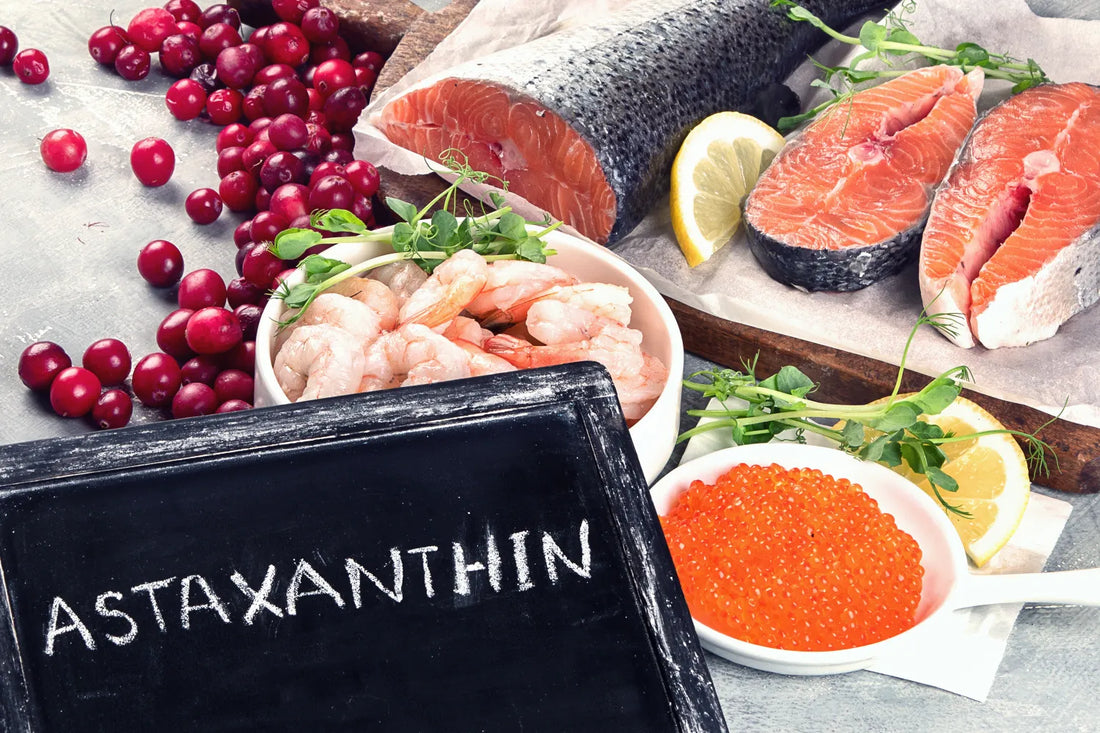
Astaxanthin is a red carotenoid pigment naturally produced by microalgae. In the ocean, this pigment moves up the food chain:
microalgae → plankton → krill & shrimp → salmon
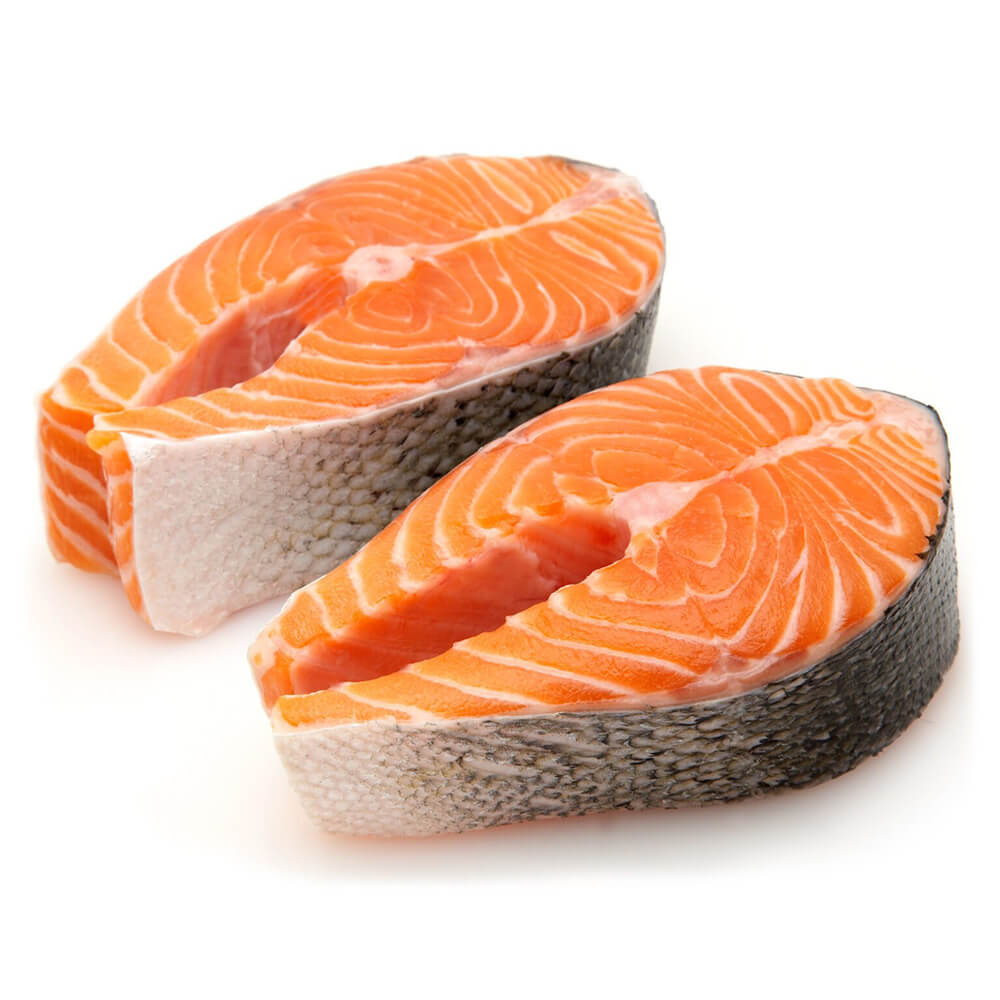
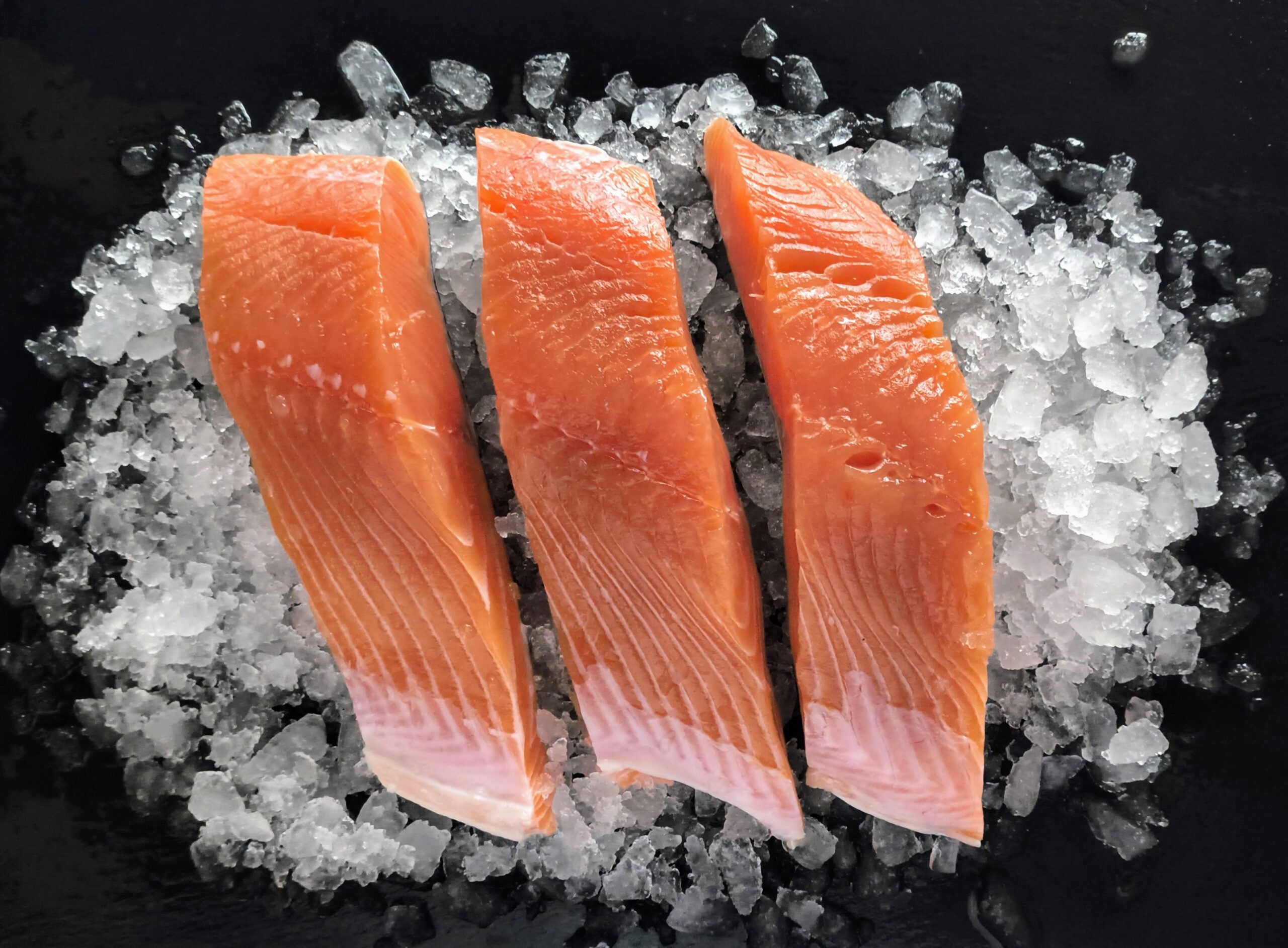
Wild salmon eat crustaceans that feed on algae, which is why their flesh becomes pink or red.
Without astaxanthin, salmon meat would be pale gray or white. Astaxanthin does not just color the flesh-it supports salmon's immune system, reproduction, and survival.

Why is astaxanthin mixed into farmed salmon feed?
Farmed salmon do not eat krill and shrimp like wild fish. Instead, astaxanthin is added to their feed to replicate the natural pigment source.
This practice:
- Forms the expected pink color of consumer recognition
- Improves health and tolerance to stress in fish.
- Supports normal reproductive function
- Boosts immune health
In no way is it cosmetic; rather, it is an indispensable nutritional supplementation.

Is astaxanthin natural or artificially added into salmon?
Astaxanthin may be:
- Naturally derived from microalgae
- Extracted from yeast or crustacean shells
- Artificially synthesized for aquaculture purposes.
All forms used in aquaculture are regulated and approved for safety. Natural astaxanthin (from microalgae) is chemically identical to the form found in wild salmon.

Is Astaxanthin safe for human use?
Yes, generally astaxanthin is considered harmless, even beneficial.
Authorities monitor astaxanthin levels in fish feed within many countries and include:
- Strict inclusion limits
- Quality controls
- Safety assessments
- Continuous monitoring
Decades of use in aquaculture feeding have not raised credible evidence for Astaxanthin causing harm to humans.

Isn't Astaxanthin just a colourant?
No. By some consumers, astaxanthin is mistakenly referred to as a "dye." Actually, it is:
- a biological antioxidant
- A vitamin-like compound
- A natural nutrient
- A health-supporting pigment
Unlike artificial dyes, astaxanthin:
- Does have nutritional and health benefits.
- Natural occurrence in the food chain
- Supports cellular health
- Fat-soluble, bioavailable

Astaxanthin in Salmon Health Benefits to Humans
Astaxanthin-rich salmon is much more than a source of protein or omega-3s.
1. Antioxidant Protection
Astaxanthin neutralizes harmful free radicals in the body.
2. Anti-Inflammatory Effects
It reduces inflammation related to joint pain, heart disease, and skin aging.
3. Protection to the Eyes and Brain
It mediates normal vision and nerve cells.
4. Cardiovascular Health
Astaxanthin:
- Stimulates circulation
- Reduces oxidative stress in the arteries.
- Healthy Cholesterol supporter
5. Skin Care
It protects the skin from UV damage and dryness.
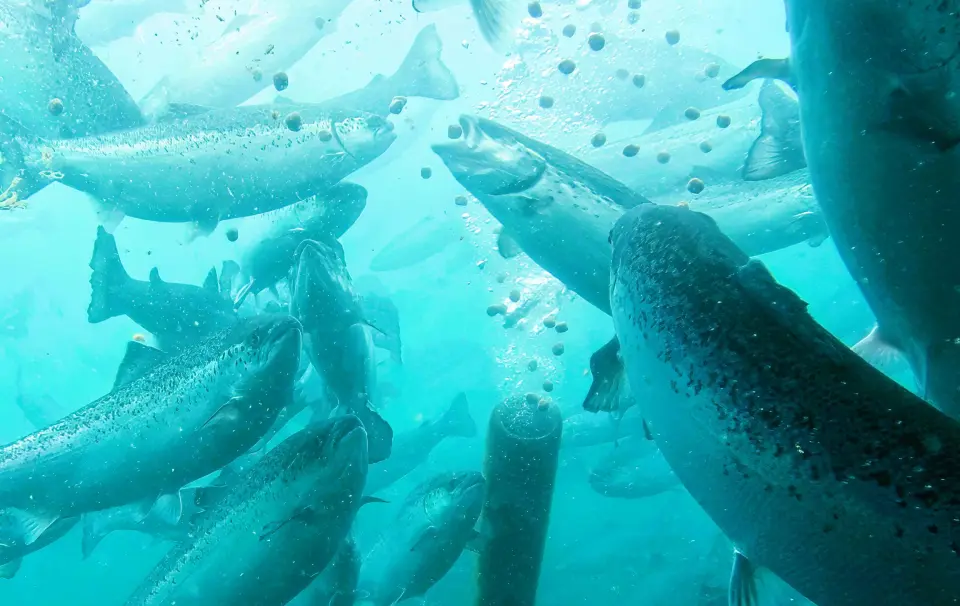
Is There Any Risk from Astaxanthin in Salmon?
The risks to consumers are very low.
Astaxanthin is
- Non-toxic at dietary levels
- Not known to accumulate dangerously
- Used worldwide for decades
- Food cleared by authorities
The only noticeable effect at very high doses may be slight skin coloration changes, which is not harmful.
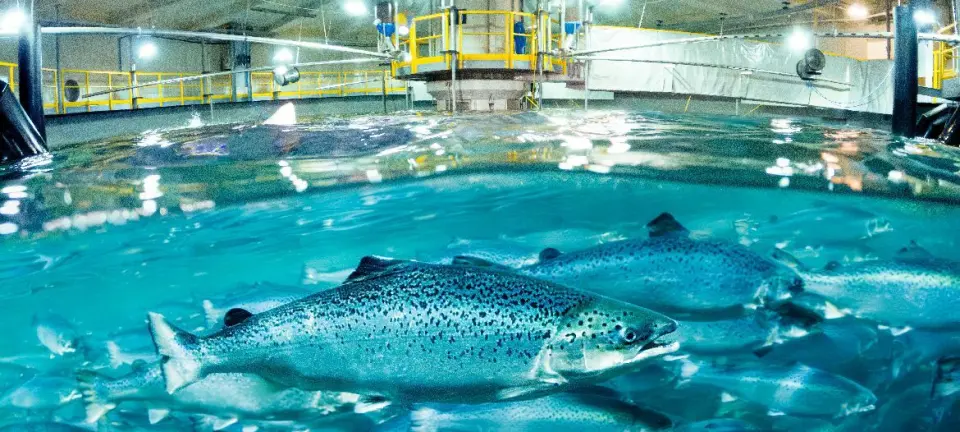
Does Astaxanthin Make Farmed Salmon Less Safe?
No. Farmed salmon containing regulated astaxanthin is just as safe to eat as wild salmon.
The difference:
- Astaxanthin is acquired through diet by the wild salmon.
- Farmed salmon get their supply through feed.
- In tissue, the end product is the same molecule.
Does Higher Red Color Mean More Chemical?
Not necessarily. Color intensity depends on species, feed formulation, and storage-not chemical level.
Color is not a function of safety.
Is It Safe for Children and Pregnant Women?
Yes. Astaxanthin in food-level amounts is safe for all age groups when consumed through fish and seafood.
It is a naturally occurring drug, not synthetic.
Overview So,
is astaxanthin from salmon safe? Yes, it's safe. Checks out; it is natural. Correct. Yes, it is healthy. Condoms: Yes, it is regulated. Astaxanthin is not a harmful additive-it is an essential nutrient that gives salmon its natural color and delivers health benefits to humans who eat it.