


Aquaculture is the fastest-growing food production sector worldwide, accounting for more than half of global fish consumption. As demand continues to rise for quality fish, fish farmers are forced to improve growth, health, survival, and product quality and make it sustainable. Astaxanthin powder, a natural product that has grown in popularity, is a highly efficient carotenoid pigment and antioxidant that is derived from microalgae (e.g., Haematococcus pluvialis) or yeast (Phaffia rhodozyma).
Astaxanthin powder is utilized by aquaculture farmers aside from its coloring ability since it plays important functions in growth performance, immunity, stress tolerance, reproduction, and general fish health. This blog delves into why astaxanthin powder is now a need in contemporary aquaculture.
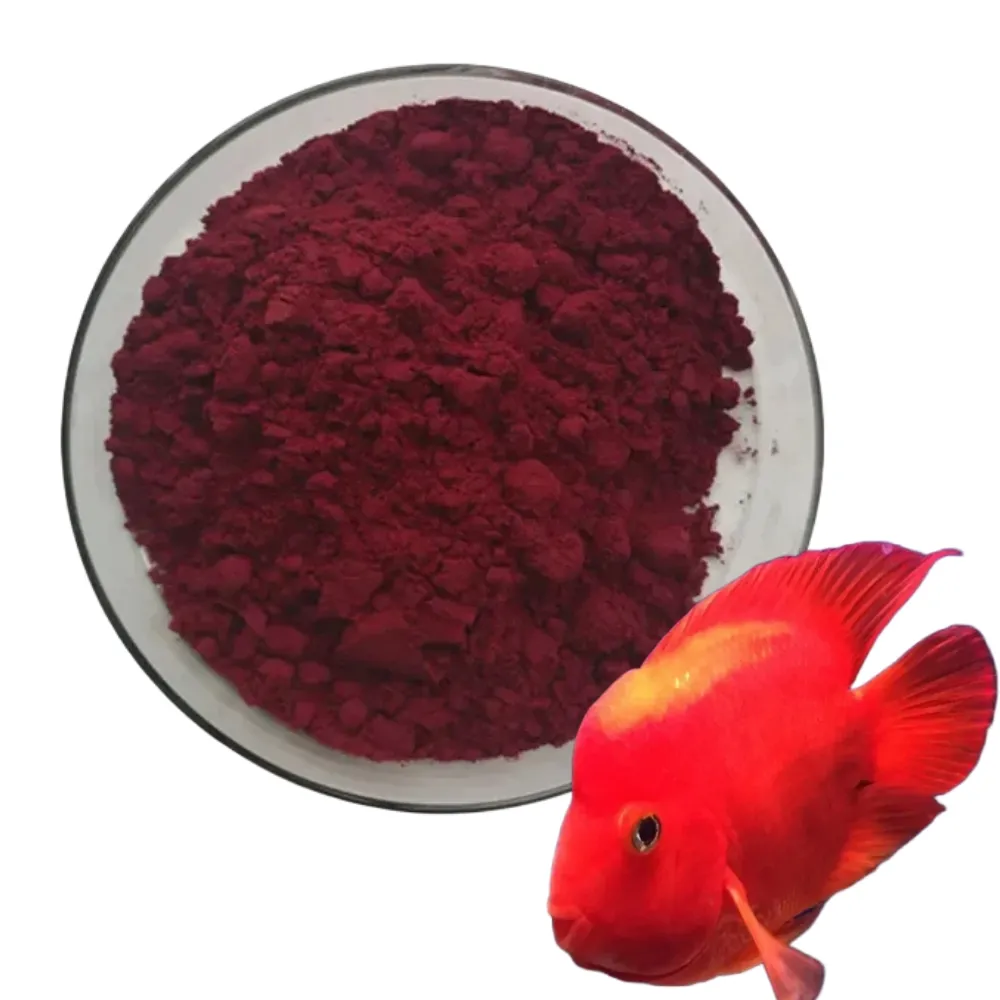
What Is Astaxanthin Powder?
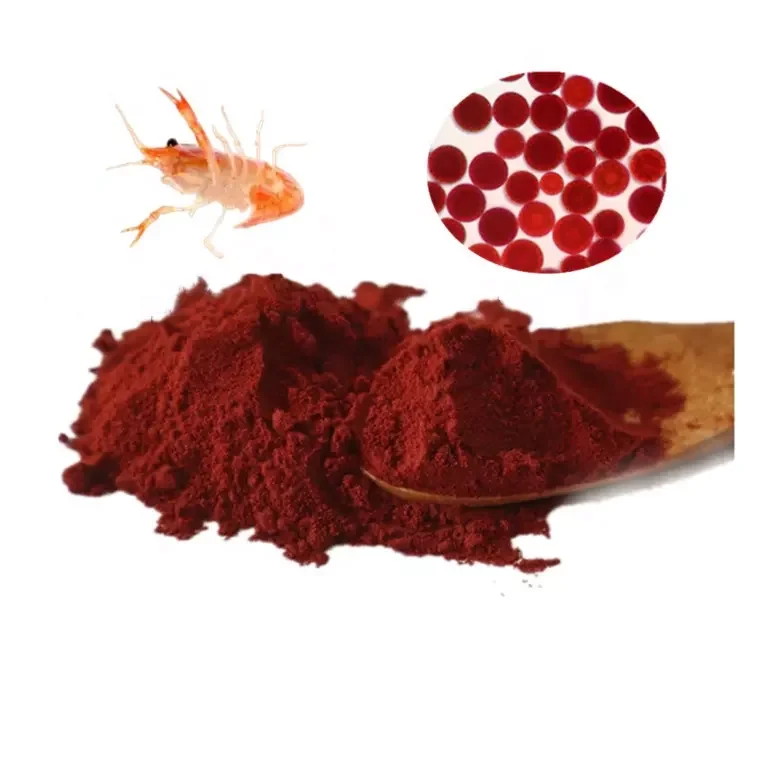
Astaxanthin is red-orange natural color in natural foods in salmon, shrimp, lobster, and krill. Astaxanthin powder is used in fish feed in aquaculture for stability and precise dosing.
Natural astaxanthin, in contrast to synthetic colorants, possesses high free radical activity, which protects cells from oxidative injury, relevant in the high-oxygen, stressful aquatic ecosystem domesticated fish live in.

Enhancing Fish Color and Market Worth
One of the most obvious applications for which fish farmers utilize astaxanthin powder is to improve the coloration of the flesh and skin of the fish. Salmon and trout, for instance, are wanted by consumers since the fillet of these is pinkish or reddish in color. Farmed salmon would otherwise be of white flesh and thereby less valuable without astaxanthin supplementation.
Astaxanthin is deposited into the muscle tissue, imparting fish a natural, healthy color that both improves their appearance and enhances consumer confidence and product value.
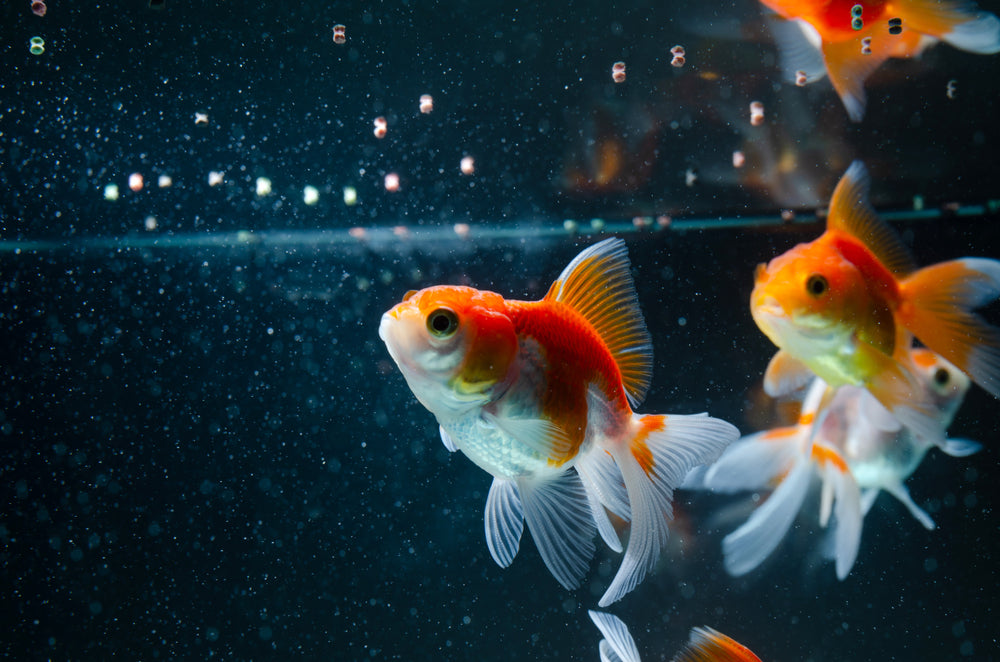
Improved Fish Growth and Feed Utilization
Apart from color, growth is improved. Studies show that astaxanthin powder-supplemented fish have:
- Improved feed conversion ratios (FCRs), or more efficiently utilizing the nutrients they consume.
- Greater weight gain over control groups with no supplementation.
The antioxidant activity of astaxanthin reduces metabolic stress and allows more energy for growth as opposed to the repair of oxidative injury.

Immune System Activation and Resistance to Disease
Aquaculture fishes are subject to various stresses including overcrowding, changes in water quality, and diseases. Astaxanthin increases immune potential capacity and resistance to disease in fish against bacterial, viral, and parasitic disease.
It stimulates immune cells such as macrophages and lymphocytes.
Increases antibody and other immune protein production.
Antioxidative defense against oxidative stress in immunity is protected by this.
This immunosupport lowers mortality, and this is crucial in aquaculture profitability.

Improvement of Stress Resistance and Survival Rate
Stress is the most critical element that can affect fish performance in aquaculture. Handling stress, transport stress, and environmental stress can all downregulate fish immunity and reduce survival.
Astaxanthin also plays a cell membrane-stabilizing and antioxidant function and assists the fish in enduring stress more efficiently by:
- Reducing the level of cortisol (stress hormone).
- Inhibiting oxidation of brain and muscle tissue.
- Increasing stamina for swimming and oxygen metabolism.
All of these functions ensure increased survival and improved stocks.

Broodstock and Fry Reproductive Health
Astaxanthin should also find a place in broodstock diets. Supplementation with astaxanthin has been proved through scientific research to:
- Improve egg quality and fertility.
- Improve survival rate of larvae.
- Supports normal fry and juvenile fish development.
It is thus especially critical in hatcheries and breeding programmes where healthy reproductive potential forms part of the future harvest.

Antioxidant Protection against Fish Disease
Oxidative stress is rampant in aquaculture through high oxygen, high-intensity feeding, and toxin consumption. All natural carotenoids are antioxidants, but astaxanthin is the strongest one, far superior to beta-carotene and vitamin E.
By eliminating free radicals, astaxanthin protects against:
- Muscle tissue (anticipation of oxidative rancidity).
- Eyes and vision.
- Nervous system well-being.
General protection preserves long-term function and well-being in aquaculture animals.

Consumer Choice and Sustainability
As consumers increasingly seek more sustainable catch fish, naturally caught items like astaxanthin powder are increasingly relevant. Natural astaxanthin from microalgae is eco-friendly and reusable for environmentally friendly aquaculture farming.
Astaxanthin supplementation also improves fish welfare, reduces antibiotic reliance (through improved immunity), and maximizes end-product quality, according to the goals of sustainable aquaculture development.
Conclusion
Astaxanthin powder is utilized by aquaculture farmers not only for coloration but also due to the fact that it triggers growth, immunity, stress resistance, reproductive viability, and general wellness in aquatic animals. Its antioxidant capacity makes it the central ingredient in the feed of fair and sustainable aquaculture farms.
As the production of aquaculture rises, astaxanthin will be a foundation ingredient that improves fish well-being, boosts farmer profitability, and improves the healthiness and taste of seafood for consumers.
References
Ambati, R. R., Moi, P. S., Ravi, S., & Aswathanarayana, R. G. (2014). Astaxanthin: sources, extraction, stability, biological activities and its commercial applications-a review. Marine Drugs, 12(1), 128–152. https://doi.org/10.3390/md12010128
Hussein, G., Sankawa, U., Goto, H., Matsumoto, K., & Watanabe, H. (2006). Astaxanthin, a carotenoid with potential in human health and nutrition. Journal of Natural Products, 69(3), 443–449. https://doi.org/10.1021/np050354+
Yoshida, H., Yanai, H., Ito, K., Tomono, Y., Koikeda, T., Tsukahara, H., & Tada, N. (2003). Administration of natural astaxanthin increases serum HDL-cholesterol and adiponectin in subjects with mild hyperlipidemia. Atherosclerosis, 180(1), 189–197. https://doi.org/10.1016/S0021-9150(03)00068-4
Liu, X., Osawa, T. (2007). Astaxanthin protects neuronal cells against oxidative damage and is a potent candidate for brain food. Journal of Agricultural and Food Chemistry, 55(25), 9750–9756. https://doi.org/10.1021/jf071646f
Tiwari, B., Singh, S., & Shukla, P. (2019). Microbial biotechnology for carotenoids production: current trends and future prospects. Critical Reviews in Biotechnology, 39(6), 665–678. https://doi.org/10.1080/07388551.2019.1576025


