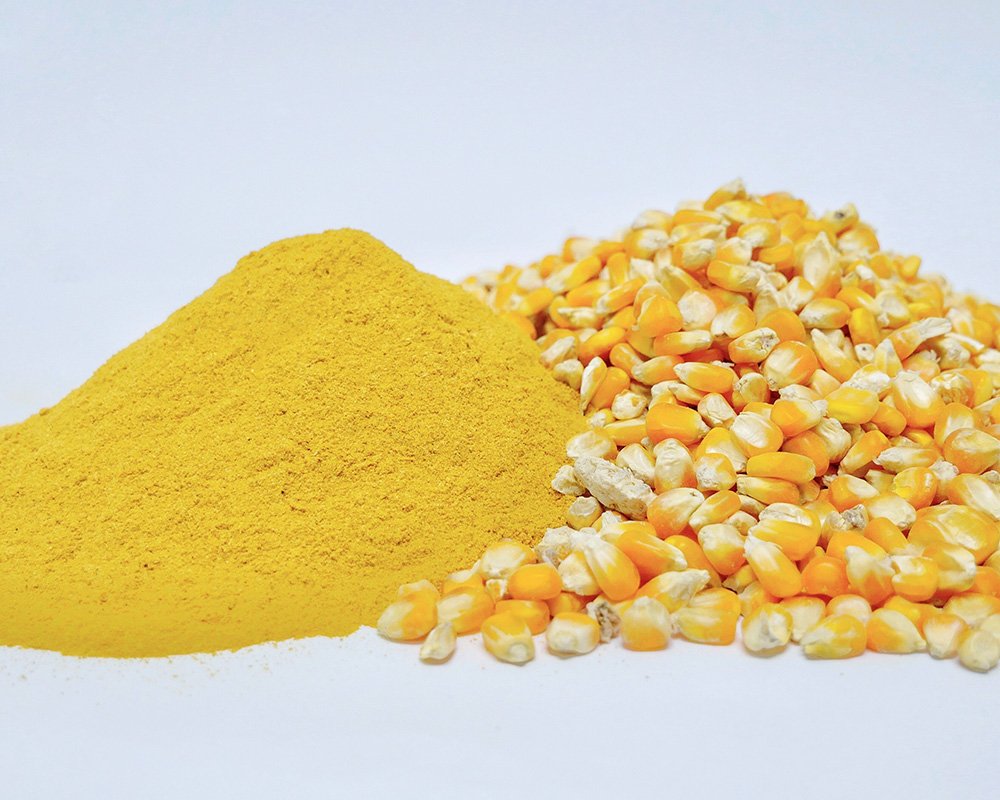
Corn Gluten Meal (CGM) Powder is an all-star pet food ingredient, sought-after for its protein level, palatability, and utility in formulation. As a by-product of wet milling corn, CGM is not technically "gluten" like that derived from wheat-it's a highly concentrated protein product that is critical to contributing nutritional and functional benefit to pet foods.
In this article, we'll explore how corn gluten meal supports pet nutrition, focusing on its composition, digestibility, benefits, potential concerns, and role in both dog and cat food.

What Is Corn Gluten Meal Powder?
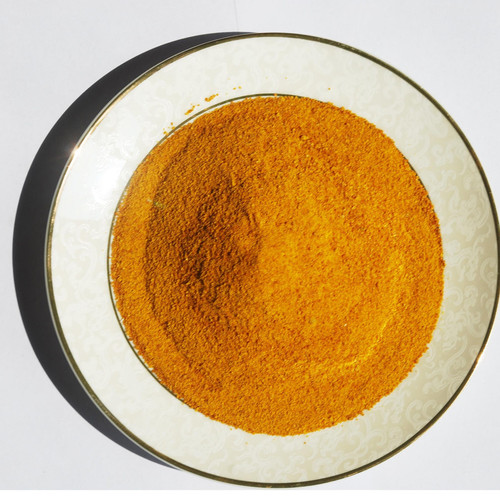
Corn gluten meal is a corn processing byproduct during corn starch and corn syrup production. It is dried residue left behind after the extraction of the bran, germ, and starch. Although the nomenclature can be confusing, CGM doesn't contain wheat's gluten protein, which also occurs in barley and rye. It's therefore appropriate for wheat-sensitive pets.
Generally, CGM has about 60% protein, making it a protein-rich plant feedstuff. It is also an amino acid source, although not a complete source like animal protein. It is also rich in carotenoids such as lutein and zeaxanthin, which could be beneficial for the eye health of animals.

Nutritional Profile of Corn Gluten Meal
The worth of corn gluten meal lies in its nutritional content:
- Crude Protein: ~60%
- Fat: ~2%
- Fiber: <1%
- Moisture: <10%
- Metabolizable Energy: High (around 3,800 kcal/kg)
It is worth mentioning that CGM lacks lysine and tryptophan-vital amino acids that need to be supplemented from other sources within the diet. However, it supplements animal protein sources when appropriately utilized in pet food formulations.
Advantages of Corn Gluten Meal Powder in Pet Nutrition
1. High-Quality Protein Source
One of the principal benefits of corn gluten meal is that it is a source of protein. Protein is critical to the building of muscles, the repair of tissue, enzymes, and for the immune system. CGM provides a highly concentrated source of vegetable protein, particularly beneficial in dry pet diets where protein density is key.
Although CGM is an incomplete protein, having it combined with animal proteins (such as chicken or fish) will balance amino acid profiles and fill pets' nutritional requirements.
2. Highly Digestible Energy Source
Corn gluten meal is very digestible, offering pets energy that can be easily metabolized. The Pet Food Institute suggests that digestibility is an important measure in assessing protein quality, and CGM fares well in this when manufactured properly.
Its rich energy value helps support active pets, growing animals, and even performance dogs in need of energy-dense diets.
3. Palatability and Texture Enhancement
CGM enhances the texture and consistency of kibble and wet food. It is good at binding and helps create a pleasing appearance, aroma, and mouthfeel that stimulates pets to eat. Producers frequently depend on CGM to enhance palatability in formulas, especially for finicky cats.
4. Maintains Eye and Skin Health
Corn gluten meal naturally contains lutein and zeaxanthin, two carotenoids with characteristics that ensure good eye health. According to a 2016 study on Veterinary Ophthalmology, carotenoids ensure retinal function and can lower the risk of age-related ocular degeneration in dogs.
The protein within CGM also ensures healthy skin and coat when incorporated in well-balanced formulations with vitamins and essential fatty acids.
5. Economical Nutritional Ingredient
In pet food commercialization, cost and nutrition need to be balanced. CGM offers an economical means of increasing protein content without having to depend on higher-cost animal proteins. It is thus a useful ingredient in low-cost and high-end pet foods as well.

Uses in Pet Food Formulations
Corn gluten meal finds application in dry kibble and wet/canned dog and cat foods. It is especially prized in:
- High-protein adult maintenance formulas
- Puppy and kitten growth formulas (combined with other protein sources)
- Senior pet foods, where digestibility is paramount
- Limited-ingredient diets that exclude common allergens
It is also applied in aquaculture feed and livestock nutrition, but its application in pet food is especially sophisticated because of the unique amino acid and nutrient needs of companion animals.
Corn and corn gluten meal are common ingredients in commercial dog food. While sometimes misunderstood, they serve specific nutritional and functional purposes in balanced formulations.
What Is Corn Gluten Meal?
Corn gluten meal is a high-protein by-product of corn processing. After the starch is removed from corn, the remaining protein-rich portion is dried and ground into a concentrated meal. It typically contains around 60% protein, making it a plant-based protein source in pet food.
Benefits in Dog Food
1. Protein Contribution
Corn gluten meal provides digestible plant protein that helps support muscle maintenance and overall growth when combined with animal proteins.
2. Energy Source
Whole corn supplies carbohydrates that provide energy for active dogs.
3. Skin & Coat Support
Corn contains linoleic acid (an omega-6 fatty acid), which supports healthy skin and coat condition.
4. Cost-Effective & Consistent
It helps create stable, affordable formulations without sacrificing nutrient balance when properly formulated.
Common Concerns
Some believe corn causes allergies, but true corn allergies in dogs are relatively uncommon. As with any ingredient, quality sourcing and proper formulation are key. When included in balanced amounts, corn and corn gluten meal can be safe, nutritious components of dog food.
Considerations and Potential Drawbacks
1. Incomplete Amino Acid Profile
Corn gluten meal is devoid of some necessary amino acids such as lysine and tryptophan. Thus, it cannot be used as the only protein source in pet food. Pet food recipes need to be balanced using other protein sources such as meat meals, hydrolysates, or eggs.
2. Viewed as a Filler by Some Consumers
Although it is nutritious, CGM has occasionally been faulted by pet owners who view it as a "filler" or lower protein. This misperception is the result of an incorrect perception of plant-based protein sources. While it's true that CGM does not substitute for meat proteins, as an ingredient in the right context, it has merit in nutritional and economic formulation.
3. Allergy Considerations
Corn is a recognized allergen in certain pets, but actual food allergies to corn are not very common. If a pet has a proven corn allergy, CGM must be avoided. But for the overwhelming majority of pets, CGM is not an allergenic risk.
Is Corn Gluten Meal Safe for Dogs and Cats?
Yes, corn gluten meal is safe and has been approved by regulatory agencies like the AAFCO (Association of American Feed Control Officials) and the FDA. Provided that it is used in nutritionally balanced preparations, it does no harm to cats or dogs.
Prescription and maintenance diets include CGM, as veterinarians and pet nutritionists often do, particularly when designing for energy requirements, palatability, and dietary restrictions.

The Use of Corn Gluten Meal in Specialty Pet Diets
CGM can also be useful in the formulation of:
- Weight management diets, where high protein and low fat are desirable.
- Food elimination trials, employing CGM as a non-animal protein to screen for allergies.
- Performance and working dog diets, where digestible energy is required.
Its use in veterinary and premium diets further establishes its usefulness and safety when properly used.
Future of Corn Gluten Meal in Pet Nutrition
As the pet food industry trends toward sustainability, plant-based proteins, and cost-effective formulations, corn gluten meal is ever more popular. With growing consumer education and scientific openness, more pet owners become aware of the actual nutritional advantages of CGM.
Future innovations like enzyme supplementation or blending CGM with emerging proteins (e.g., insect protein) can enhance amino acid balance and diversify further its usage.

Conclusion
Corn gluten meal powder is a good, versatile ingredient in pet foods. It provides high protein value, digestibility, and low-cost formulation benefits. Although it cannot be used as a single protein source because of its restricted amino acid profile, it pairs well with other nutrients in pet foods.
Its palatability, energy density, and natural carotenoids make it a functional and nutritionally valuable ingredient in dog and cat foods. Provided that the overall formulation is balanced and suitable for the pet's life stage and health requirements, CGM can contribute to healthy growth, maintenance, and vitality in pets.
References
Association of American Feed Control Officials (AAFCO). (2024). AAFCO Dog and Cat Food Nutrient Profiles. https://www.aafco.org
NRC (National Research Council). (2006). Nutrient Requirements of Dogs and Cats. National Academies Press.
Pet Food Institute. (2021). Understanding Pet Food Ingredients: Corn Gluten Meal. https://www.petfoodinstitute.org
Wakshlag, J. J., & Shmalberg, J. (2014). Nutrition: the forgotten therapy. Veterinary Clinics of North America: Small Animal Practice, 44(4), 687-709.
Werner, M. C., & Casal, M. L. (2016). The role of carotenoids in ocular health of dogs and cats. Veterinary Ophthalmology, 19(5), 421–428.