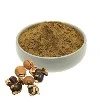
As a cornerstone of human diets across the globe, potatoes are celebrated for their versatility, nutritional value, and widespread availability. This raises an intriguing question for pet owners: Are potatoes and potato protein good for dogs as well? This detailed exploration delves into the suitability of potatoes as a nutritious component of a dog's diet, providing vital insights for those considering plant-based dietary options for their four-legged friends.
History of Use
Origins
The Inca Indians in Peru were the first to cultivate potatoes around 8,000 BC to 5,000 BC and they were only bought to Europe in the 1530's by the Spanish. They are now the most important non-cereal crop globally.
Are potato protein healthy for dogs?
Potato protein is recognized as one of the most valuable non-animal proteins due to its high level of digestibility and high content of essential amino acids. It not only has a balanced Amino Acid profile but potato protein also has a higher Essential Amino Acid (EAA) score than egg and casein.
It is excellent source of many important vitamins and minerals including iron, a high vitamin C content that promotes iron absorption. Also, a good source of vitamins B1, B3 and B6 and minerals such as potassium, phosphorus and magnesium, and contains folate, pantothenic acid and riboflavin. Potatoes are rich in antioxidant compounds like flavonoids, carotenoids and phenolic acids which neutralise potentially harmful molecules known as free radicals. When free radicals accumulate, they can increase the risk of chronic diseases like heart disease, diabetes and cancer.

Adoption into Canine Diets
The incorporation of potatoes into canine diets is a relatively recent innovation, coinciding with the evolution of commercial dog foods in the 20th century. Recognised for their carbohydrate content and hypoallergenic properties, potatoes serve as a vital ingredient in many dog foods, offering a gluten-free alternative to grains.
Nutritional Profile
Macro and Micronutrients
- Proteins: Potato protein is a high-grade, plant-based protein source for dogs, rich in essential amino acids crucial for muscle repair, growth, and overall health maintenance.
- Fibres: The dietary fibre in potatoes aids in regulating digestion, promoting bowel health, and supporting a healthy intestinal microbiome.
- Fats: Though inherently low in fats, potatoes can be paired with nutrient-dense, plant-based fats to create a balanced diet for dogs.
- Vitamins and Minerals: Potatoes are a powerhouse of nutrients, including vitamin C for immune function, vitamin B6 for brain health, potassium for heart health, magnesium for bone integrity, and iron for blood cell formation.
- Phytonutrient: Rich in antioxidants like carotenoids and flavonoids, potatoes offer anti-inflammatory and disease-preventative benefits, crucial for maintaining canine health.

Potato Protein Per 100g Nutrition Chart
Boiled, based on Rua potatoes. Serving size: 1 potato = 150g
| Average Quantity per serving |
% Daily intake per serve |
Average Quantity per 100g |
||
|---|---|---|---|---|
| Energy (kJ/Cal) | 470/112 | 5% | 313/75 | |
| Protein (g) | 3.1 | 6% | 2.2 | |
| Fat, total (g) | 0.1 | 0% | 0.1 | |
| - saturated (g) | 0.02 | 0% | 0.01 | |
| Carbohydrate (g) | 23.2 | 7% | 15.4 | |
| - sugars (g) | 0.5 | 1% | 0.3 | |
| Dietary fiber (g) | 2.6 | 9% | 1.7 | A source of Dietary Fibre |
| Sodium (mg) | 4 | 0% | 3 | |
| Vitamin C (mg) | 19 | 47% RDI* | 12.0 | A good source of Vitamin C |
| Niacin (mg) | 2.1 | 21% RDI* | 1.4 | A source of Niacin |
| Potassium (mg) | 726 | 484 | Contains Potassium |
Contribution to Dogs' Health and Wellbeing
The nutrients in potatoes contribute to various aspects of canine health, including muscle maintenance, joint support, energy provision, immune system enhancement, heart health, and disease prevention. The anti-inflammatory and antioxidant properties of phytonutrients in potatoes play a significant role in promoting overall health and longevity in dogs.
✔️In potato protein powder using low-temperature extraction, the activity of active ingredients remains;
✔️Potato protein powder is 100% soluble in water;
✔️Potato protein powder easy absorption;
✔️GMO status: potato protein powder is GMO-free;
✔️Irradiation: potato protein powder has not been irradiated;
✔️Allergen: potato protein powder does not contain any allergen;
✔️Additive: potato protein powder without the use of artificial preservatives, flavors, or colors.

Incorporating Potatoes into a Dog's Diet
Forms and Preparation
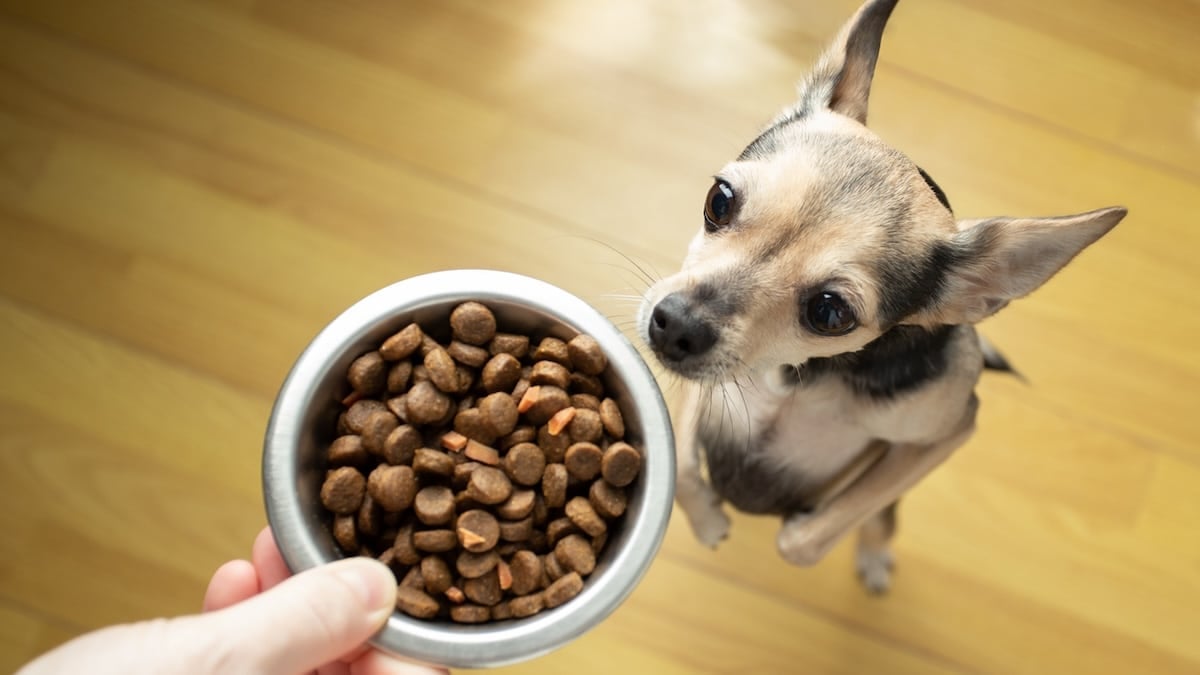
To ensure safety and nutritional value, potatoes should be served to dogs cooked (boiled or baked) without any added salts, seasonings, or oils. Commercial dog foods often include potato protein as a hypoallergenic protein source, suitable for dogs with sensitivities to common proteins.
Recommended Amounts
The appropriate quantity of potatoes in a dog's diet varies based on the dog's size, age, and health status. A veterinary nutritionist can provide tailored advice to avoid nutritional excesses or deficiencies.
Innovative Home-cooked Recipes
Incorporate cooked potatoes into homemade dog meals and treats as a healthy carbohydrate source, ensuring a well-rounded diet.
Environmental Impact
Sustainable Production
Potato cultivation is generally considered environmentally sustainable, requiring fewer resources than many other crops. This aspect makes potatoes an eco-friendly choice for inclusion in dog diets.
Contribution to Biodiversity
Sustainable potato farming practices contribute to agricultural biodiversity, enhancing soil health and ecosystem resilience.
10 Science Informed Reasons to Include Potato Protein in Your Dog's Diet:
Excellent Nutritional Value – Potato protein is an excellent source of several nutrients, including vitamin C, which acts as powerful antioxidant and iron absorption enhancer, and beneficial plant compounds, including phenolic acids and flavonoids, that can help prevent chronic diseases.
Excellent Amino Acid Score and Balance – Potato protein has a balanced and excellent amino acid score. Higher than other plant proteins and egg and casein, the standard bearers for animal proteins, whilst closely resembling human skeletal muscle protein.
Can Improve Blood Sugar Control – Potato protein has been shown to offer improved glycaemic and insulinemic responses than whey and rice protein, which is helpful in mitigating diabetes.
Naturally Gluten-Free – This makes it ideal for those who suffer from gluten-allergy or are looking to eat a gluten-free diet for other reasons.
May Help Inhibit Cancer Cells – Potatoes antioxidant compounds, particularly chlorogenic acid, have been shown to inhibit cancer cell proliferation.
Supports a Reduction in Inflammation – studies have confirmed the systemic anti-inflammatory effect of potato which reduces the incidence of diabetes, heart disease, cancer and arthritis.
Helps Repair Muscle Damage – Recent research showed that potato protein stimulated muscle protein synthesis both at rest and after exercise helping to retain or increase muscle mass.
Supports Weight Management and Satiety – studies show that potato protein increases satiety and provides a better weight-reducing effect than other plant proteins.
Supports Healthy Eyesight – Phytonutrients lutein, zeaxanthin, and violaxanthin are known to be beneficial for eyes. (14, 15, 16)
Low Environmental Impact – as a waste product in the production of potato starch, potato protein has low global warming potential and is considered a 'climate smart' crop.

Conclusion
Potatoes and potato protein can play a beneficial role in a dog's diet, offering a blend of essential nutrients that support health and well-being. As with any dietary change, the inclusion of potatoes should be approached with moderation and under the guidance of a veterinary professional to ensure it meets the unique nutritional needs of your dog. By incorporating potatoes thoughtfully, pet owners can enrich their dogs' diets with a nutritious, plant-based option that also supports environmental sustainability.