In pursuit of safer, more sustainable poultry production, the utilization of natural additives such as marigold flower extract powder has become increasingly popular. Extracted from the bright orange petals of Tagetes erecta (also referred to as African marigold), marigold flower extract is prized for its high concentration of lutein and zeaxanthin-two carotenoids recognized for their pigmentation and antioxidant capabilities.
This blog discusses the nutritional value, physiological impact, and performance improvement offered by marigold flower extract powder in poultry feed.

1. What Is Marigold Flower Extract Powder?
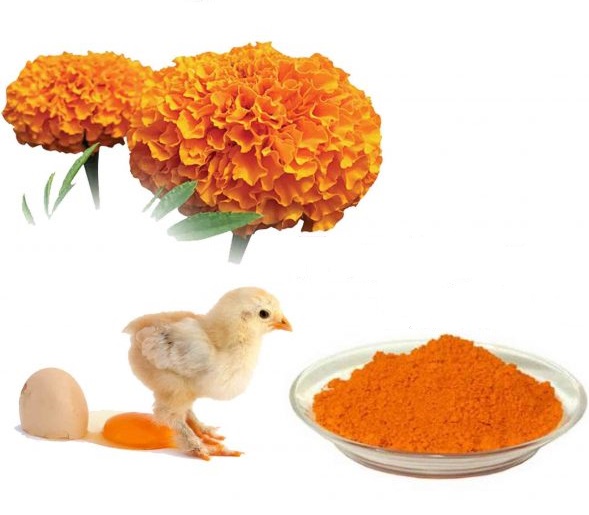
Marigold flower powder extract is made by drying and processing the flowers of Tagetes erecta, concentrating its strong natural pigments, particularly lutein and zeaxanthin. These xanthophylls are fat-soluble antioxidants for yellow to orange coloration in egg yolk and poultry skin. In addition to pigmentation, these carotenoids provide a number of health benefits that include vision support, immunity, and reduction in oxidative stress.

2. The Role of Lutein and Zeaxanthin in Poultry
Lutein and zeaxanthin are marigold flower extract's major bioactive compounds. These carotenoids:
Deepen pigmentation of skin, shanks, and egg yolks
Function as antioxidants that counteract free radicals
Promote eye health, protecting against cataracts and retinal damage
Improve immune response, particularly in broilers and layers subjected to stress
Are not produced by poultry and have to be derived from diet. Adding marigold extract guarantees birds get these important nutrients naturally.

3. Pigmentation and Consumer Preference
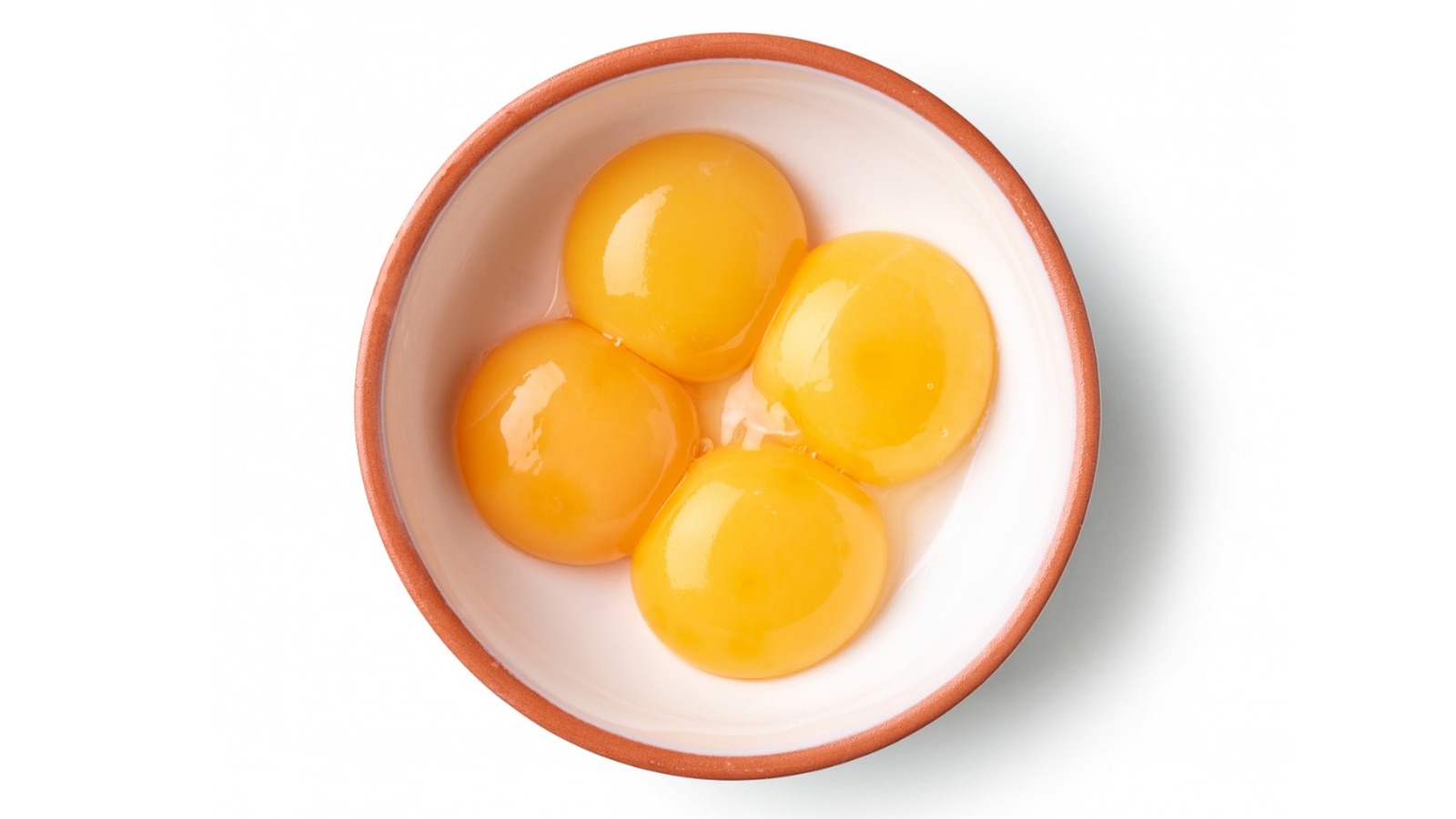
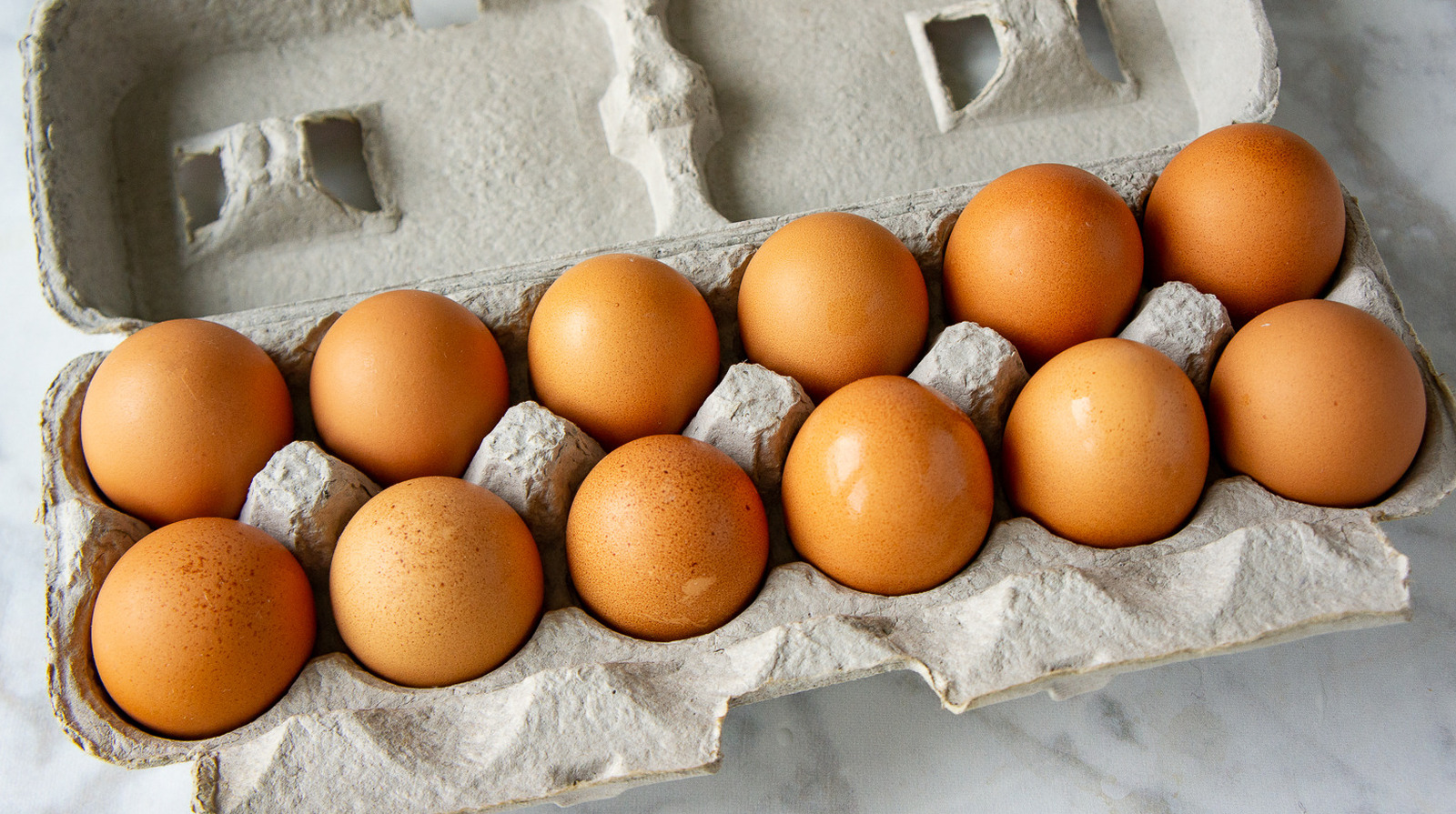
Skin color and egg yolk color are significant quality indicators for consumers. Golden-colored skin and yellow-colored yolks are usually thought to be indicators of freshness and health.
- Enhanced Egg Yolk Color: Research indicates that marigold supplementation has a marked effect on yolk color scores. For example, Galobart et al. (2004) illustrated that 15–30 mg/kg lutein enhanced yolk pigmentation in laying hens.
- Improved Broiler Skin Color: Pigmented skin enhances market value, particularly in markets such as Southeast Asia where skin color is a cultural desirable.
Employment of marigold extract powder offers a natural substitute for synthetic pigments such as canthaxanthin.
Reference

4. Antioxidant Effects and Immune Function
Lutein and zeaxanthin are powerful antioxidants. In poultry, oxidative stress due to high-density living, heat stress, and disease challenge can compromise performance and immunity.
- Oxidative Stress Reduction: Marigold extract reduces the neutralization of reactive oxygen species (ROS) in tissues, enhancing meat quality and preventing oxidative spoilage.
- Immune Modulation: Carotenoids stimulate antibody production and lymphocyte activity. Supplemented birds have exhibited enhanced resistance to pathogens such as E. coli and Salmonella.
5. Effects on Poultry Performance
A number of studies have shown that marigold extract supplementation enhances growth, feed conversion, and survival.
- Growth Performance: Addition to broiler diets at 0.5–1.0% enhances body weight gain and feed efficiency, perhaps through enhanced nutrient absorption and minimized oxidative damage.
- Egg Production: Laying hens supplemented with marigold extract exhibited enhanced laying rates and better shell quality.
- Meat Quality: Improved oxidative stability of breast and thigh meat has been reported, with increased shelf-life and decreased rancidity.

6. Eye Health and Visual Development
Lutein and zeaxanthin are deposited preferentially in the retina and lens. In chickens, these pigments enhance visual acuity and retinal protection-particularly in chicks and fowl reared under intense artificial lighting.
Macular Protection: Antagonizes photooxidative damage.
Chick Development: Supplementation in early life promotes retinal maturation and behavior of navigation, improving feeding efficiency.

7. Application Methods and Dosage
Inclusion Rates:
- Marigold flower extract is added to poultry diets at levels of 50–150 mg/kg based on the pigmentation level required and bird age.
Delivery Forms:
- It is incorporated in feed premixes, pellets, or as an additive powder.
Stability Considerations:
- Marigold extract must be kept in cool, dry storage conditions to maintain pigment stability. Encapsulated or stabilized products are ideal for extended feed storage.
8. Comparing Marigold with Synthetic Pigments
Though synthetic carotenoids such as apo-ester and canthaxanthin provide intense pigmentation, they do not provide the secondary nutritional benefits of natural colorants.
Safety: Marigold is GRAS (Generally Recognized As Safe) and has good tolerance.
Sustainability: Plant waste or plant-petals grown, so ecologically friendly.
Market Demand: Consumer choice for natural ingredients in meat and eggs supports marigold application.
9. Regulatory Approval and Safety
Marigold extract is cleared for use in animal feed as a coloring and nutritional supplement in most countries. It's free of toxic residues and doesn't require a withdrawal period.
- No reported toxicity even with increased doses.
- Does not disrupt antibiotic programs or vaccines.
- Compatible with probiotics, enzymes, and other additives.

10. Future Expectations and Research
With increased demand for natural feed additives in antibiotic-free poultry systems, marigold flower extract is not only promising for pigmentation but also as a biofunctional additive. Future research is investigating:
- Synergistic activity with vitamin E and selenium
- Microencapsulation for enhanced stability
- Application in organic and pasture systems

Conclusion
Marigold flower extract powder is not only a natural color, but a multibenefit feed additive that facilitates poultry pigmentation, antioxidant defense, immune system health, and performance. It is naturally sourced, with its efficacy proven, making it an excellent option for manufacturers looking to satisfy consumer trends for clean-label, high-value poultry products.
Whether you're developing feed for broilers, layers, or specialty birds, marigold extract can be a strategic inclusion to enhance bird health, product appearance, and market value.
References:
Galobart, J., Barroeta, A. C., et al. (2004). Poultry Science, 83(3), 512-520.
Surai, P. F. (2012). Journal of Animal Feed Science and Technology, 172(1-2), 1-19.
Sun, T., & Tanumihardjo, S. A. (2007). Journal of Food Science, 72(9), R107-R116.
Li, B., Vachali, P. P., & Bernstein, P. S. (2010). Photochem & Photobiol Sci, 9(11), 1418-1425.
Koutsos, E. A., & Klasing, K. C. (2001). Poultry Science, 80(3), 364-370.