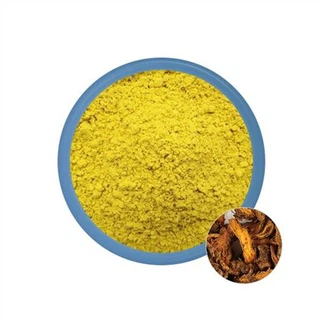
Modern pet nutrition is centered on functional ingredients that do not only support physical health but also emotional balance and behavior. The most promising compound here is Myo-Inositol, popularly called Vitamin B8. Not an officially established vitamin, Myo-Inositol is a critical ingredient in numerous physiological as well as neurological processes.
For cats-sensitive, emotionally complex animals-Myo-Inositol holds special significance, particularly in managing stress, glucose metabolism, and functioning of the nervous system. This article explores Myo-Inositol's use in feline health and behavior and the science behind its use in pet foods.

What Is Myo-Inositol?
Myo-Inositol is a naturally found carbocyclic sugar that is part of the cell membrane composition and an intracellular secondary messenger of cellular signaling. Myo-Inositol plays a role in the modulation of neurotransmitters such as serotonin and dopamine, influences insulin sensitivity, and helps in fat metabolism .
Although cats can synthesize some of the inositol endogenously, supplementation might be beneficial under stress, aging, metabolic disorder, or behavior disturbances.

Benefits of Myo Inositol (Vitamin B8) for Cats Health
1. Behavior and Emotional Support in Cats
Cats are typically affected by stress, environmental stimuli, and repetitive behaviors such as aggression or over-grooming. Research on animal models demonstrates that Myo-Inositol can act similarly to SSRIs (selective serotonin reuptake inhibitors) in enhancing serotonin action without the side effects of medication.
In humans, Myo-Inositol has been studied for anxiolytic use, especially in conditions like panic disorder and obsessive-compulsive disorder. In the animal kingdom, although research on the feline species is limited, Myo-Inositol is routinely combined with sedatives for its mood-stabilizing effect.
Anecdotal and preliminary data suggest it might:
- Reduce signs of anxiety or over-reactivity.
- Follow behavior modification in cats with aggression secondary to stress or compulsive licking.
- Helps cats adapt to environmental changes like moving to a new home or introducing new pets.
2. Supports Glucose Metabolism and Insulin Sensitivity
Diabetes mellitus Type 2 diabetes is increasingly common, particularly in overweight or elderly cats. Myo-Inositol plays a significant role in the insulin signaling cascade, facilitating glucose uptake and increasing insulin sensitivity.
In diabetic humans and rats, supplementation with Myo-Inositol improved glycemic control and insulin sensitivity. Although in cats, research is limited, its biochemical activity is cross-species. Hence, it can help:
- Regulate blood sugar in pre-diabetic or diabetic cats.
- Help facilitate metabolism with weight reduction or dietary modifications.
- Reduce inflammation that accompanies insulin resistance.
Veterinarians are presently examining Myo-Inositol as an adjunctive support in treating feline diabetes.
3. Promotes Skin and Coat Health
Myo-Inositol also participates in lipid metabolism and cell membrane function, making it useful to skin health. Myo-Inositol enhances the structural integrity of skin cells and possibly stabilizes sebum production.
Used in combination with other B-complex vitamins, Myo-Inositol can:
- Enhance coat luster and thickness.
- Support the skin barrier of cats with skin allergies or dry skin.
- Reduce inflammation from superficial skin irritation.
This makes it a valuable ingredient in dermato-supplements or skin diets.
4. Brain Function in Older Cats
As cats age, they may develop symptoms of feline cognitive dysfunction syndrome (CDS) such as disorientation, change of social behavior, and alterations in sleep patterns. Myo-Inositol is a key molecule of the phosphatidylinositol signaling pathway responsible for memory formation and interneuronal communication.
Evidence in aging humans and rodents suggests that inositol:
- Increases brain plasticity.
- Is protective against oxidative stress.
- May delay or reduce cognitive impairment.
Although study is required specifically on cats, its neuroprotective action is promising for preserving cognitive performance in older cats.
5. Liver Function and Lipid Control
Domestic cats are especially at risk from hepatic lipidosis, a potentially fatal syndrome of fat infiltration into the liver. Myo-Inositol promotes lipid transport and blocks triglyceride accumulation, perhaps minimizing the risk of fatty liver disease.
By enhancing lipid metabolism, it may:
- Bolster detoxification.
- Promote healthy liver enzyme function.
- Support recovery after anorexia or weight loss [9].

Is Myo-Inositol Safe for Cats?
Myo-Inositol is safe for use in animals provided it is given at proper dosages. It's a non-toxic, natural substance present in most everyday foods and is commonly used in pet-safe nutraceuticals. The FEEDAP Panel concluded, based on the free inositol concentrations found in commercial diets for pets, that inositol up to a total content of 3,000 mg free inositol/kg dry complete feed (88% dry matter) could be considered safe for dogs and cats.
No side effects were noted in animals at levels of supplementation that are generally considered normal, though veterinary guidance is recommended-especially if the cat has a long-standing illness or is taking medicine.
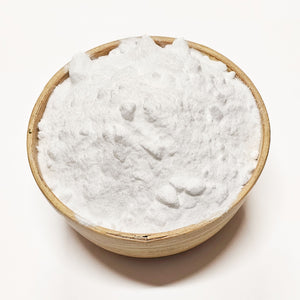
How to Supplement Myo-Inositol in Cats
Myo-Inositol exists in powder, capsule, or chewable tablet form and is usually included in:
- Calming supplements.
- Glucose support mixtures.
- Senior pet multivitamins.
- Skin and coat products.
Dosage should be based on your cat's health status, age, and weight. Always adhere to veterinary guidance or the manufacturer's dosage instructions.

Conclusion
Myo-Inositol (Vitamin B8) is an essential ingredient when it comes to feline behavior support as well as feline health support. Emotional balance as well as stress relief, glucose management, skin health, as well as cognitive support, it comes with a one-stop solution to the feline well-being.
Although more feline-specific research would be ideal, the supporting evidence in other animal and human studies is at hand to confirm its safety and effectiveness. To cat owners who seek to enhance the well-being of their pet-especially those with anxiety, aging, or metabolic disorders-Myo-Inositol can be a valuable addition to their nutritional toolkit.
References
Holub, B. J. (1986). Metabolism and function of myo-inositol and inositol phospholipids. Annual Review of Nutrition, 6, 563–597.
Levine, J. (1997). Controlled trials of inositol in psychiatry. European Neuropsychopharmacology, 7(2), 147–155.
Benjamin, J. et al. (1995). Double-blind, placebo-controlled, crossover trial of inositol treatment for panic disorder. American Journal of Psychiatry, 152(7), 1084–1086.
Croze, M. L., & Soulage, C. O. (2013). Potential role and therapeutic interests of myo-inositol in metabolic diseases. Biochimie, 95(10), 1811–1827.
Beemster, P. et al. (2002). Effects of myo-inositol on insulin signaling. European Journal of Clinical Investigation, 32(4), 362–368.
Levin, J., & Miller, R. (2011). A guide to nutraceuticals and dietary supplements in dermatology. Skin Therapy Letter, 16(5), 1–4.
Berridge, M. J. (1984). Inositol trisphosphate and diacylglycerol as second messengers. Biochemical Journal, 220(2), 345–360.
Gambi, F. et al. (2003). Inositol and its metabolites in the brain: their role in aging and Alzheimer's disease. Critical Reviews in Neurobiology, 15(3-4), 213–230.
Di Paolo, G., & De Camilli, P. (2006). Phosphoinositides in cell regulation and membrane dynamics. Nature, 443(7112), 651–657.